DbcultAccessing Vault...
Cult Review
Senior Film Conservator
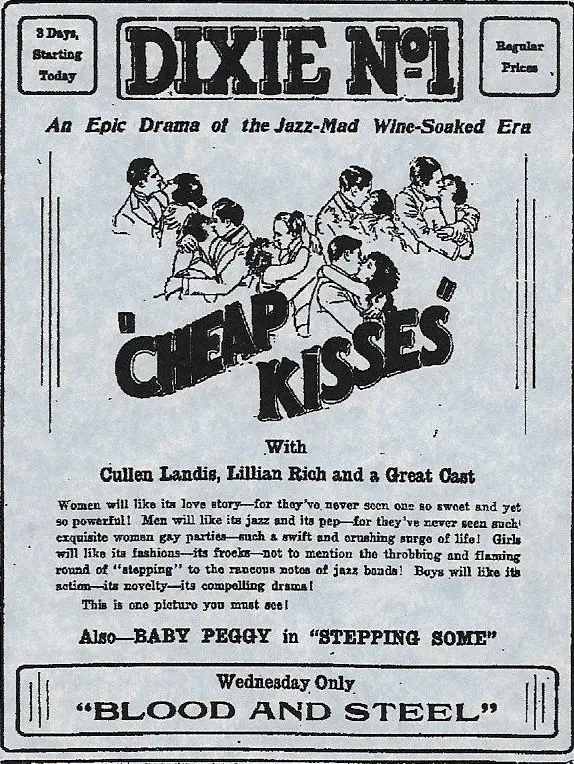
An Artistic Tango of Disillusionment and Desire
'Cheap Kisses' is a cinematic masterpiece that dances through the intricate tapestry of social class, artistic ambition, and the raw, unadulterated complexities of love. Bessie Eyton, Cullen Landis, Lillian Rich, and Tom Ricketts bring a depth and authenticity to their roles that vividly portray the characters' inner turmoil and external conflicts. The plot, penned by C. Gardner Sullivan, is a sophisticated exploration of the Dillinghams' abrupt reacceptance of Donald and Ardell, and the ensuing drama that unfolds.
The Social Stratification of Love and Art
Donald Dillingham’s decision to stay away from his family’s new social life is a choice that echoes the broader societal divide between the haves and the have-nots. His marriage to Ardell Kendall, a chorus girl, represents a bridge that both connects and separates them. The film masterfully captures the disapproval from his family and the subsequent invitation to his estate, where the Dillinghams see an opportunity to exploit Ardell's natural beauty for their own gain, inviting the sculptor Gustaf Borgstrom to use her as a model.
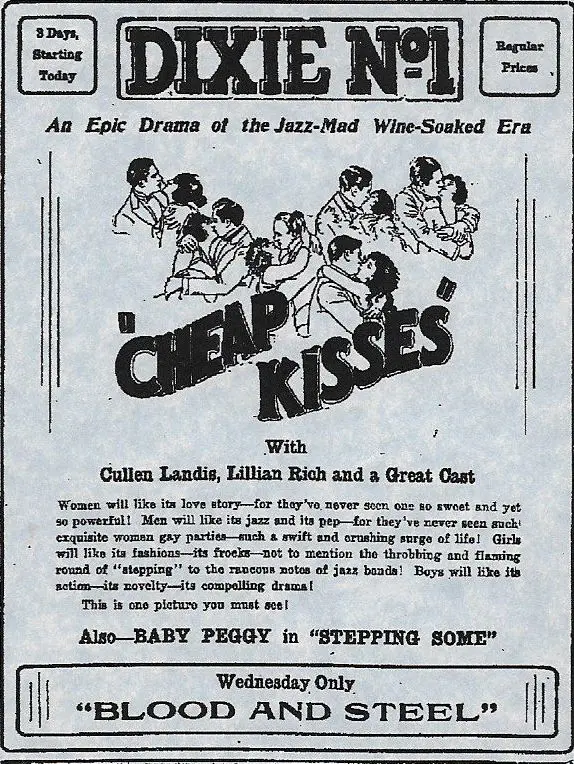
The juxtaposition of Donald's hedonistic lifestyle with the refined yet insincere social gatherings of his family sets the stage for a nuanced exploration of the value of art and love in a society that often devalues both. The film's exploration of class dynamics is further enhanced by the relationships between Donald and Maybelle Wescott, and Ardell's interactions with the Dillinghams, creating a rich, layered narrative.
The Intricate Dance of Consent and Exposure
The central conflict of the film revolves around Donald's secret relationship with Maybelle and Ardell's discovery of his infatuation with a chorus girl. Ardell, driven by a mixture of pride and a desire to protect her integrity, threatens to expose Donald’s secret if he doesn’t pay off the Dillinghams. This moment of tension is a critical turning point, marking a shift in the dynamics of their relationship and the broader narrative.
The film’s handling of consent and exposure is particularly noteworthy, as it navigates the ethical waters of artistic exploitation and personal integrity. Ardell's decision to reveal the bargain and Donald's subsequent anger and departure underscore the film's exploration of the delicate balance between artistic and personal desires.

A Poignant Reunion and the Aftermath
The film concludes with a poignant reunion at the Dillinghams' honeymoon cottage, where Ardell, having been the victim of Donald's manipulations, finds herself alone and vulnerable. Her discovery of Donald's remorseful presence offers a bittersweet resolution, one that underscores the film's themes of redemption and the enduring power of love.
The film's ending is a masterful blend of drama and romance, leaving audiences to ponder the complexities of the characters' journeys and the broader implications of their choices. The characters' evolution from initial conflict to a more nuanced understanding of each other provides a rich, emotionally resonant conclusion.
For those interested in similar narratives, 'Cheap Kisses' shares thematic elements with films like 'Snobs' and 'The Wood Nymph,' both of which delve into the intricacies of social class and personal relationships. However, 'Cheap Kisses' stands out with its deeper exploration of artistic integrity and the personal costs of fame and fortune.
The film's artistic value is further enhanced by its cinematography and direction, which effectively capture the contrasting worlds of the Dillinghams and Ardell's life. The performances, particularly by Bessie Eyton and Cullen Landis, add depth to the characters, making their journeys feel authentic and relatable.
'Cheap Kisses' is a captivating film that explores the intricate dynamics of love, social class, and artistic ambition. Its rich character development and nuanced exploration of ethical dilemmas make it a must-watch for anyone interested in the intersection of personal and social narratives. The film’s conclusion, while bittersweet, leaves a lasting impact, prompting viewers to reflect on the complexities of human relationships and the choices that define them.

IMDb 4.5
1937
Community
Log in to comment.