DbcultAccessing Vault...
3.6/10
Senior Film Conservator
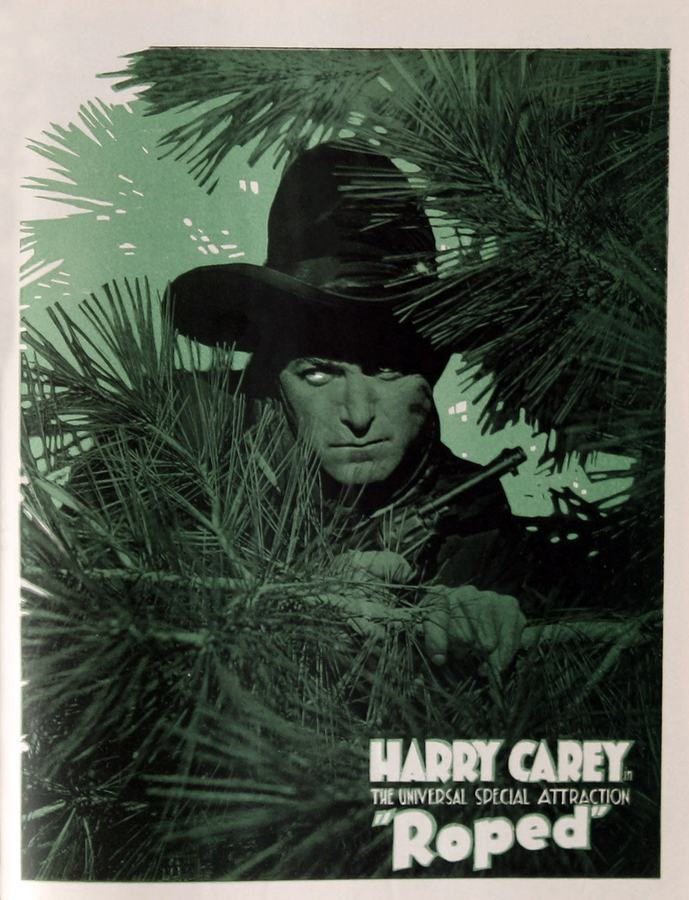
A definitive 3.6/10 rating for a film that redefined the boundaries of cult cinema. Roped remains a cornerstone of transgressive art.
Stepping back into the cinematic annals of 1919, one encounters a peculiar charm in films like Roped, a silent Western that, on its surface, appears to be a straightforward tale of frontier life, yet subtly delves into the complexities of human connection and the unexpected turns of fate. Directed with a keen eye for both expansive landscapes and intimate human drama, this feature showcases Harry Carey in a role that perfectly encapsulates his quintessential screen persona: the rugged individualist, seemingly self-sufficient, yet harboring a latent yearning for companionship. The premise itself is a delightful concoction of practicality and misguided altruism, setting the stage for a narrative that, while perhaps quaint by modern standards, resonates with a timeless appeal concerning the search for belonging.
At the heart of Roped lies Cheyenne Harry, portrayed with characteristic stoicism and understated charisma by Harry Carey. Harry is a ranch owner of considerable affluence, his domain stretching as far as the eye can see, a testament to his industrious spirit and mastery over the untamed West. Yet, even a man of such formidable stature cannot escape the mundane realities of daily life. His ranch, while a beacon of enterprise, conspicuously lacks the comforting touch of domestic order. This seemingly minor inconvenience sparks a pragmatic decision: the need for a housekeeper. It’s a logical, almost administrative, resolve from a man accustomed to addressing problems with direct, actionable solutions. However, his loyal, if somewhat overzealous, cowboy contingent perceives this need through a decidedly different lens. For them, Harry’s prosperity and patriarchal standing demand not merely a tidy home, but a wife, a true partner to share his vast empire and provide the emotional ballast they believe he unknowingly lacks. This divergence in perspective forms the comedic and romantic fulcrum of the entire film, propelling the plot forward with an endearing blend of sincerity and well-intentioned meddling.
The cowboys’ audacious initiative to place an advertisement in an Eastern newspaper is a stroke of narrative genius by writer Eugene B. Lewis. It immediately establishes a dramatic contrast between the rugged, unsophisticated world of the Western ranch and the presumably more refined, perhaps even sheltered, existence of an Eastern lady. This cultural clash is a well-trodden path in Westerns, but Roped navigates it with a lightness of touch that prevents it from descending into caricature. The expectation of a demure, perhaps even delicate, urbanite arriving in the dusty, masculine environment of a working ranch promises both humor and genuine emotional exploration. It’s a premise that, while simple, allows for a rich tapestry of character interactions and situational comedy, making us ponder the societal expectations placed upon men and women in different geographical and cultural contexts of early 20th-century America.
Harry Carey’s portrayal of Cheyenne Harry is, as expected, a masterclass in silent film acting. He communicates volumes with a subtle shift in his gaze, a slight adjustment of his Stetson, or a wry, almost imperceptible smile. His character is not a caricature of the rough-and-tumble cowboy, but a nuanced individual capable of both fierce independence and surprising tenderness. Carey imbues Harry with an inherent decency that makes his predicament—being unwittingly "roped" into a matrimonial search—all the more engaging. His expressions of bewilderment, annoyance, and eventual, grudging acceptance are perfectly calibrated, drawing the audience into his internal world without the need for spoken dialogue. This ability to convey complex emotions through physical presence alone is why Carey remained such a beloved and enduring figure in early cinema. One might draw parallels to his contemporaries, whose stoic yet expressive performances often defined the nascent genre. For instance, the quiet dignity and moral compass evident in Carey’s work can be seen as a precursor to the more formalized Western heroes, much like the archetypes explored in films such as Udenfor loven, where individual integrity is paramount against a lawless backdrop.
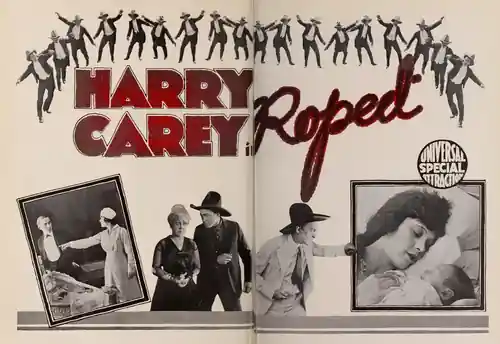
His dynamic with Neva Gerber, who plays the woman who answers the advertisement, is particularly compelling. Gerber, a prolific actress of the era, brings a delicate yet resilient quality to her character, ensuring she is not merely a passive object of the cowboys' scheme but an active participant in her own destiny. Her journey from the perceived comfort of the East to the rugged challenges of the West is depicted with a believable blend of trepidation and burgeoning strength. The chemistry between Carey and Gerber, while understated, is palpable, building gradually as their characters navigate the awkwardness of their arranged introduction and the subsequent trials of ranch life. It’s a testament to their skill that a relationship born out of such an unconventional premise feels genuinely earned by the film's conclusion.
The supporting cast, including Arthur Shirley, J. Farrell MacDonald, and Mollie McConnell, contributes significantly to the film's warmth and humor. The cowboys, in particular, are not just background figures; their collective mischief and unwavering loyalty to Harry provide much of the film’s comedic relief and narrative impetus. Their well-intentioned meddling, though initially a source of exasperation for Harry, ultimately serves to highlight his inherent goodness and their deep affection for him. J. Farrell MacDonald, a familiar face in many silent films, brings his characteristic blend of gruffness and good humor to his role, anchoring the cowboy ensemble with a recognizable presence.
Eugene B. Lewis, as the writer, crafts a narrative that, despite its simplicity, is rich in character and situational irony. The plot, while centered on a romantic quest, cleverly uses this framework to explore themes of independence, community, and the surprising ways in which life can deviate from one's carefully laid plans. Lewis's script avoids saccharine sentimentality, instead opting for a more grounded, albeit romanticized, portrayal of frontier life. The humor arises naturally from the characters' personalities and the absurdities of their situation, rather than relying on broad slapstick. This nuanced approach to storytelling is a hallmark of well-crafted silent cinema, allowing the visual medium to carry the emotional weight. The narrative structure, in its exploration of unconventional relationships and societal pressures, echoes the dramatic undercurrents found in films like Az ördög, which often delved into the moral quandaries and personal struggles of its protagonists, albeit in a different genre.
The direction of Roped, while not overtly flashy, is remarkably effective. The cinematography captures the sweeping grandeur of the Western landscape, contrasting it beautifully with the more intimate moments of character interaction. The use of natural light and expansive vistas grounds the film in a tangible reality, even as the plot veers into romantic comedy territory. Pacing is crucial in silent films, and Roped maintains a steady, engaging rhythm, allowing scenes to unfold organically without feeling rushed or prolonged. The visual storytelling is clear and concise, a testament to the filmmakers' understanding of the medium's unique demands.
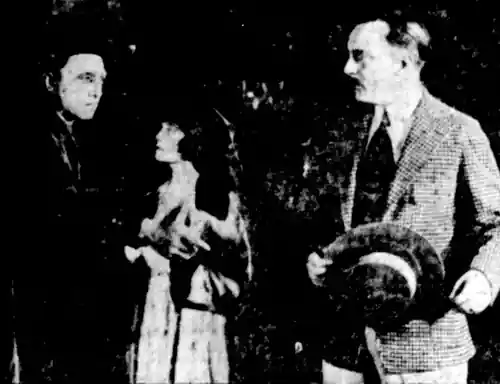
Beyond the immediate plot, Roped offers subtle commentary on the evolving roles of women in society and the changing dynamics of the American West. The arrival of an "Eastern" woman into a decidedly masculine environment forces a re-evaluation of gender expectations, both for the characters within the film and, by extension, for the audience. Her initial vulnerability quickly gives way to a quiet strength, demonstrating an adaptability that challenges the preconceived notions of what a woman's place might be. This theme of resilience and self-discovery for female characters was a recurring motif in early cinema, often explored in a variety of contexts, from the spirited independence of characters in Pots-and-Pans Peggy to the more dramatic journeys seen in The Heart of Nora Flynn.
The film also touches upon the concept of community and chosen family. The cowboys, despite their initial meddling, genuinely care for Harry and believe they are acting in his best interest. Their collective effort to find him a wife is an expression of their camaraderie and a desire for his happiness, even if their methods are unconventional. This sense of communal bonding and mutual support is a powerful undercurrent, reminding us that even the most self-reliant individuals benefit from the care and concern of others. This ethos of collective well-being, even when expressed through quirky means, is a recurring element in tales of the frontier, where survival often depended on cooperation.
Viewing Roped today is not merely an exercise in historical appreciation; it is an opportunity to connect with a form of storytelling that relies on visual eloquence and the power of suggestion. The absence of spoken dialogue forces a heightened awareness of body language, facial expressions, and cinematic composition. The intertitles, while providing necessary exposition, are sparingly used, allowing the performances and imagery to convey the bulk of the narrative. This immersive quality is what makes silent films, even those from over a century ago, capable of captivating modern audiences. The artistic choices made in Roped, from the framing of vast landscapes to the close-ups of Carey's expressive face, demonstrate a sophisticated understanding of cinematic language that was rapidly evolving during this period.
Comparisons to other films of the era reveal Roped's place within a broader cinematic landscape. While it shares the Western genre with many of its contemporaries, its focus on domestic comedy and character-driven romance sets it apart from more action-oriented Westerns. The film's gentle humor and exploration of personal relationships align it more closely with the narrative subtleties found in dramas like Her Decision or even the social observations of films such as The Idol of the Stage, which, despite differing settings, often examined the intricacies of human choice and consequence. It avoids the darker undertones of films like Satanas or the stark realities sometimes depicted in The Craving, opting instead for a lighter, more optimistic outlook on life's challenges.
The film's exploration of identity and finding one's place, even if by accident, resonates strongly. The woman who answers the ad is not merely seeking a husband; she is seeking a new life, an escape, or perhaps simply an adventure. This theme of migration and reinvention was particularly potent in America during this period, as people moved across the country in search of opportunities. Her journey, therefore, is not just geographical but existential, mirroring the quests for self-discovery seen in narratives like Where Is My Father?, where characters are often grappling with their origins and destinations.
Ultimately, Roped stands as a charming, well-executed example of early Western cinema, distinguished by its endearing premise, strong performances, and intelligent script. It offers a window into the narrative sensibilities of its time, showcasing how universal themes of love, companionship, and belonging were explored through the unique artistic language of silent film. For enthusiasts of early cinema and Westerns alike, it remains a delightful watch, a testament to the enduring power of simple, human stories told with skill and heart. The film doesn't aim for grand philosophical statements like A béke útja, nor does it delve into the shadowy underworlds seen in Das Mädchen aus der Opiumhöhle or the dramatic personal struggles of Az utolsó éjszaka. Instead, it finds its strength in the everyday, in the humor and warmth of human interaction, and in the quiet courage required to embrace the unexpected. Its charm is subtle but pervasive, leaving a lasting impression of a simpler era, yet one grappling with timeless human desires. Its light touch and optimistic resolution are a refreshing contrast to the more somber or intense narratives of films such as The Hater of Men or the playful trickery of Miss Mischief Maker, carving out its own niche as a feel-good romantic Western that continues to entertain and endear. The elegance of its narrative and the compelling performances, particularly from Carey and Gerber, solidify its place as more than just a historical artifact; it is a genuinely enjoyable piece of filmmaking that transcends its era.
IMDb 5.8
1912
Community
Log in to comment.