DbcultAccessing Vault...
Cult Review
Senior Film Conservator
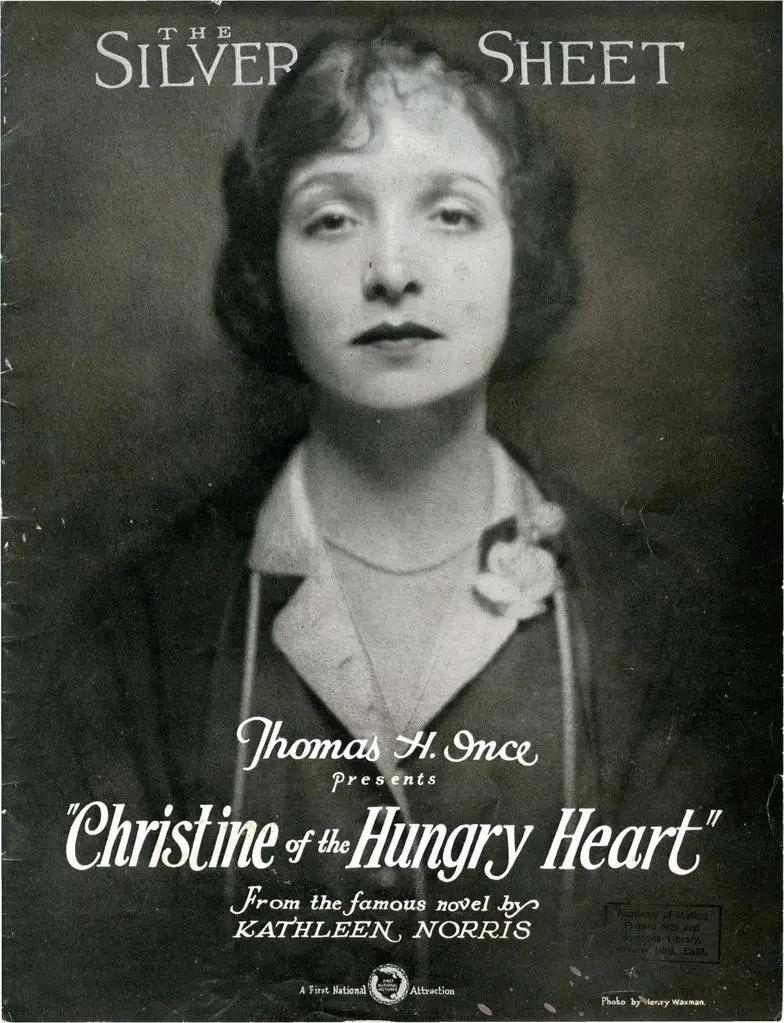
In the cinematic realm of silent films, Christine of the Hungry Heart (1924) emerges as a poignant exploration of love, neglect, and redemption. Directed by an unknown director and penned by Kathleen Norris and Bradley King, this movie unravels the complex narrative of Christine Knight, a woman desperate for affection in a world that seems to have abandoned her.
Christine's tumultuous journey commences with her marriage to Stuart, an alcoholic whose addiction precipitates her quest for solace. Her decision to divorce Stuart and marry Dr. Alan Monteagle appears to offer a respite from her woes, and the couple is blessed with a son, Jeffy. However, as Without Evidence and Ludzie bez jutra might suggest, the pursuit of happiness is often an elusive endeavor.
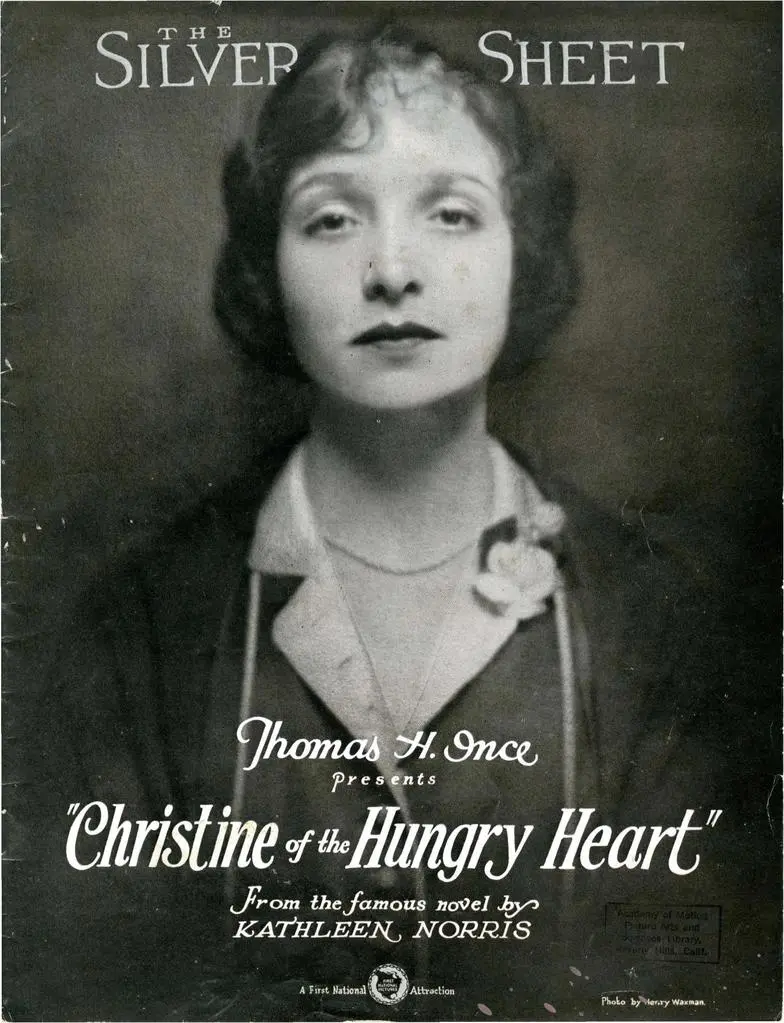
As Alan's professional obligations increasingly supersede his familial responsibilities, Christine finds solace in the companionship of Ivan Vianney, an author. This development precipitates a familial crisis, with Christine and Jeffy leaving Alan for Ivan. Yet, in a surprising turn of events, Alan regains custody of Jeffy, prompting Christine to reevaluate her priorities.
The film's portrayal of Christine's relationships is reminiscent of Die toten Augen and The Shoes That Danced, which also explore themes of love, loss, and longing. However, Christine of the Hungry Heart distinguishes itself through its nuanced characterization and poignant climax.
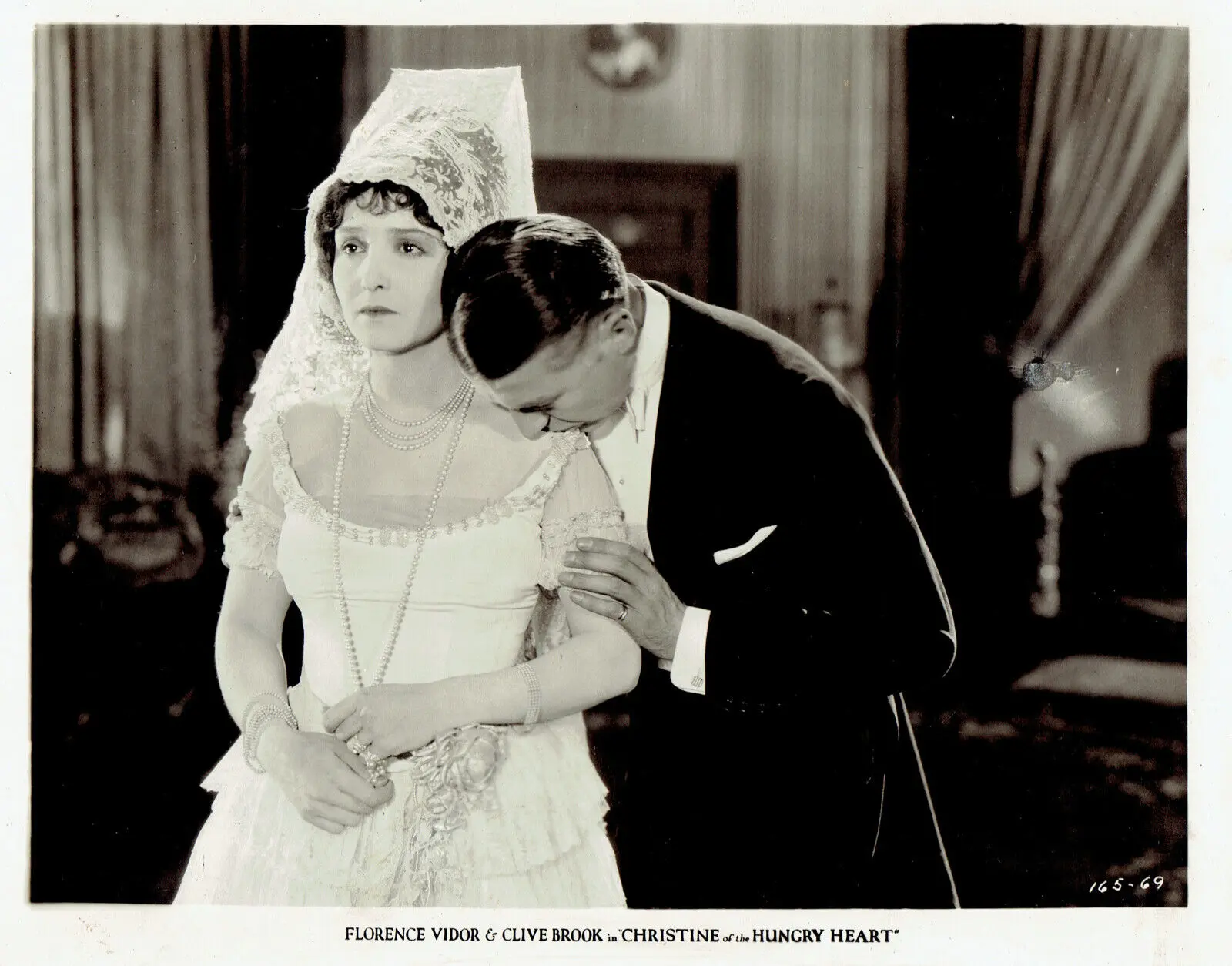
In a climactic sequence of events, Christine encounters her estranged husband Stuart in a state of desperation. Her decision to care for him serves as a testament to her enduring compassion, even in the face of adversity. The film's conclusion, wherein Alan and Jeffy persuade Christine to reunite with them just before Stuart's demise, is both heart-wrenching and redemptive.
The performances of the cast, including Tommy Hicks, Dorothy Brock, and Ian Keith, are noteworthy, bringing depth and complexity to the film's narrative. Their portrayals serve as a poignant reminder of the human condition, replete with its frailties and vulnerabilities.
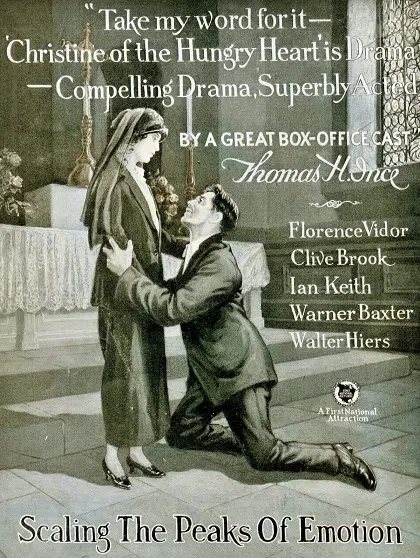
Upon reflection, Christine of the Hungry Heart emerges as a masterpiece of silent cinema, its themes of love, neglect, and redemption continuing to resonate with audiences today. For those interested in exploring the film's historical context, comparisons with The Eternal Sin, Her Own People, and A Quiet Street may prove enlightening.
The film's cinematography and direction are equally impressive, capturing the essence of the Roaring Twenties. As Marie, Queen of Rumania and Breaking Home Ties demonstrate, the 1920s were a transformative period for cinema, with filmmakers pushing the boundaries of storytelling and artistic expression.
In conclusion, Christine of the Hungry Heart is a must-see for aficionados of silent cinema, offering a poignant exploration of the human condition. Its themes of love, loss, and redemption continue to resonate with audiences today, making it a timeless classic that warrants continued recognition and appreciation.
The film's influence can be seen in later works, such as The Sunny South or The Whirlwind of Fate and The New Moon. As a testament to its enduring legacy, Christine of the Hungry Heart remains an essential viewing experience for film enthusiasts and scholars alike.
Ultimately, Christine of the Hungry Heart serves as a poignant reminder of the power of cinema to transcend time and circumstance. Its exploration of the human condition, replete with its frailties and vulnerabilities, continues to captivate audiences, making it a true masterpiece of silent cinema.
IMDb —
1933
Community
Log in to comment.