DbcultAccessing Vault...
7/10
Senior Film Conservator
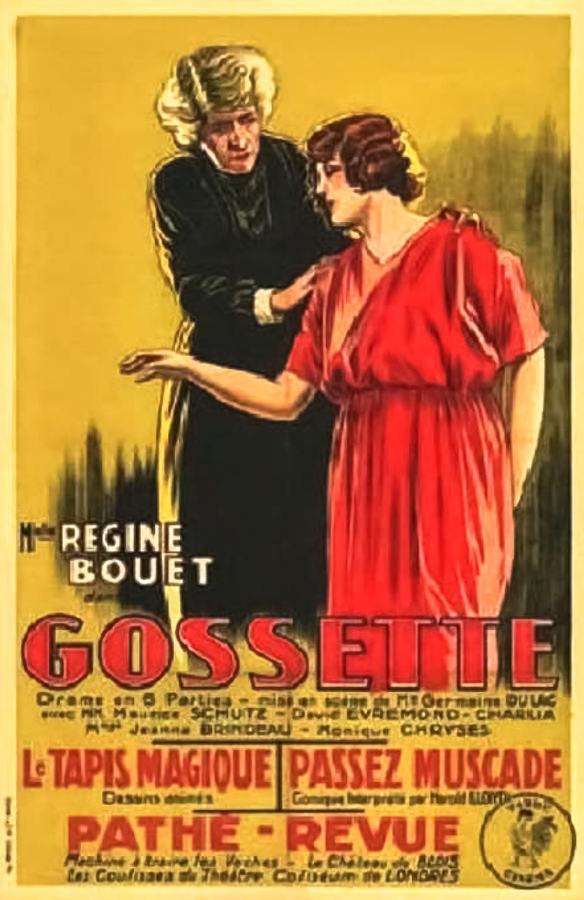
A definitive 7/10 rating for a film that redefined the boundaries of cult cinema. Gossette remains a cornerstone of transgressive art.
To witness Gossette (1923) is to step into a temporal rift where the conventions of the early French cine-roman are simultaneously honored and subverted. While the silent era was saturated with tales of damsels in distress, Charles Vayre’s production distinguishes itself through an audacious commitment to subjectivity. Unlike the thrill-seeking mechanics found in Sure-Fire Flint, which relies on the externalized bravado of its lead, Gossette internalizes the action, making the psychological state of the kidnapped heroine the central axis upon which the entire cinematic apparatus rotates.
The film’s narrative density is staggering. We are not merely watching a kidnapping; we are experiencing the erosion of a woman’s social reality. The casting of Régine Bouet provides the film with its heartbeat. Her performance eschews the histrionics often associated with the period, opting instead for a subdued, wide-eyed terror that feels remarkably modern. In many ways, this focus on the isolated female perspective prefigures the tension found in contemporary thrillers like Hush, though Gossette operates within a much more expansive, episodic framework that allows for a deeper immersion into her ordeal.
The cinematography in Gossette is a masterclass in the use of chiaroscuro. The French silent tradition often flirted with Impressionism, but here we see a lean toward a proto-noir aesthetic. The interiors are cavernous, dripping with a palpable sense of dread that mirrors the protagonist's disorientation. When compared to the more straightforward visual language of In the Hands of the Law, Gossette feels like a dark poem. Every shadow cast by Maurice Schutz or Jean d'Yd feels intentional, a visual metaphor for the encroaching walls of Gossette's prison.
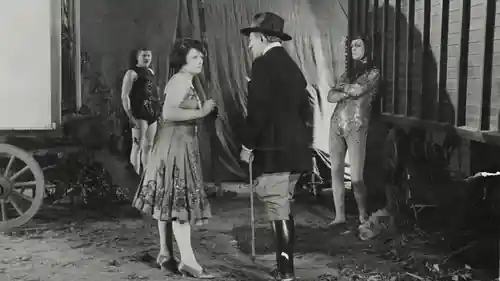
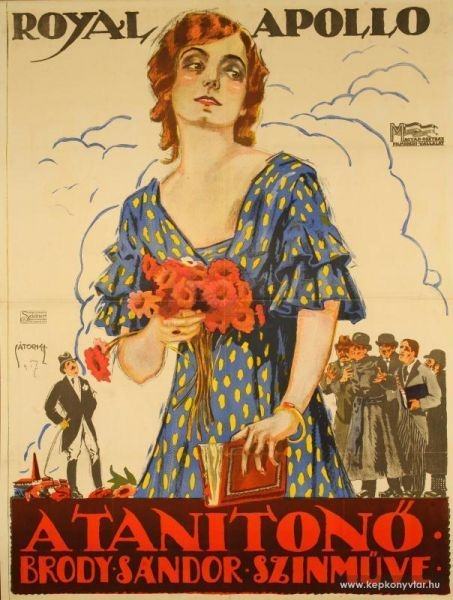
The pacing of the serial format allows for a slow-burn escalation of stakes. While a film like Dead Men Tell No Tales might rush toward its climactic revelations, Gossette lingers in the quiet moments of captivity. It explores the mundane horrors of being stolen—the ticking of a clock, the sound of footsteps outside a locked door, the way light filters through a barred window. This attention to detail elevates the work from a mere potboiler to a significant piece of visual art, much like the atmospheric depth seen in A napraforgós hölgy.
The supporting cast provides a textured backdrop to the heroine's struggle. Bernard Valard and Mario Nasthasio inhabit their roles with a gravity that suggests a world far larger than the frame. There is a sense of history behind these characters, a feeling that they existed long before the camera started rolling and will continue their nefarious or noble deeds long after the final reel. This world-building is reminiscent of the intricate character dynamics in Monte Carlo, where the setting itself becomes a character.
Special mention must be made of Madeleine Guitty and Jeanne Brindeau. Their presence adds a layer of domestic complexity to the thriller elements. In many silent films, female characters are relegated to the roles of victim or vamp, but in Gossette, there is a spectrum of femininity that feels authentic to the era's shifting social dynamics. This nuance is often missing in more lighthearted fare like Playmates or A Stitch in Time, which prioritize gag-based or sentimental narratives over psychological realism.
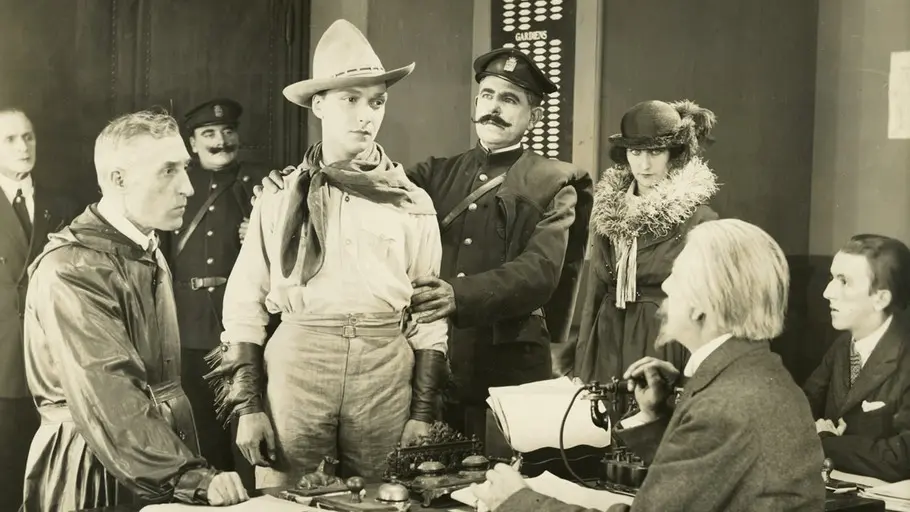
The cine-roman was a unique beast—a hybrid of literature and cinema designed to be consumed in installments. In the hands of Charles Vayre, this format becomes an engine for empathy. By breaking the story into chapters, the audience is forced to live with Gossette's uncertainty for extended periods. We are left on cliffhangers that are not just physical—will she escape the room?—but emotional—will she maintain her sanity? This differs significantly from the episodic nature of Boots and Saddles, where the resolution is usually swift and heroic.
Instead, Gossette offers a more grueling journey. It shares a certain thematic DNA with Conflict, particularly in how it pits the individual against overwhelming systemic or criminal forces. However, Gossette remains more intimate, never losing sight of the heroine's face. The camera returns to her eyes repeatedly, using them as a mirror for the viewer’s own anxiety. It is a sophisticated use of the medium that belies the film's age.
From a technical standpoint, the film utilizes innovative editing techniques to simulate Gossette's fractured perception. Rapid cuts during moments of high stress contrast with long, agonizing takes during her periods of isolation. This creates a rhythmic experience that is far more advanced than the static compositions found in A Regiment of Two or the somewhat theatrical staging of Sirens of the Sea. Vayre understands that the camera is not just a recording device but a tool for emotional manipulation.
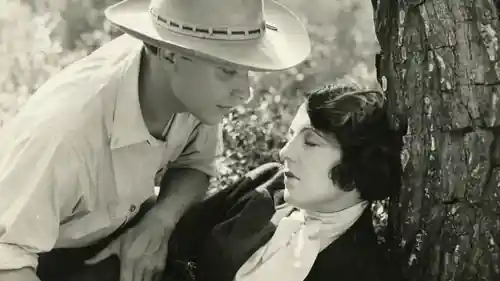
The production design also deserves accolades. The locations range from the gritty urban underbelly to the decaying opulence of rural estates, providing a visual shorthand for the class tensions bubbling beneath the surface of the plot. Like Sunshine Alley, the film uses its environment to comment on the social status of its characters, but it does so with a much darker, more cynical edge. There is no easy sunshine here; even the daylit scenes feel heavy with the threat of the coming night.
As we look back at Gossette through the lens of modern film history, its importance as a precursor to the psychological thriller cannot be overstated. It manages to balance the populist demands of the serial format with an avant-garde sensibility that prioritizes the internal life of a woman. It doesn't treat Gossette as a prize to be won by a hero, as one might see in As Men Love, but as an active participant in her own survival, even when her actions are limited by the physical walls of her cell.
The film’s conclusion, while satisfying the requirements of the genre, leaves a lingering sense of melancholy. Like The Ghosts of Yesterday, Gossette acknowledges that trauma leaves a mark that cannot be easily erased by a happy ending. The heroine who emerges from the ordeal is not the same woman who entered it, and the film respects the audience enough to sit with that realization.
In the vast landscape of 1920s cinema, Gossette stands as a towering achievement of subjective storytelling. It is a film that demands to be rediscovered, not just as a historical curiosity, but as a vibrant, breathing piece of art that still has the power to unsettle and provoke. Its use of color (in modern restorations) and shadow, its complex performances, and its unwavering focus on the female experience make it a mandatory watch for anyone interested in the evolution of cinematic language.
By eschewing the simple thrills of its contemporaries and diving deep into the murky waters of the human psyche, Charles Vayre created something timeless. Gossette is more than a serial; it is a testament to the enduring power of the individual spirit in the face of overwhelming darkness. It is, quite simply, a masterpiece of the silent era that continues to resonate with the same intensity it possessed over a century ago.
IMDb 5.3
1932
Community
Log in to comment.