DbcultAccessing Vault...
6.9/10
Senior Film Conservator
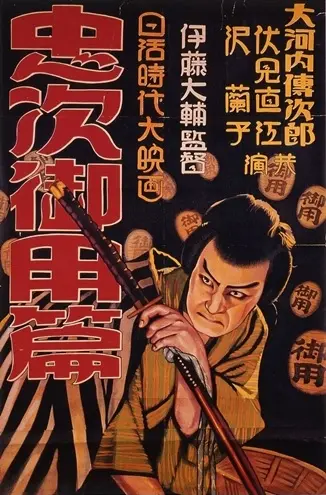
A definitive 6.9/10 rating for a film that redefined the boundaries of cult cinema. Chuji's Travel Diary part 3 remains a cornerstone of transgressive art.
Is "Chuji's Travel Diary part 3" worth watching today? Short answer: yes, absolutely, especially for those who appreciate the foundational artistry of Japanese cinema and narratives that dare to question societal norms. This film is a profound experience for cinephiles, historians, and anyone seeking a compelling character study wrapped in period drama. However, it might not be for viewers accustomed to modern pacing or those unfamiliar with the cultural nuances of early 20th-century Japanese storytelling.
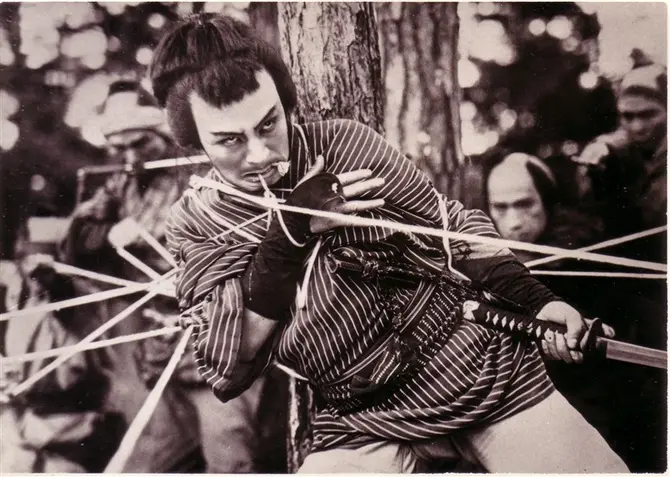
This film works because of its unflinching portrayal of social injustice, elevated by Daisuke Itô’s visionary direction and a cast that imbues historical figures with raw, relatable humanity. The thematic core of individual defiance against an oppressive system resonates powerfully, even a century later. It’s a narrative that feels both epic and intimately personal.
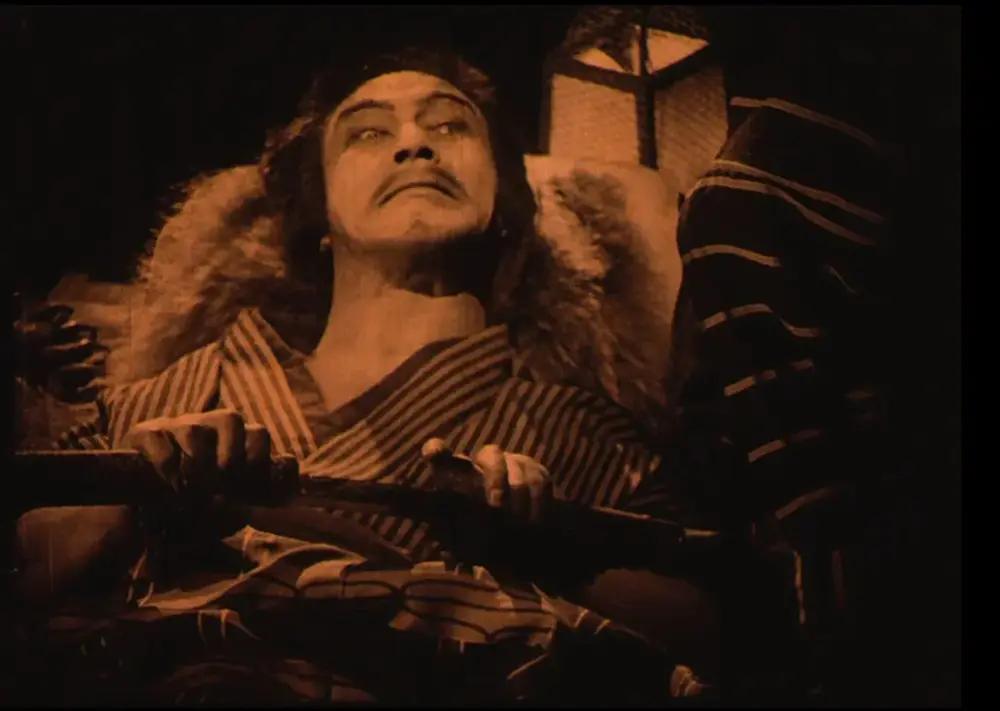
This film fails because its deliberate, sometimes slow, pacing can be a barrier for contemporary audiences accustomed to faster cuts and more immediate gratification. The narrative, while rich, occasionally relies on implied cultural context that modern viewers might miss without prior knowledge, potentially diminishing its full impact.
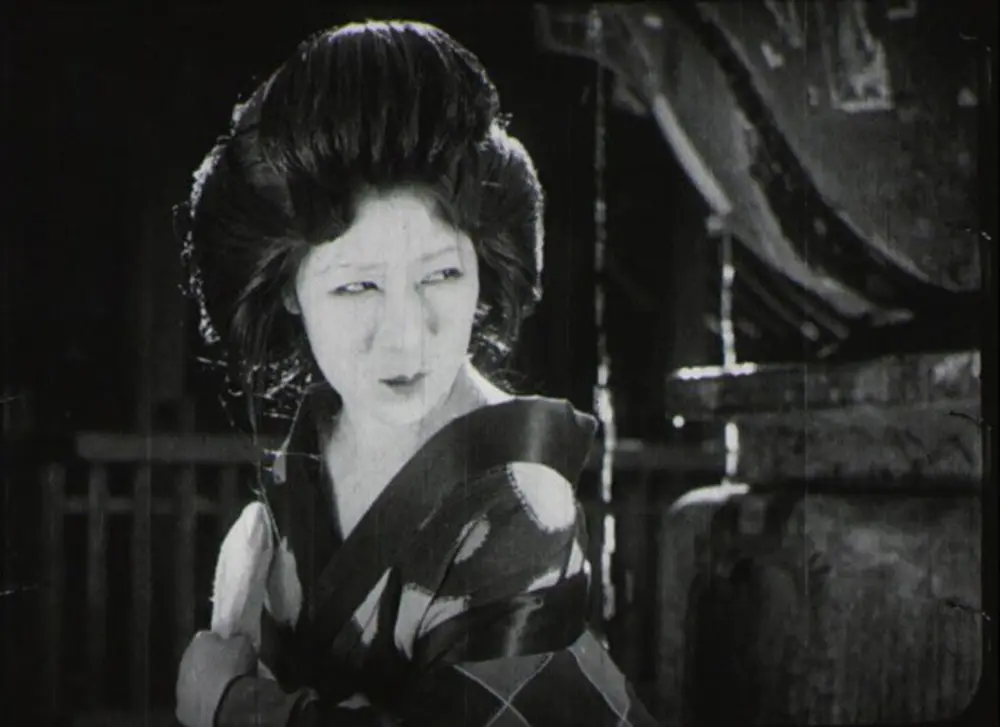
You should watch it if you are a fan of classic Japanese cinema, historical dramas with strong social commentary, or are interested in the evolution of filmmaking as an art form. It’s a vital piece of cinematic history that offers deep insights into human nature and societal struggle.
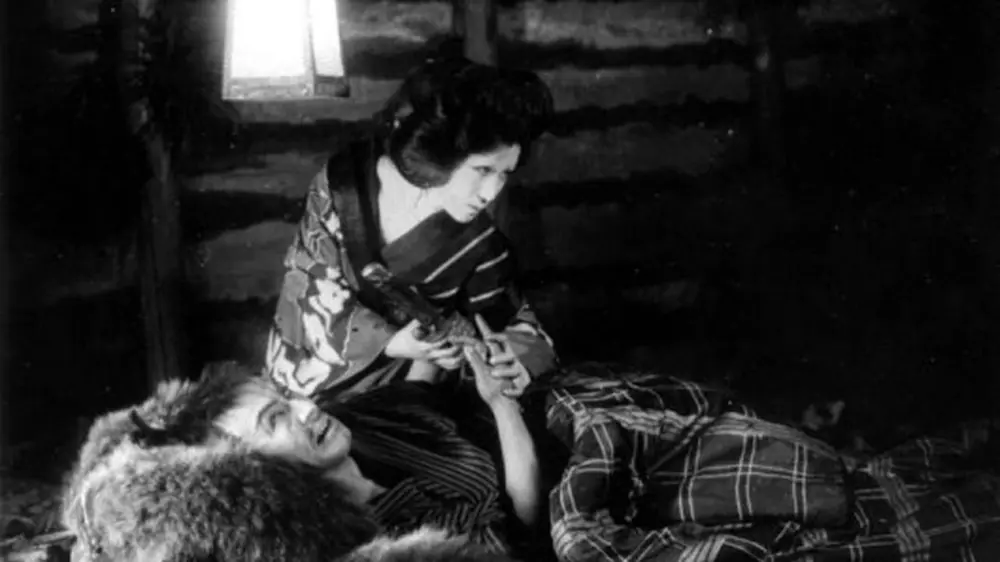
Daisuke Itô’s "Chuji’s Travel Diary part 3," subtitled "The