DbcultAccessing Vault...
Cult Review
Senior Film Conservator
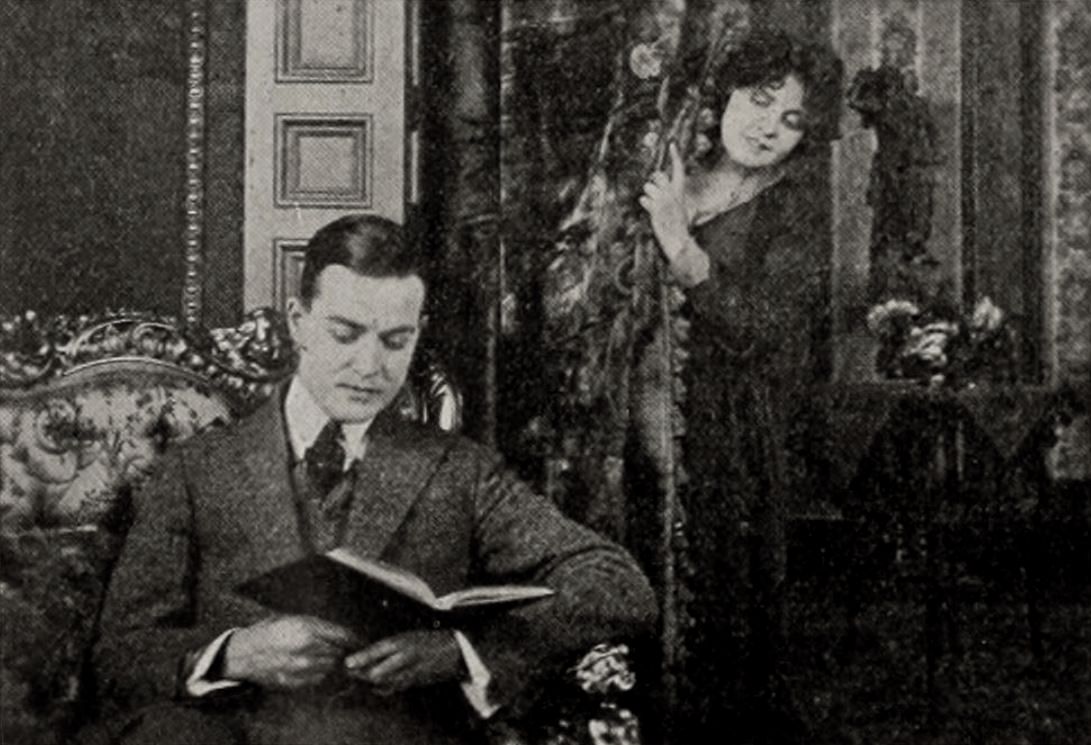
In the annals of early cinema, certain films emerge not just as entertainment, but as fascinating cultural artifacts, windows into the sensibilities and anxieties of their time. ‘The Precious Parcel’, a 1916 silent drama directed by George B. Seitz and written by Seitz alongside Frederick J. Jackson, is precisely such a piece. It’s a narrative steeped in the intricate dance of international politics, aristocratic duty, and personal unknowing, a complex tapestry woven with threads of patriotic service and unwitting deception. The film, starring Lois Meredith, Charles Angelo, Clara Heath, W. Tabor Wetmore, Ralph Kellard, George Pauncefort, and Walter Shindler, presents a premise so rich with potential intrigue that it compels a closer examination, even from the vantage point of a century later.
At its core, ‘The Precious Parcel’ unfurls a story that feels both quaintly specific to its era and remarkably prescient in its exploration of soft power and geopolitical strategy. We are introduced to a young British nobleman, a scion of the landed gentry, who finds himself an operative within an enigmatic organization known as "The Younger Sons." This cadre, presumably composed of those aristocratic offspring not destined for the primary inheritance, is tasked with performing unusual, often covert, services for Great Britain. It’s a brilliant narrative device, immediately establishing a world of hidden agendas and national imperatives lurking beneath the veneer of high society. The protagonist’s mission, seemingly innocuous on the surface, involves marrying an American girl. What makes this directive particularly compelling is the revelation, kept from him until after the deed is done, that this union isn't merely a matter of heart or convenience, but a strategic maneuver. By marrying her, he inadvertently annuls an archaic grant that grants her a claim to a throne in Canada. The irony, the sheer audacity of this plot, is breathtaking. His instructions are precise: open a sealed packet on a specific day, after his marriage. The dramatic reveal, therefore, is not just for the audience, but for the protagonist himself, a moment of profound, if belated, enlightenment. This narrative mechanism, where the hero is a pawn in a larger game, is a classic trope, yet here it’s executed with a particular elegance, turning his personal commitment into an act of unwitting statecraft.
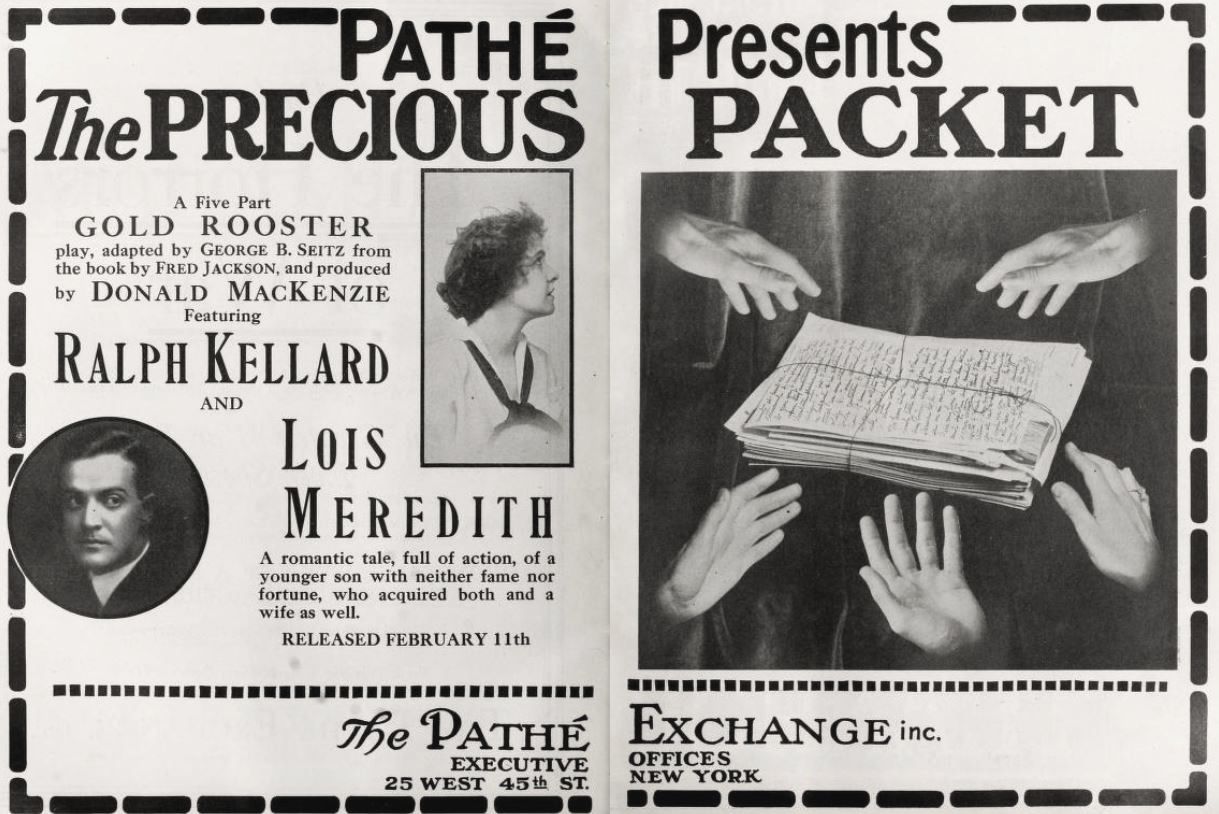
The concept of "The Younger Sons" is perhaps the most intriguing element in ‘The Precious Parcel’. It speaks volumes about the perceived role of the British aristocracy in the early 20th century, not just as figureheads but as active, if clandestine, agents of empire. While the eldest son inherited the title and estates, younger sons often pursued careers in the military, diplomacy, or colonial administration. This fictional organization elevates that reality into a grand, almost Bond-esque secret service, pre-dating the very genre it evokes. It suggests a deep-seated belief in the necessity of British influence and the lengths to which the establishment would go to secure its interests, even in territories as seemingly secure as Canada, a dominion within the Commonwealth. The threat of an American claim to a Canadian throne, however fantastical it might seem now, taps into historical anxieties about American expansionism and the potential erosion of British authority in North America. This particular plot point resonates with a period where national identities were solidifying, and the lines of global power were being redrawn, especially in the wake of the Great War’s looming shadow. It’s a reflection of a world still grappling with the legacies of colonial grants and the burgeoning power of the United States on the international stage.
Though specific details of individual performances are scarce without a viewing, we can surmise the archetypes at play. Charles Angelo, as the young man, would have had to convey a delicate balance of aristocratic charm, earnestness, and ultimately, a profound sense of revelation and perhaps betrayal. His journey from unwitting participant to enlightened agent is the emotional core of the film. Lois Meredith, as the American girl, would likely embody the spirited, independent American ideal, perhaps initially charmed by her British suitor, only to later confront the true nature of their union. Her character represents the symbolic prize, the contested territory, and her reaction to the annulment of her claim would be crucial to the film’s dramatic tension. Clara Heath, W. Tabor Wetmore, Ralph Kellard, George Pauncefort, and Walter Shindler would have populated the supporting cast, likely portraying the various agents of "The Younger Sons," skeptical relatives, or perhaps even rival claimants to the Canadian throne. The silent era demanded expressive, almost theatrical, performances, relying on exaggerated gestures and facial expressions to convey emotion and plot points, especially in the absence of spoken dialogue. One can imagine the subtle shifts in Angelo’s demeanor as he processes the implications of the packet’s contents, or Meredith’s initial joy turning to bewilderment or anger.
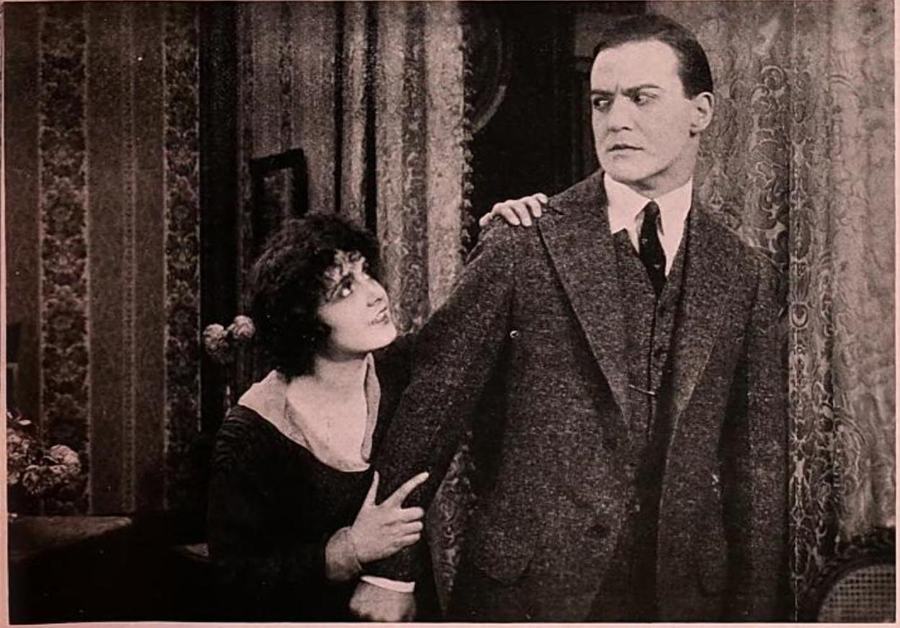
Frederick J. Jackson and George B. Seitz, as writers, crafted a narrative that, for its time, was remarkably intricate. The delayed reveal is a powerful narrative device, building suspense and culminating in a moment of dramatic irony. Seitz, who also directed, would have been responsible for translating this intricate script into visual storytelling. Silent film directors faced unique challenges, relying heavily on visual composition, intertitles, and the performances of their actors to convey complex plots and emotional nuances. The pacing would have been critical – building the romance, hinting at the underlying mystery, and then delivering the dramatic punch of the revelation. One might compare the narrative structure to other films of the era that relied on secrets and delayed gratification, such as Officer 666, which also features a clever plot involving mistaken identities and hidden motives, though perhaps less grand in its geopolitical scope. The film's title, ‘The Precious Parcel’, itself becomes a metaphor, referring not just to the physical packet but to the entire scheme, the 'precious' national interest it serves, and perhaps even the American heiress herself, whose claim is the object of such careful maneuvering. The choice of 'parcel' rather than 'package' or 'document' adds a certain old-world charm and formality to the entire enterprise.
1916 was a pivotal year for cinema. The industry was rapidly evolving, moving beyond mere novelty to embrace more sophisticated storytelling. Feature films were becoming standard, and audiences were developing an appetite for diverse genres. ‘The Precious Parcel’ fits comfortably within the popular adventure and romantic drama genres of the time, yet elevates itself with its unique geopolitical twist. Films like Across the Pacific (1914) or A Soldier's Oath (1915) often dealt with themes of international intrigue, duty, and sacrifice, though perhaps without the specific, almost bureaucratic, cunning of "The Younger Sons." The film likely employed many of the visual conventions of the era: dramatic close-ups to emphasize emotional reactions, elaborate sets to convey aristocratic wealth, and perhaps even some location shooting to lend authenticity to the Canadian elements, however briefly depicted. The use of intertitles would have been crucial for conveying the intricacies of the plot, especially the details of the ancient grant and the objectives of "The Younger Sons." The visual vocabulary of silent cinema was incredibly rich, relying on symbolism, montage, and the sheer power of the actors' expressions to tell a compelling story without a single spoken word.
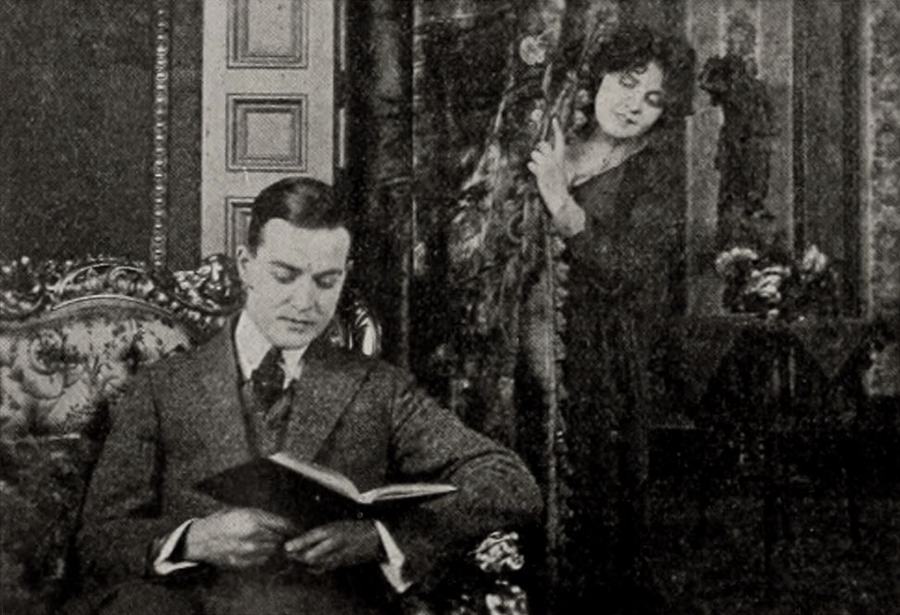
The thematic undercurrents of ‘The Precious Parcel’ are profound. It explores the tension between individual agency and national duty, the idea that one's personal life can be subsumed by a greater, patriotic cause. The protagonist’s unwitting participation raises questions about informed consent and the ethics of deception, even when undertaken for what is perceived as the national good. Is his eventual understanding a vindication or a disillusionment? The film also touches upon the fading power of old grants and monarchical claims in an increasingly modern world, and the lengths to which established powers will go to maintain the status quo. The Canadian throne itself is a symbol of historical legacy and contested sovereignty, a relic that still holds enough sway to necessitate such an elaborate scheme. This blend of historical geopolitics with personal drama provides a compelling backdrop. One could draw parallels to the subtle class dynamics explored in films like Snobs (1915), where social standing dictates much, though ‘The Precious Parcel’ elevates these dynamics to an international stage. The idea of destiny, both personal and national, is also central; the protagonist is destined to marry, destined to fulfill a mission, and in doing so, destined to alter history, all without his prior knowledge.
As with many silent films, the availability of ‘The Precious Parcel’ today is uncertain. Many productions from this prolific era have been lost to time, fire, or neglect. However, even in its textual description, the film holds immense value for film historians and enthusiasts. It showcases the ingenuity of early screenwriters in crafting complex plots and the ambition of studios to produce stories with grander stakes than simple melodramas. The film's unique premise — a marriage as a geopolitical weapon to annul a claim to a Canadian throne — sets it apart. It’s a testament to the creative fertility of the period, demonstrating how filmmakers were already pushing the boundaries of what cinema could achieve, exploring themes of international relations, espionage, and personal sacrifice. The involvement of a figure like George B. Seitz, who would go on to have a prolific career, further underscores its potential significance. One can only imagine the silent film’s visual splendor and the dramatic tension built through Angelo’s and Meredith’s performances, especially leading up to that fateful moment with the packet. It’s a film that, even in absence, continues to intrigue and provoke thought about the intersections of history, politics, and personal fate within the evolving medium of cinema.
In conclusion, ‘The Precious Parcel’ stands as a compelling example of early 20th-century cinema’s capacity for intricate storytelling and its reflection of contemporary geopolitical anxieties. Its plot, a delicate dance of duty and deception, offers a fascinating glimpse into a world where national interests could dictate the most personal of decisions. The film's exploration of unwitting heroism, secret societies, and the symbolic weight of an archaic claim to a Canadian throne makes it a truly unique piece, deserving of its place in the discussion of silent film's rich and varied legacy. It’s a narrative that, even a century later, retains its power to captivate and remind us of the enduring allure of a well-kept secret and a dramatic, life-altering revelation.
IMDb 6.3
1929
Community
Log in to comment.