DbcultAccessing Vault...
6.4/10
Senior Film Conservator
A definitive 6.4/10 rating for a film that redefined the boundaries of cult cinema. Chun can remains a cornerstone of transgressive art.
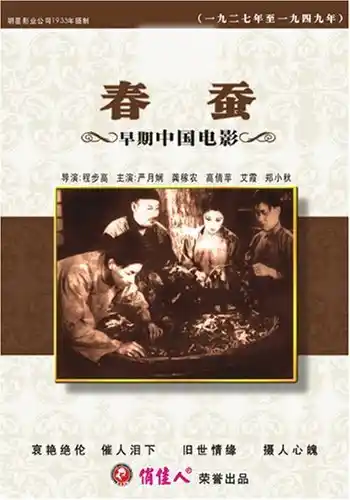
Okay, so "Spring Silkworms" (Chun can). This silent film from 1933 Shanghai really sticks with you, a deep, _quiet_ story.
If you love digging into film history or appreciate honest, human drama, it's absolutely worth seeing today. But if you need fast action or constant dialogue, its deliberate pace might be a real test for your patience.
It's a look at a small silk-farming family, just trying to get by. You see their whole world, really.
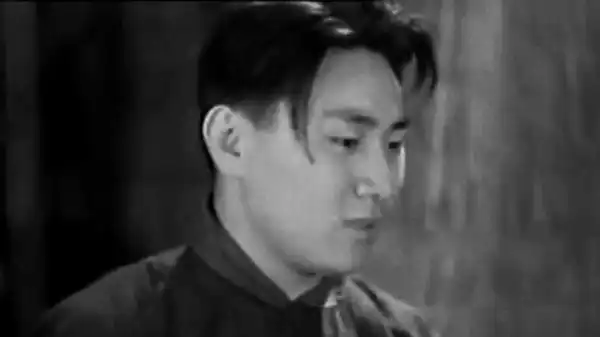
The opening shots, all those silkworms, hundreds of them, crawling and munching on mulberry leaves. It's _so_ tactile; you feel the constant effort needed to watch them.
The film spends a lot of time just showing their routine. The old man, Master Tong Bao, he’s sort of the patriarch, leading his family.
You see them all working, feeding the worms, tending to them like they’re the most precious things on earth. This is their entire livelihood.
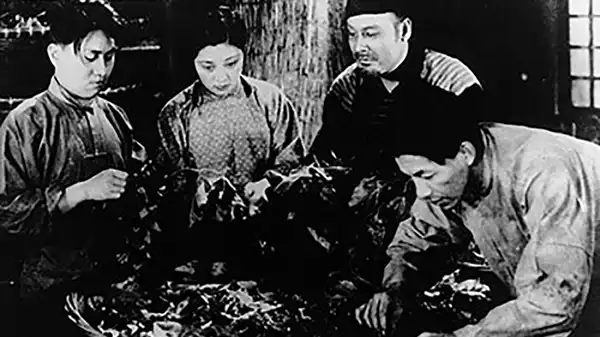
What really gets you is the feeling of being trapped. They owe money, always money, to the middlemen.
These guys just swoop in, set the price for the silk, and the family is basically at their mercy. I remember a scene vividly, where the family is trying to haggle.
But it’s not really haggling, is it? It’s just pleading. The middlemen just smirk, making it a _heavy_ moment.

The desperation just hangs in the air. You can almost feel the humidity, the very smell of the silkworms. 🐛
The film doesn't need big dramatic speeches; the faces tell you everything. It's all very understated, in how they look and handle the cocoons.
There's this one shot, a close-up on the silkworms, just eating. And you think, this is their entire world, what everything hinges on.
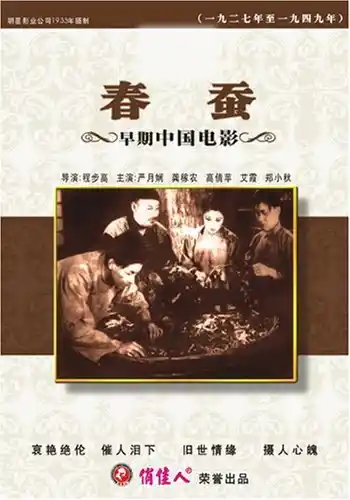
It makes you think about how little control these farmers have over their destiny, even with all their hard work.
It reminded me a bit of Visconti’s La Terra Trema, honestly. Not in plot, but that same deep, almost _documentary_ feel.
Both films just live in that struggle, showing people working the land and trying to survive.
The pacing feels slow by modern standards, for sure. But it’s a deliberate slowness, letting you soak in the life.
It’s an endless cycle of labor, hope, and crushing disappointment. When the debt collectors arrive, it's not a sudden shock, just an expected, inevitable thing. ☔
You can tell this was made with real care. The shots of the village, the river, the simple houses all feel so authentic.
IMDb 4.9
1932
Community
Log in to comment.