DbcultAccessing Vault...
Cult Review
Senior Film Conservator
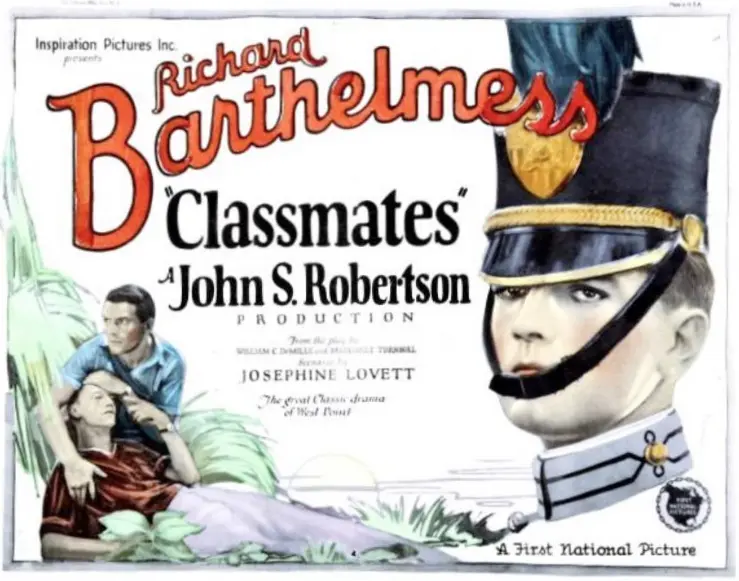
Stepping back into the nascent days of cinema, one encounters productions like 'Classmates,' a 1914 offering that, even a century later, still resonates with a profound exploration of human character, societal strictures, and the often-arduous journey toward personal honor. Directed by the prolific William C. de Mille, a name synonymous with early Hollywood’s dramatic sensibilities, and penned by a collaborative trio including Margaret Turnbull and Josephine Lovett, this film, starring the iconic Richard Barthelmess, delves into a narrative rich with moral complexities and emotional heft. It’s a story that transcends its silent-era origins, speaking to universal themes that remain as potent today as they were then. The film’s core strength lies in its meticulous portrayal of a young man’s struggle against the entrenched snobbery of his era, a battle fought not with fists, but with an unwavering spirit and an unyielding commitment to integrity.
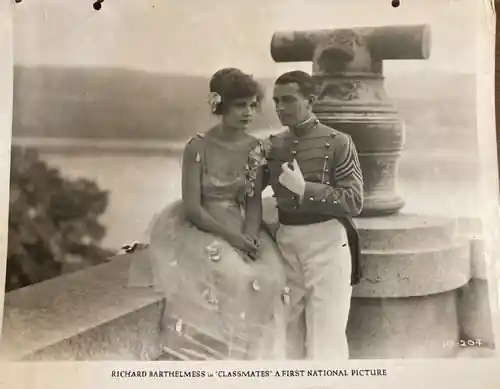
At the heart of 'Classmates' is Duncan Irving, Jr., portrayed with a compelling earnestness by Richard Barthelmess. Duncan is not merely a character; he is an archetype, a representative of the industrious, morally upright individual striving to surmount the societal barriers of his birth. Hailing from a small, unassuming Southern town, Duncan harbors an affection for Sylvia Randolph, a woman whose aristocratic lineage places her seemingly beyond his reach. This initial setup immediately establishes a central tension: the collision of class and aspiration. Duncan's unlikely appointment to West Point is more than just a personal achievement; it symbolizes a victory against the prevailing social order, a testament to meritocracy in a world often defined by inherited privilege. The academy itself, with its rigorous discipline and emphasis on honor, serves as a grand stage for this unfolding drama, a crucible where character is tested and forged under immense pressure.
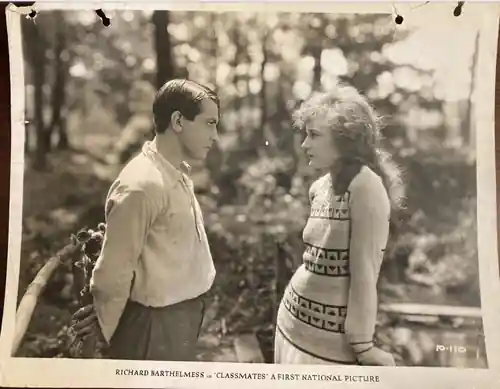
The arrival of Bert Stafford, Sylvia's cousin, in Duncan’s final year at West Point, ignites the film's central conflict with a slow-burning intensity. Bert, played by Herbert Corthell, embodies the worst aspects of inherited privilege: arrogance, entitlement, and a profound inability to acknowledge merit beyond social standing. His resentment towards Duncan, an upperclassman to whom he owes deference, becomes a festering wound. Bert views Duncan not as a fellow cadet, but as a social inferior, an interloper in a world he believes is exclusively his own. This dynamic creates a palpable sense of injustice, as Duncan, despite his exemplary conduct and superior rank, is subjected to a relentless barrage of insults and slights. The film masterfully builds this tension, allowing the audience to feel the weight of Duncan's restraint, the slow erosion of his patience in the face of such unwarranted hostility. It's a psychological battle as much as a social one, where the very fabric of military discipline and honor is stretched to its breaking point.
The inevitable breaking point arrives when Duncan, pushed beyond human endurance, retaliates against Bert’s incessant provocations. A single strike, a momentary lapse in an otherwise spotless record, proves to be his undoing. The consequences are swift and severe: expulsion from West Point. This pivotal moment is rendered with tragic poignancy, highlighting the unforgiving nature of the academy's honor code and the devastating impact of a single misstep, particularly when fueled by another’s malice. The narrative doesn't shy away from the harsh realities of such a system, depicting Duncan's fall from grace with a keen understanding of the emotional toll it takes. This expulsion, however, is not merely a punishment; it is a catalyst for Duncan’s true heroism to emerge, setting the stage for a dramatic shift in the film’s trajectory. One might draw parallels to the severe moral tests found in other early dramas where character is forged in adversity, though 'Classmates' distinguishes itself by the specific context of military honor and social prejudice.
The narrative then takes an unexpected, almost mythic turn, transporting us from the rigid order of West Point to the untamed chaos of the South American jungle. When Bert Stafford mysteriously disappears in this perilous environment, it is Duncan, the very man Bert wronged, who emerges as the unlikely savior. This plot twist is not just a dramatic device; it's a profound statement on the nature of forgiveness, heroism, and the redemptive power of selflessness. Leading an expedition into the heart of an unknown wilderness, Duncan embarks on a quest that transcends personal grievances, embodying a higher form of honor than any military academy could instill. His courage and resolve in the face of danger are portrayed with compelling realism, even within the conventions of silent film acting. This segment of the film highlights a stark contrast: the petty squabbles of society giving way to the raw, visceral demands of survival and rescue.
The arduous journey into the jungle serves as a powerful metaphor for Duncan’s own moral journey, a path through adversity that ultimately leads to vindication. When he finally locates Bert, the tables have turned dramatically. Bert, humbled and stripped of his arrogance by the harsh realities of the jungle, is forced to confront the truth of his past actions. This moment of confession is the emotional climax of the film, a cathartic release that not only exonerates Duncan but also transforms Bert. It's a powerful depiction of how extreme circumstances can strip away artifice and reveal fundamental truths. The writers, Margaret Turnbull and Josephine Lovett, along with William C. de Mille’s directorial vision, orchestrate this revelation with a keen understanding of dramatic impact. The truth, once divulged, acts as a powerful restorative force, setting in motion the final acts of reconciliation and justice.
Richard Barthelmess, in the role of Duncan, delivers a performance that, even in the absence of spoken dialogue, conveys a profound depth of emotion and resilience. His portrayal captures the quiet dignity of a man wronged, the unwavering resolve of a hero, and the tender affection of a lover. This was an era where actors relied heavily on facial expressions, body language, and carefully choreographed movements to communicate complex inner states, and Barthelmess was a master of this craft. His ability to evoke sympathy and admiration for Duncan is central to the film’s success. Similarly, Herbert Corthell's Bert Stafford is a nuanced antagonist, whose initial arrogance gradually gives way to a poignant vulnerability, making his eventual redemption feel earned rather than simply convenient. Madge Evans, as Sylvia Randolph, provides the romantic anchor, her presence a constant reminder of Duncan’s aspirations beyond the military and social battles he faces.
The screenwriters, Margaret Turnbull and Josephine Lovett, working under the guidance of William C. de Mille, weave a narrative that is both expansive in its scope and intimate in its character focus. They deftly handle the transition from a rigid institutional setting to the wild, untamed jungle, ensuring that the character arcs remain consistent and compelling throughout. The themes explored—class conflict, the nature of true honor, the burden of prejudice, and the power of forgiveness—are timeless. The film suggests that true aristocracy lies not in birthright but in character, a message that resonated strongly in an America grappling with its own evolving social landscape. William C. de Mille's direction, while adhering to the stylistic conventions of the silent era, demonstrates a keen eye for dramatic pacing and visual storytelling. He understood how to use close-ups to emphasize emotional moments and wide shots to convey the grandeur of West Point or the peril of the jungle. His work, alongside that of his brother Cecil B. DeMille, significantly shaped the nascent art of cinematic narrative, moving beyond mere spectacle to explore deeper psychological and social dimensions.
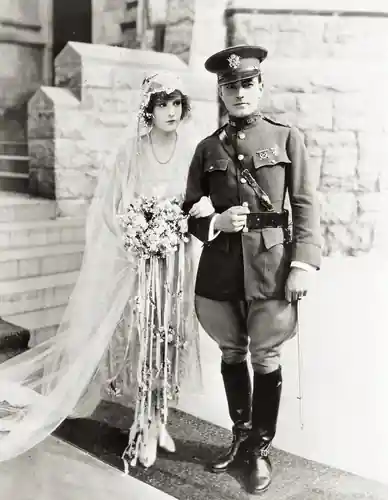
The culmination of Duncan's journey is both satisfying and emotionally resonant. His reinstatement to West Point is not just a bureaucratic correction; it is a profound affirmation of justice served, a recognition of his inherent worth and honor that transcends the momentary error of his expulsion. The narrative arc, which begins with a social outsider striving for acceptance and ends with his complete vindication, is deeply resonant. Upon his graduation, Duncan finally marries Sylvia, a union that symbolizes the bridging of social divides and the triumph of genuine affection over superficial status. This resolution feels earned, a natural consequence of the characters' growth and the narrative's moral compass. It's a classic happy ending, yes, but one imbued with significant thematic weight, suggesting that perseverance and integrity ultimately lead to both personal fulfillment and societal recognition.
Comparing 'Classmates' to other films of its era helps to contextualize its impact. While perhaps not as overtly melodramatic as some contemporary works like The Crimson Gardenia, it shares a common thread of exploring moral dilemmas and societal pressures. The themes of personal honor and societal judgment, for instance, find echoes in films such as Outcast (1922), which also grapples with a protagonist facing public opprobrium and striving for redemption. Similarly, the dramatic intensity of interpersonal conflict and its consequences, though perhaps less overtly physical than some adventure films, resonates with the underlying tension found in stories like Love and Hate, albeit with a distinct focus on military and social hierarchy. 'Classmates' stands as a testament to the power of narrative to explore complex human relationships and societal structures, even within the nascent technical limitations of early cinema.
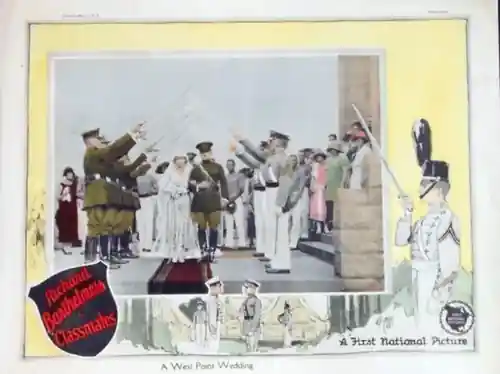
The film's exploration of class distinction, particularly through the lens of West Point, provides valuable insight into the social anxieties of the time. The idea that merit could overcome birthright was a powerful, if not always universally accepted, American ideal. Duncan’s journey embodies this ideal, offering a hopeful vision of a society where character ultimately triumphs over prejudice. The character of Bert serves as a stark reminder of the obstacles to such an ideal, representing the entrenched resistance to social mobility and equality. The transformation of Bert, from a snobbish antagonist to a humbled confessor, is crucial to the film's moral message, emphasizing the possibility of personal growth and reconciliation. It suggests that even the most hardened prejudices can be eroded by truth and genuine heroism.
In conclusion, 'Classmates' is far more than a simple silent-era melodrama. It is a thoughtfully constructed narrative that uses the rigid framework of West Point and the perilous expanse of the South American jungle to dissect themes of honor, class, and redemption. The performances, particularly that of Richard Barthelmess, imbue the characters with a timeless humanity. The writing and direction coalesce to create a compelling story that champions integrity and forgiveness, proving that true courage often lies not just in physical bravery, but in the moral fortitude to stand for truth and to extend grace. For enthusiasts of early cinema and those interested in the foundational narratives of Hollywood, 'Classmates' offers a rich and rewarding viewing experience, a window into a past that still echoes with relevant truths about the human condition. Its legacy lies not just in its historical significance, but in its enduring message that character, ultimately, is the highest rank one can achieve.
IMDb 6.8
1922
Community
Log in to comment.