DbcultAccessing Vault...
8.3/10
Senior Film Conservator
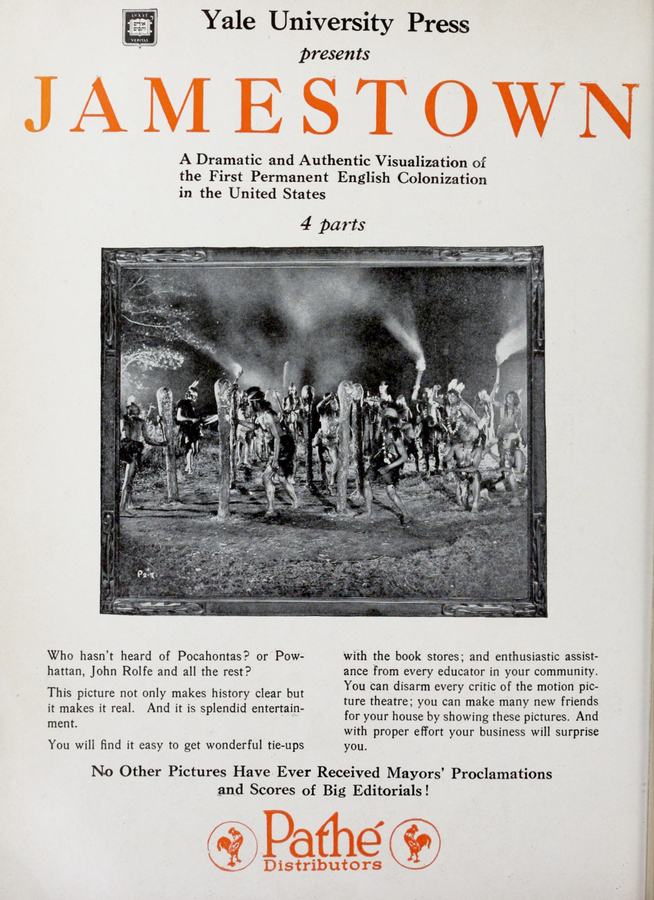
A definitive 8.3/10 rating for a film that redefined the boundaries of cult cinema. Jamestown remains a cornerstone of transgressive art.
Jamestown arrives on the screen like an old map unfurled, its edges frayed, its ink still wet with the sweat of those who dared to ink history. The opening sequence, a languid sunrise over the mist‑shrouded river, sets a tone that is simultaneously poetic and portentous. The cinematography, saturated in muted sepia tones punctuated by the occasional blaze of firelight, evokes the visual language of early colonial engravings while never sacrificing narrative momentum.
Leslie Stowe, embodying the stern governor, carries the weight of authority with a measured cadence that borders on the theatrical, yet never feels overwrought. His interactions with Dolores Cassinelli's resilient matriarch, a woman whose grief is as palpable as the cold that gnaws at the settlement, create a tension that reverberates through each subsequent scene. The chemistry between these two anchors the film’s emotional core, reminding the viewer that the colonists’ struggle was as much internal as external.
Robert Gaillard delivers a performance that feels ripped from the pages of a 17th‑century diary—his mutinous whispers in the dimly lit tavern echo the discontent that plagued many real‑life settlements. Paul McAllister, as the conflicted surgeon, oscillates between clinical detachment and visceral horror when confronting the rampant disease that decimates the colonists. Harry Kendall’s portrayal of the pragmatic trader, forever negotiating with the Powhatan chief, provides a nuanced counterpoint to the more overtly heroic archetypes.
When comparing these portrayals to the ensemble dynamics in Are You a Mason?, one notes a similar commitment to period authenticity, yet Jamestown’s actors seem to inhabit their roles with a rawness that feels less rehearsed and more lived.
The screenplay, penned by Roswell Dague and Mary Johnston, weaves together documented events and imagined dialogues, resulting in a tapestry that feels both educational and dramatically compelling. The script does not shy away from the brutal realities of the era: the spread of malaria, the scarcity of fresh water, and the cultural misunderstandings that lead to violent clashes. In one particularly harrowing sequence, a group of colonists attempts to harvest corn from a field guarded by the Powhatan; the ensuing confrontation is choreographed with a stark, almost balletic brutality that underscores the futility of force when faced with a deeply rooted connection to the land.
The film’s pacing mirrors the erratic rhythm of colonial life—moments of frantic activity punctuated by long, contemplative lulls where the camera lingers on a lone figure staring into the river’s dark current. This ebb and flow recall the narrative structure of Saving Sister Susie, where tension is built through patient observation rather than relentless action.
Visually, the film employs a palette that is both restrained and striking. The dominant dark orange (#C2410C) appears in the flickering campfires, casting elongated shadows that dance across the colonists’ gaunt faces. Yellow (#EAB308) surfaces in moments of fleeting hope—sunlight breaking through storm clouds, a child’s laugh echoing across the settlement. The sea blue (#0E7490) dominates the river scenes, a cold reminder of the unknown that lies beyond the settlement’s fragile perimeter.
The sound design is equally meticulous. The creak of wooden ships, the distant thrum of drums from the Powhatan encampments, and the incessant rustle of wind through the marshes combine to create an immersive soundscape. The score, sparse and mournful, leans heavily on period-appropriate instruments—lutes, shawm, and low drums—enhancing the historical atmosphere without overwhelming the narrative.
Jamestown is more than a period piece; it is a meditation on the perennial human quest for belonging and the cost of empire. The film interrogates the myth of manifest destiny by presenting colonists who are simultaneously victims of their own hubris and agents of cultural disruption. The portrayal of the Powhatan people, while limited by the era’s production constraints, strives for a degree of empathy—particularly in scenes where the chief, played by Brian Donlevy, engages in a solemn council with the settlers, offering grain in exchange for peace.
In a world still grappling with the legacies of colonization, Jamestown’s unflinching look at the foundations of American society offers a valuable lens through which to examine present‑day debates about land rights, cultural preservation, and the narratives that shape national identity.
When placed alongside other early 20th‑century epics such as Madame Butterfly or House of Cards, Jamestown distinguishes itself through its unvarnished realism. While Madame Butterfly luxuriates in operatic melodrama, Jamestown opts for a restrained, almost journalistic approach, allowing the audience to feel the cold bite of winter and the gnawing anxiety of a starving populace.
The film’s editing, a series of deliberate cuts that juxtapose the bustling dockside with the silent, desolate interior of the settlement, evokes the dissonance found in The Pest. This technique reinforces the sense that the colonists are trapped between two worlds—one of promise and one of peril.
Though over a century old, Jamestown’s influence can be traced through subsequent historical dramas that prioritize authenticity over spectacle. Its emphasis on character-driven storytelling paved the way for later works like In the Days of the Thundering Herd, which similarly balances grand historical scope with intimate human moments.
The film’s screenplay, lauded for its fidelity to primary sources, continues to serve as a reference point for scholars examining early colonial narratives. Its depiction of the Powhatan chief’s diplomatic overtures, though simplified, offers a template for more nuanced portrayals in modern cinema.
Jamestown stands as a testament to the power of cinema to resurrect forgotten epochs with both reverence and critical scrutiny. The film’s strengths—its meticulous production design, compelling performances, and unflinching narrative—far outweigh its occasional historical shorthand. For viewers seeking an immersive, intellectually stimulating experience that bridges the gap between documentary and drama, Jamestown offers an unforgettable journey into the crucible that forged a nation.
IMDb —
1921
Community
Log in to comment.