DbcultAccessing Vault...
6.2/10
Senior Film Conservator
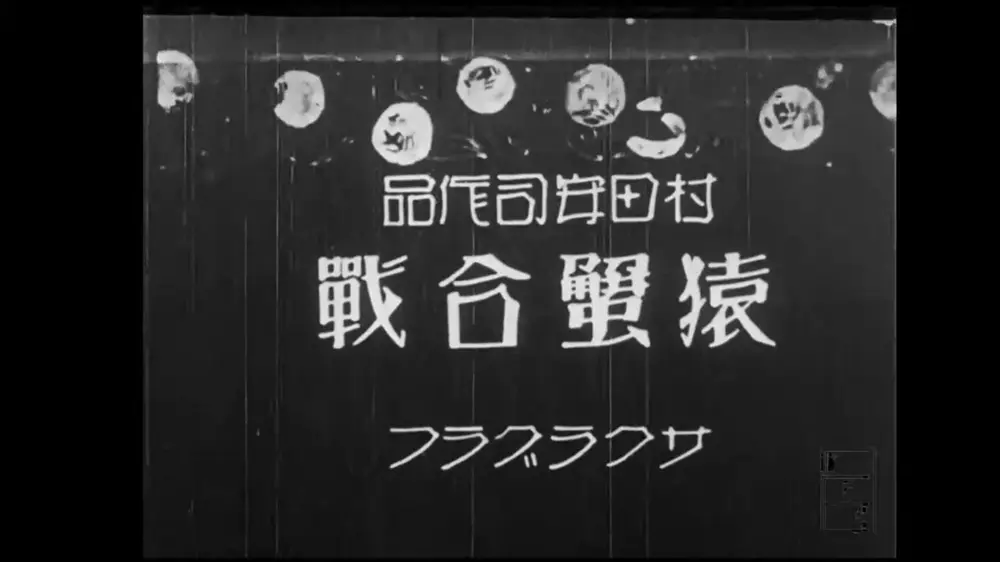
A definitive 6.2/10 rating for a film that redefined the boundaries of cult cinema. Sarukani-gassen remains a cornerstone of transgressive art.
Short answer: If you crave cerebral period dramas over crowd-pleasing spectacle. Is Sarukani-gassen a cinematic masterwork or a stiff historical lecture? The answer lies in its unapologetic focus on human struggle over plot. Yasuji Murata’s stark vision will polarize viewers, but its ethical complexity and visual poetry make it essential viewing for fans of pre-MtSuo Japanese cinema.
1) Murata’s minimalist direction turns the workers’ rebellion into a primal dance of light and shadow. A standout scene—the monkeys’ nighttime sabotage of the rice paddies—uses handheld camera work to create claustrophobic tension, with the sound of rustling reeds amplifying the sense of encroaching doom.
2) Aochi’s script avoids moralizing about the workers’ actions. When a young monkey betrays the group, the film doesn’t frame it as weakness but as a pragmatic survival tactic, echoing the real-world compromises of peasant uprisings.
3) The black-and-white cinematography isn’t mere nostalgia—it’s a narrative device. The overseer’s polished armor glints harshly under torchlight, while the workers’ tattered robes absorb shadows, visually encoding their power dynamics.
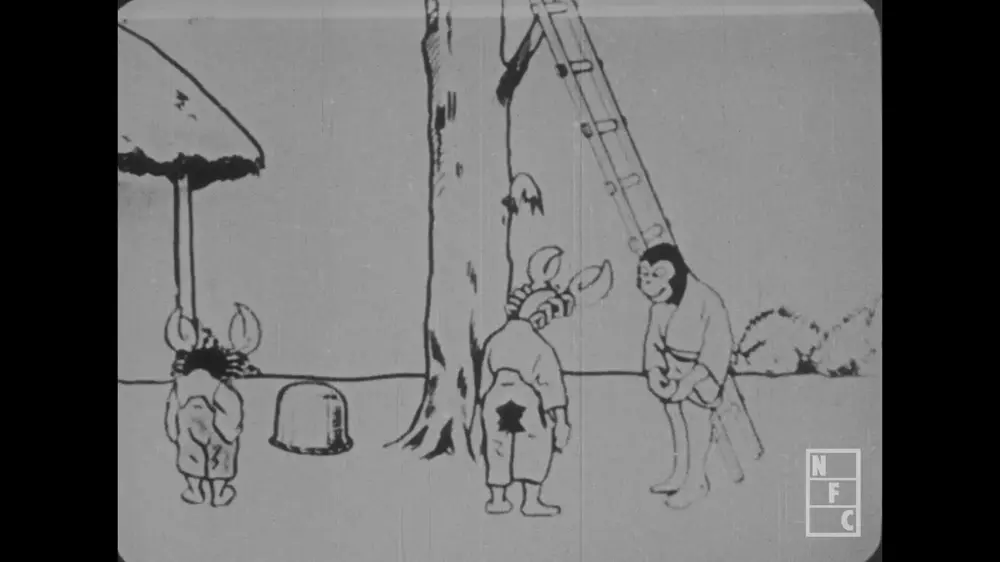
1) The deliberate pacing—measured at 97 minutes—can feel glacial. A 20-minute sequence of the monkeys foraging for food, while thematically rich, tests modern viewers’ attention spans.
2) Character development is sacrificed for allegory. The workers’ personal histories are sketched in broad strokes, making their collective fury feel abstract rather than earned.
3) The third act’s abrupt tonal shift—from gritty realism to mythic symbolism—disorients. The crab morphs into a literal crustacean in a surreal climax that some may find pretentious.
You’re fascinated by how Japanese filmmakers of the 1950s grappled with post-war identity. Sarukani-gassen’s class themes parallel the director’s later work in Innocent Husbands, though this film is far more austere.
Direct answer: Yes, for its radical stylistic choices and thematic ambition, but only if you’re willing to engage with its intellectual demands. No, if you expect emotional payoff or conventional storytelling.
Sarukani-gassen is a flawed but fascinating artifact of mid-20th century Japanese cinema. It doesn’t just depict rebellion—it embodies it through its restless visual language and unflinching gaze. While it lacks the accessibility of Queen of Spades or the narrative drive of Boomerang Bill, its willingness to confront uncomfortable truths about power and complicity makes it a standout entry for serious viewers.
A bold statement: This film is less about monkeys and crabs than about the dehumanizing effects of systems. Its greatest sin isn’t its pacing—it’s asking too much of modern audiences who crave instant gratification. But for those who meet it halfway, Sarukani-gassen rewards with a raw, unvarnished portrait of human resilience.
It works. But it’s flawed. And that’s precisely why you should watch it.

IMDb —
1933
Community
Log in to comment.