DbcultAccessing Vault...
Cult Review
Senior Film Conservator
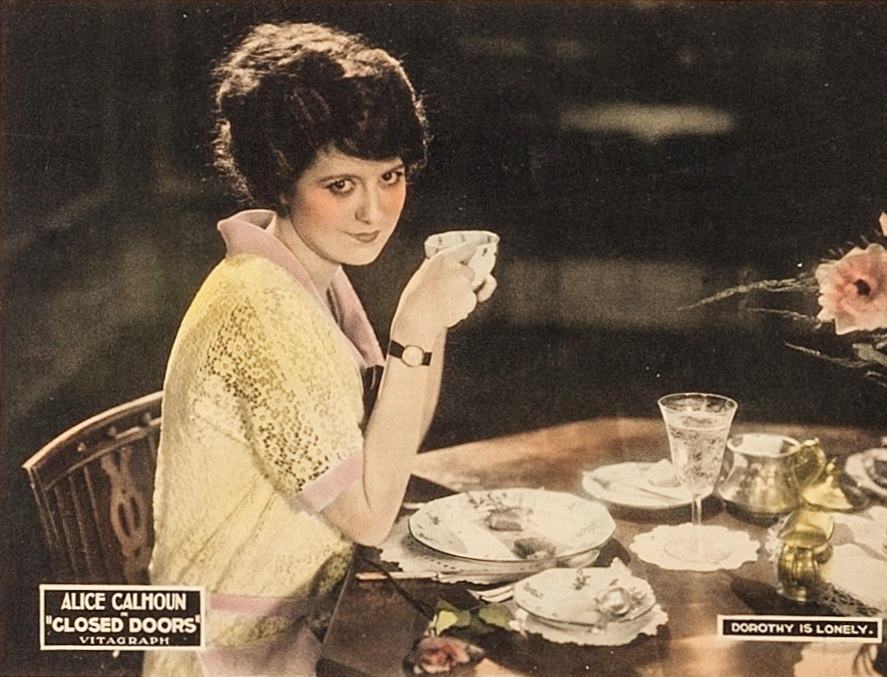
In the annals of early cinema, few narratives delve with such unflinching honesty into the intricate web of human morality, temptation, and the long shadow of past deeds as Closed Doors. This cinematic offering, a potent brew of psychological drama and domestic intrigue, transcends its era, presenting a compelling tableau of societal expectations clashing with individual desires. From the moment the curtain rises, we are plunged into a world where the sanctity of marriage is both a revered ideal and a fragile construct, easily shattered by passion, ambition, or neglect. It's a journey not merely through a plot, but into the very core of what it means to uphold one's convictions in the face of overwhelming pressure, and how swiftly those convictions can crumble under the weight of unforeseen circumstances. The film masterfully navigates the treacherous waters of moral ambiguity, leaving the audience to ponder the true cost of loyalty, the perils of isolation, and the thorny path to redemption.
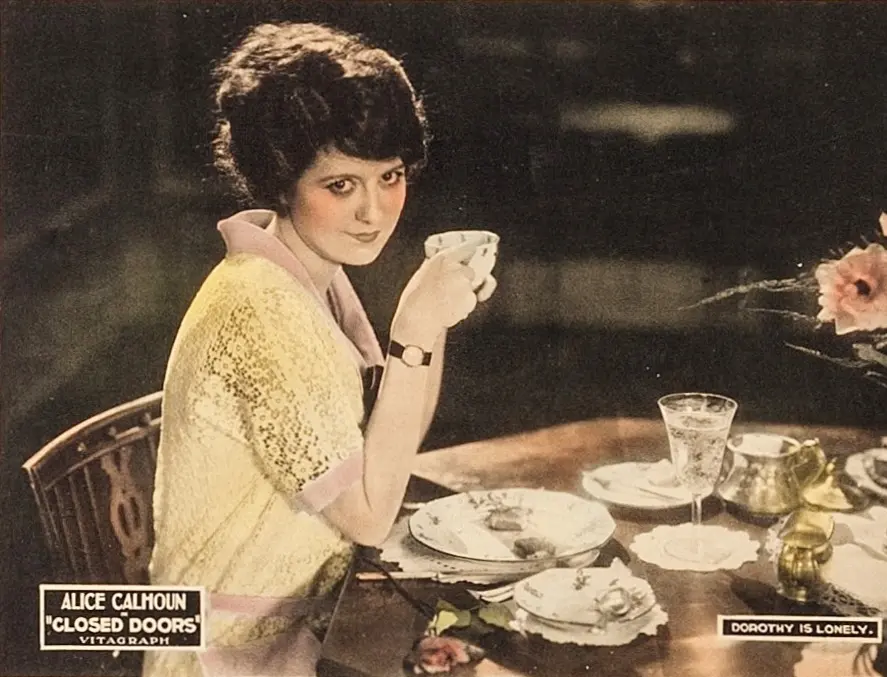
The narrative commences with a stark, impactful scene: Dan Syrles, portrayed with an understated intensity by Bernard Randall, driven to the desperate act of taking a life to preserve his marriage. This initial transgression sets a somber tone, immediately establishing the film's willingness to confront uncomfortable truths about the lengths to which individuals might go when cornered. What makes this opening even more intriguing is the intervention of Jim Ranson, a character whose staunch belief in the sanctity of the home compels him to aid Syrles's escape. This act of complicity, born from a seemingly noble conviction, is the crucial pivot point from which the entire drama unfolds. It's a fascinating paradox: Ranson, a man who values marital integrity above all, becomes an accessory to murder in its defense. This early plot device, crafted by the astute minds of writers William B. Courtney and Harry Dittmar, immediately establishes a complex moral framework that permeates every subsequent scene.
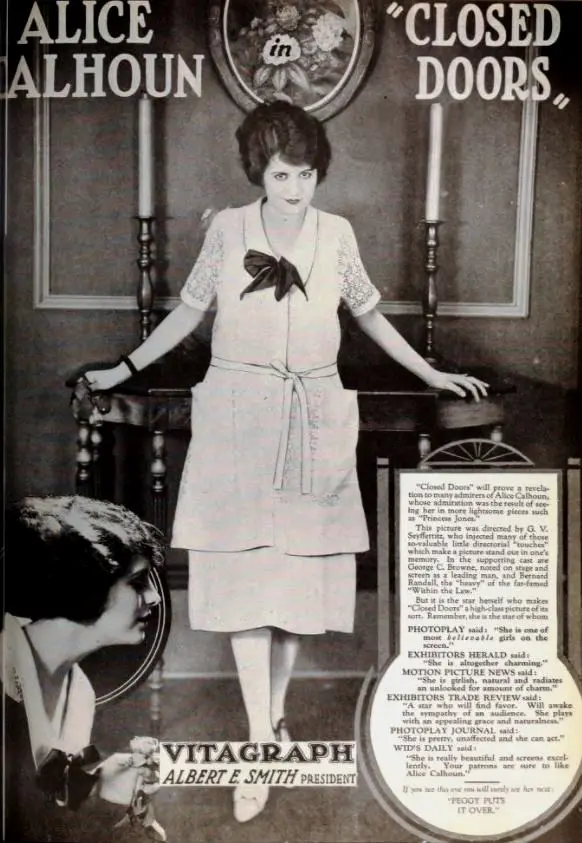
Years later, the threads of fate re-emerge, tying Ranson's destiny to a new, opulent life in an eastern city. His meteoric rise to power and wealth is charted with a meticulous eye, showcasing the intoxicating allure of ambition. Harry C. Browne embodies Ranson with a gravitas
IMDb —
1914
Community
Log in to comment.