DbcultAccessing Vault...
Cult Review
Senior Film Conservator
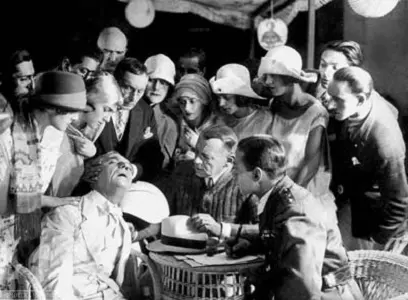
In the shadowy realm of interwar Polish cinema, Vampires of Warsaw emerges as a masterful, albeit lesser-known, murder mystery. Written by Wiktor Bieganski and starring Oktawian Kaczanowski, K. Marczewski, and Maria Balcerkiewiczówna, this gripping tale of deception and greed eschews the supernatural connotations of its title, instead delivering a grounded, psychologically complex whodunit.
The film's narrative revolves around a pair of Russian aristocrats, who, driven by avarice and a desire for social standing, concoct an intricate scheme to infiltrate the echelons of a wealthy Polish family. By feigning affection and securing the patriarch's and his daughter's trust, they aim to eliminate their marks and claim the family's considerable fortune. As the story unfolds, the tension builds, expertly crafted by Bieganski's taut script and the cast's nuanced performances.
The cinematography, though not overtly stylized, effectively captures the atmosphere of foreboding that permeates the film. The use of shadows, lighting, and composition creates a sense of unease, underscoring the moral ambiguity of the characters and the duplicity that drives the plot.
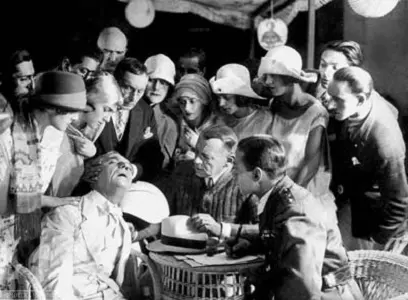
Upon closer inspection, Vampires of Warsaw reveals itself to be a scathing critique of the social elite, laying bare the hypocrisy and class stratification that defined the era. The film's portrayal of the Russian aristocrats as amoral and calculating serves as a commentary on the corrupting influence of power and the lengths to which individuals will go to maintain their status.
In comparison to other films of the era, Vampires of Warsaw shares some thematic similarities with Footlights, which also explores the tensions between social classes. However, whereas Footlights focuses on the world of theater, Vampires of Warsaw plunges viewers into the rarefied realm of the Polish aristocracy.
The film's pacing, though deliberate, never feels tedious, thanks in large part to the pitch-perfect performances of the cast. Oktawian Kaczanowski and K. Marczewski deliver particularly noteworthy portrayals, imbuing their characters with a depth and nuance that makes their actions both believable and disturbing.
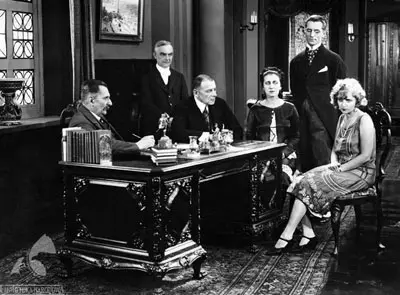
As the story hurtles toward its shocking conclusion, viewers will find themselves drawn into a world of moral complexity and atmospheric tension. Vampires of Warsaw is a masterful example of the murder mystery genre, one that eschews cheap thrills and supernatural trappings in favor of a richly detailed, psychologically complex narrative.
In the pantheon of early 20th-century cinema, Vampires of Warsaw occupies a unique position, one that warrants further exploration. Fans of The Heart of Jennifer and Man's Plaything will find much to appreciate in this film's similarly moody atmosphere and themes of deception.
The film's influence can also be seen in later works, such as Terror Trail and Disraeli, which share some of the same themes of power and corruption. However, Vampires of Warsaw remains a distinct and fascinating work, one that continues to captivate audiences with its timeless themes and haunting atmosphere.
In conclusion, Vampires of Warsaw is a gripping and thought-provoking film that deserves to be rediscovered. Its expertly crafted narrative, atmospheric cinematography, and timeless themes make it a must-see for fans of classic cinema and murder mysteries.
IMDb 6.4
1933
Community
Log in to comment.