DbcultAccessing Vault...
4.8/10
Senior Film Conservator
A definitive 4.8/10 rating for a film that redefined the boundaries of cult cinema. Clothes Make the Woman remains a cornerstone of transgressive art.
If you're the kind of person who finds themselves drawn to the dusty corners of cinematic history, particularly the melodramas from the silent era, then maybe, just maybe, Clothes Make the Woman might offer a curious evening. Anyone expecting a tight narrative or nuanced character work is going to be incredibly frustrated. This isn't a forgotten masterpiece; it's for the patient, the slightly masochistic, or those fascinated by how stories were told almost a century ago, warts and all.
The film kicks off right in the thick of it, or what’s meant to be the thick of it: the Romanoff massacre. It’s... well, it’s a lot less bloody and chaotic than history books suggest. More like a stage play where everyone knows their marks a little too well. Catherine Wallace, playing the peasant girl, is given this big close-up where she’s supposed to be torn between revolutionary fervor and a sudden wave of pity for Princess Anastasia. You see her hands clench, her eyes widen, and then she sort of lunges. The 'accidental wounding' is less a desperate act and more a gentle poke with a bayonet that looks suspiciously like a prop. It felt less like a life-or-death struggle and more like a carefully choreographed dance where no one wanted to actually get hurt.
This initial sequence, for all its historical weight, just doesn't quite land. The extras mill about, some looking genuinely confused about what they’re supposed to be doing, others staring directly into the camera. There’s a shot of a soldier, mid-massacre, adjusting his cap, completely breaking any illusion of terror. It’s those tiny moments that pull you right out.
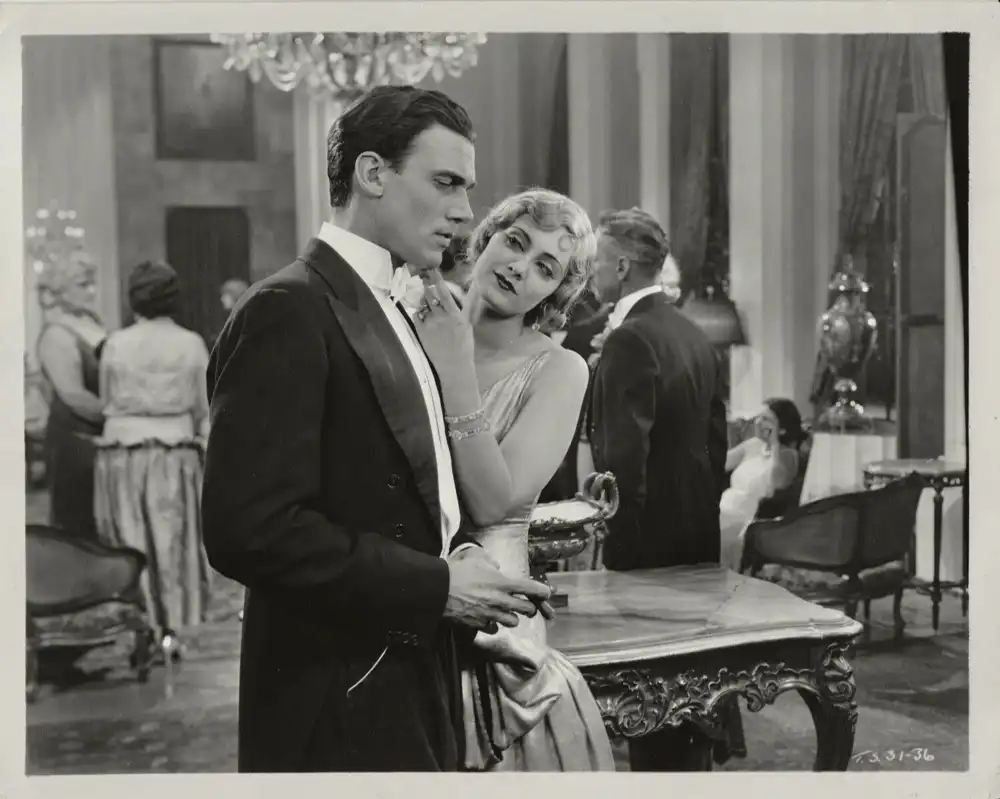
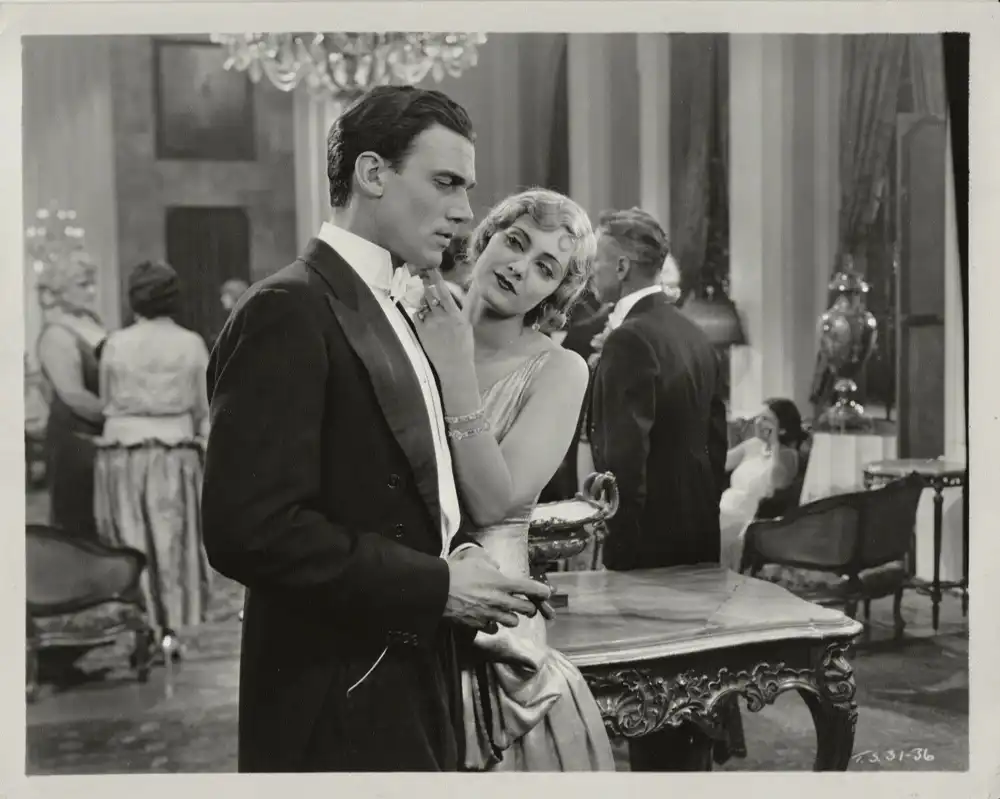
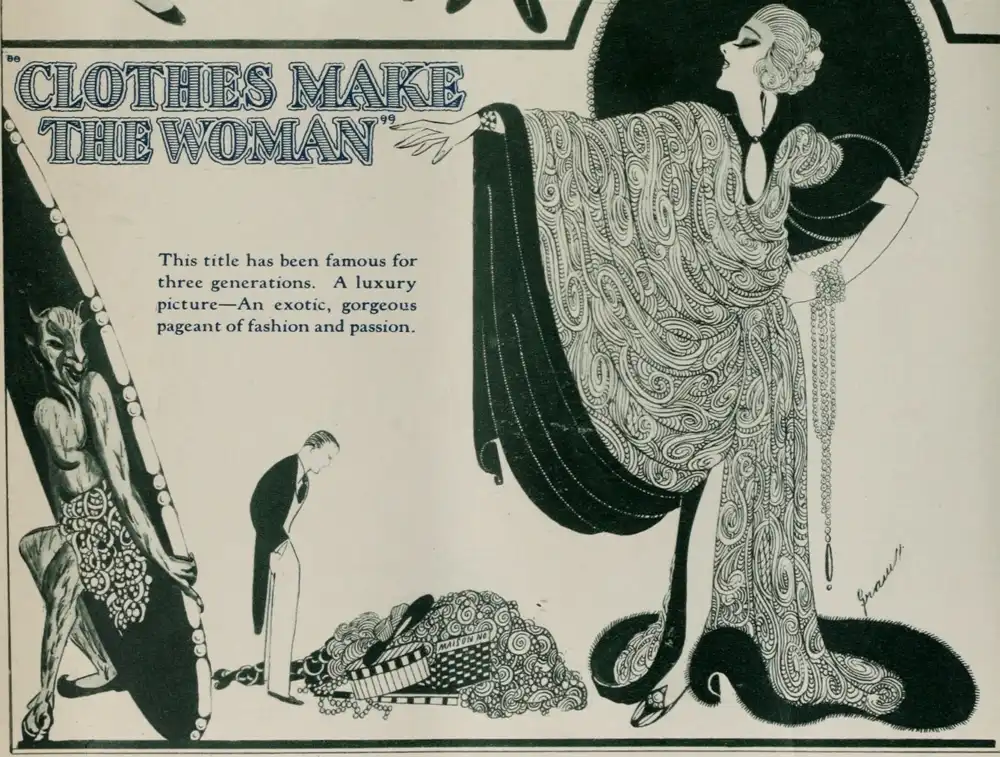
Then the story shifts, and this is where the 'clothes' part of the title really starts to work its way in, though not always gracefully. Our peasant protagonist somehow ends up living a different life, and the film wants us to believe she's transformed. The costume changes are drastic, of course. From rough peasant garb to these surprisingly elegant gowns that appear almost out of nowhere. It's meant to show her ascent, I guess, but it feels less like a journey and more like a quick change backstage. One minute she’s scrubbing floors, the next she’s at a fancy party, looking perfectly at home. No real awkwardness, no learning curve shown. It's a silent film, sure, but you expect some visual cue, a glance of uncertainty.
The way the film handles its central premise – the peasant girl's transformation – is often more amusing than it is convincing. She goes from rags to riches, or at least respectability, with astonishing speed. There's a particular shot where she's wearing this elaborate hat, totally out of place for her supposed recent past, and she just carries it with such an air of casual elegance. It's like the movie itself forgot where she came from.
The interactions between Catherine Wallace and Duncan Renaldo, who plays... well, a dashing sort, are often the most watchable parts. Their chemistry isn't exactly electric, but there's a certain charm to their shared glances and the way they navigate the rather stiff social circles the film introduces. Renaldo has this habit of tilting his head slightly, like a confused puppy, whenever he's meant to be contemplating something profound. It's endearing, honestly, even if it undermines the drama a bit.
Corliss Palmer as Anastasia doesn't get a huge amount of screen time after the initial incident, but her few appearances are marked by a kind of ethereal sadness. She floats through scenes, often looking off into the middle distance. It’s effective in its own way, a silent film trope, but sometimes you just want her to react to something, anything, with a bit more vigor.
There's a scene, much later, involving a ball. The setting is quite grand for what feels like a low-budget production. But the dancing! It's so formal, so rigid. Everyone moving in perfect unison, almost like puppets. The camera lingers on a few couples, and you can almost feel the director trying to make this feel glamorous and important. But it just comes across as a bit stiff. You can almost hear the metronome ticking in the background.
Pacing is a real issue here. Some scenes drag on for what feels like an eternity. A character will walk into a room, stop, look around, take off their hat, put it on a stand, adjust their collar, then finally sit down – all while the intertitle cards have already conveyed their entire purpose for being there. It's like the film is afraid of moving too fast, or maybe they just needed to fill time.
Then there are these weird jumps. One minute we're in a tense confrontation, the next we're at a picnic. The mood shifts without much warning, leaving you a little disoriented. It's not a deliberate tonal choice, I don't think. More like the editor was working with whatever footage they had, trying to stitch a story together.
Walter Pidgeon pops up in a supporting role, and he brings a certain gravitas, even in these early, less refined days of his career. He's got that presence. Even when he's just standing in the background, observing, you notice him. His reactions feel a bit more natural than some of the other players, less like he's performing for the back row of a theater.
The background extras in some of the crowd scenes are a delight, completely oblivious to the drama unfolding. One fellow, in a market scene, is clearly just trying to get through the shot to wherever he's going, not even pretending to be part of the scene. It’s these little human blips that make you feel like you're watching a living document, not a perfectly crafted film.
The ending, without giving too much away, tries to tie everything up with a neat bow, but it feels a bit forced. The emotional payoff isn't quite there because the journey itself felt so disjointed. You're left with a sense of 'oh, okay, that happened.' Not a bad film, not really, but not a particularly good one either. It's a curiosity. A window into a bygone era of filmmaking where intentions often outran execution.
Honestly, the most memorable part might be the sheer audacity of the premise, trying to weave a personal drama into such a monumental historical event. They just didn't quite have the tools or the budget to pull it off convincingly. But you have to admire the attempt.
IMDb 5.6
1933
Community
Log in to comment.