DbcultAccessing Vault...
Cult Review
Senior Film Conservator
Neuland is a silent film that serves as a profound exploration of the human condition, set against the backdrop of a seemingly ordinary German-speaking community. This film, directed by the visionary Erich Pabst, is a testament to the power of visual storytelling and the ability to convey complex emotions and ideas without the aid of spoken dialogue.
The narrative is a mosaic of interconnected lives, each character facing their own personal and societal challenges. The film opens with a somber and haunting sequence, setting the tone for the rest of the story. The use of stark, often bleak visuals and a muted color palette creates a pervasive sense of weariness and resignation, mirroring the emotional and psychological state of the characters.
The story follows a group of individuals who live in a small, seemingly insular town. Each character is a microcosm of a broader societal issue, whether it be conformity, the search for identity, or the struggle to find meaning in a world that feels increasingly oppressive. The film's exploration of these themes is both subtle and profound, making it a work of art that demands multiple viewings to fully appreciate.
A standout performance in Neuland is delivered by Aud Egede-Nissen, who plays a character named Emil. His nuanced portrayal captures the internal turmoil and emotional depth of a man struggling to reconcile his personal desires with the expectations of society. Egede-Nissen's performance is a masterclass in silent acting, conveying a range of emotions through subtle facial expressions and body language. His character's journey is a central thread that ties the narrative together, and his performance is a testament to the power of silent cinema.
Reinhold Schünzel, as Gerd, the town's mayor, provides another strong performance. His character represents the oppressive force of authority and the crushing weight of conformity. Schünzel's portrayal is both menacing and sympathetic, making his character's internal struggles as compelling as those of the other characters. His interactions with Emil and the other townspeople highlight the film's exploration of conformity and the loss of individuality.
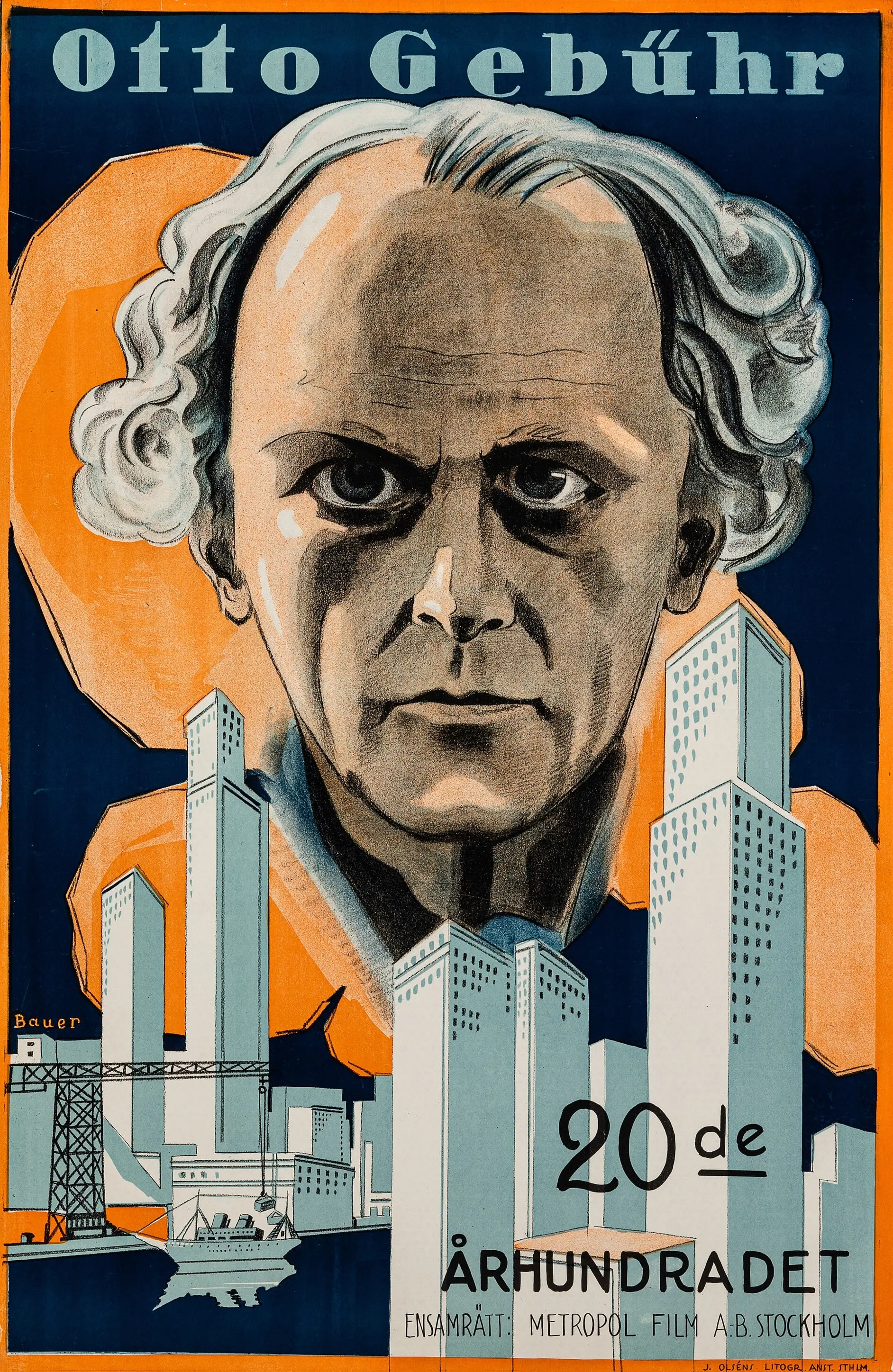
The supporting cast, including Kaethe Richter, Josef Dischner, Viktor Schwannecke, Otto Gebühr, and Hanna Bartz, all deliver compelling performances. Each character adds a layer of complexity to the narrative, contributing to the film's rich tapestry of human experience. The interactions between the characters are expertly crafted, and the tension between them is palpable, adding to the film's emotional impact.
The film's direction by Erich Pabst is a marvel of visual storytelling. The cinematography is both stunning and haunting, with a focus on the mundane and the overlooked. The production design is meticulous, with each set and prop carefully chosen to enhance the film's themes. The use of lighting and shadows creates a sense of unease and tension, making the film's world feel both familiar and distant.
The score, though silent, is a crucial element of the film's atmosphere. The use of sound effects and the occasional use of music (albeit without a traditional orchestra) adds to the film's immersive quality. The sound design is expertly crafted, with each sound carefully chosen to enhance the emotional impact of the scenes.
Neuland
Neuland is a film that demands to be watched and rewatched. It is a work of art that rewards close attention and reflection. The film's exploration of themes such as conformity, individuality, and the search for meaning in a stagnant society make it a poignant and thought-provoking work. It is a reminder of the power of silent cinema and the ability of visual storytelling to convey complex emotions and ideas without the need for words.
Compared to other films of the era, Neuland stands out for its unique visual style and emotional depth. It is reminiscent of films like The Morals of Hilda, Tainted Money, and Sacred Silence, but it brings its own distinct voice and vision to the table. It is a film that challenges the viewer to engage with its themes on a deep level and to reflect on the nature of human existence.
Neuland
In conclusion, Neuland is a silent film masterpiece that explores the complexities of human nature and society. It is a work of art that demands to be seen and reseen, offering a rich and nuanced exploration of the human condition. It is a film that challenges the viewer to engage with its themes on a deep level and to reflect on the nature of human existence. It is a must-watch for any film enthusiast, and a profound work of art that deserves a place in the canon of silent cinema.
IMDb 5.9
1927
Community
Log in to comment.