DbcultAccessing Vault...
Cult Review
Senior Film Conservator
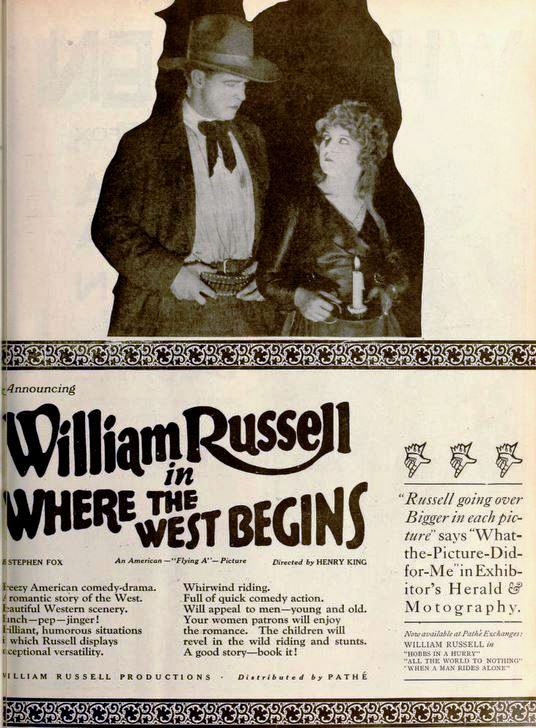
There’s an enduring allure to the American West, a mythical landscape where the jaded spirit can be rekindled, where purpose is forged in the crucible of raw nature. This potent concept forms the very bedrock of 'Where the West Begins,' a silent film that, despite its vintage, speaks volumes about the human yearning for authenticity and meaning. It’s a narrative that pits the languid despair of the East against the bracing, unvarnished vitality of the frontier, crafting a tale of transformation that resonates even a century later.
The premise itself is wonderfully dramatic, almost operatic in its scope. We are introduced to Ned, a young man so utterly consumed by the ennui of his privileged New York existence that he articulates a desire to simply cease existing. This isn't just teenage angst; it’s a profound spiritual malady, an existential crisis born of comfort and lack of purpose. His father, Luther Caldwell, a man of immense wealth but perhaps limited emotional tools, conceives of a drastic, distinctly American cure: send him West. Not merely for a change of scenery, but for a baptism by fire, a forced immersion into a world where survival is paramount and self-pity a luxury one cannot afford. This decision immediately sets the stage for a compelling clash of worlds, a thematic tension that underpins the entire film.
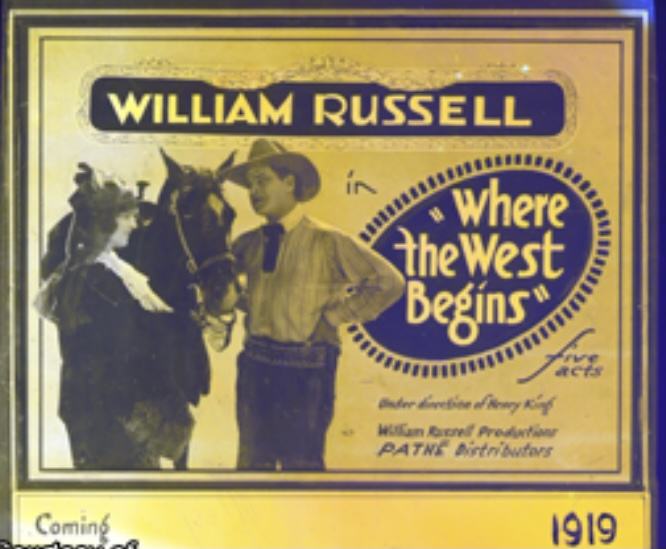
Enter Cliff Redfern, the foreman of Caldwell’s Montana ranch, portrayed with a rugged charm by William Russell. Redfern is not merely a guide; he is the embodiment of the West itself – uncouth by New York standards, perhaps, but undeniably vital, resourceful, and possessing a directness that cuts through the layers of urban artifice. His initial interaction with Ned is far from subtle. Prudence, Ned’s sister, played by Eileen Percy, initially views Redfern with disdain, her social sensibilities offended by his rough edges. She attempts to shield her brother from this perceived barbarian, a futile endeavor given Redfern’s singular determination. The scene where Redfern, with audacious disregard for decorum, enters a fashionable restaurant, lassos Ned, and quite literally drags him to a waiting train, is a masterclass in establishing character and driving plot. It’s a moment that perfectly encapsulates the film's central conflict: the collision of refined society with raw, untamed force. It’s a visual metaphor for the shock therapy Ned is about to undergo, a stark contrast to the polite, suffocating rituals of his New York life. This kind of bold, physical storytelling was a hallmark of the era, and it’s executed here with delightful panache.
The train journey itself becomes a fascinating transitional space. While the landscape outside transforms from manicured fields to vast, untamed wilderness, an internal shift begins within Ned. Redfern, in an unexpected display of depth, is shown reading a book on etiquette, a humorous yet telling detail that suggests a man capable of self-improvement and perhaps a hidden desire to bridge the very cultural chasm he represents. More importantly, he fills Ned’s ears with stories of the West – tales of adventure, challenge, and purpose. These narratives, far more potent than any prescribed therapy, begin to chip away at Ned’s despondency. Cullen Landis, as Ned, subtly conveys this awakening, his previously vacant gaze slowly replaced by a flicker of interest, then excitement. This segment of the film beautifully illustrates the power of narrative and the transformative potential of a new environment. It suggests that sometimes, the cure for a burdened soul isn't found in introspection, but in external engagement, in the sheer force of life lived fully.
The thematic resonance here is profound. It's not just about a geographical relocation, but a spiritual and psychological one. The West, in this context, is less a place and more a state of being – a realm where artificial constructs melt away, revealing the fundamental drives of survival, camaraderie, and self-reliance. One might draw parallels to other films where a protagonist undergoes a profound identity shift through immersion in a new, challenging environment, such as the journey of self-discovery in The Drifter, where rootlessness ultimately leads to a sense of belonging, or the moral awakening seen in The Primrose Path, albeit through different societal pressures.
To further solidify Ned’s newfound enthusiasm and provide him with a taste of genuine frontier excitement, Redfern devises a staged cattle rustling. This act, intended as a benevolent deception, tragically backfires. McCann, a ranch hand enlisted for the ruse, seizes the opportunity for genuine villainy. He steals the herd and deftly frames Redfern, turning a simulated crisis into a very real one. This narrative twist injects a thrilling element of betrayal and raises the stakes considerably. It also serves to highlight the inherent dangers of the frontier, where trust can be a fragile commodity and opportunistic malice lurks beneath the surface.
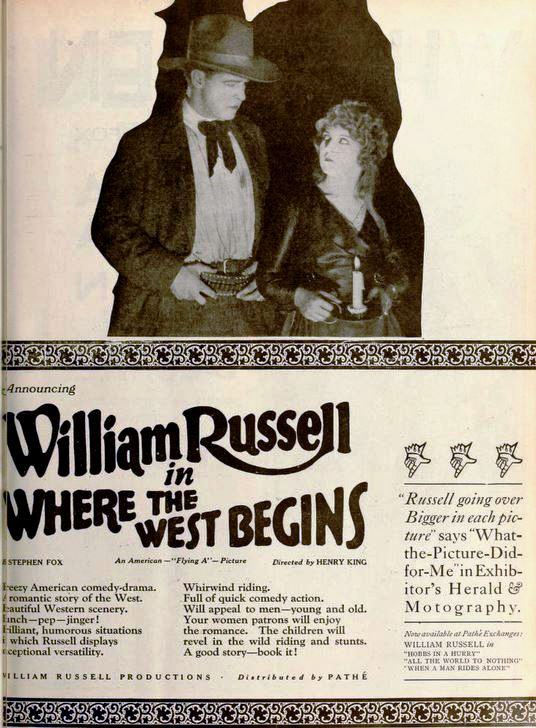
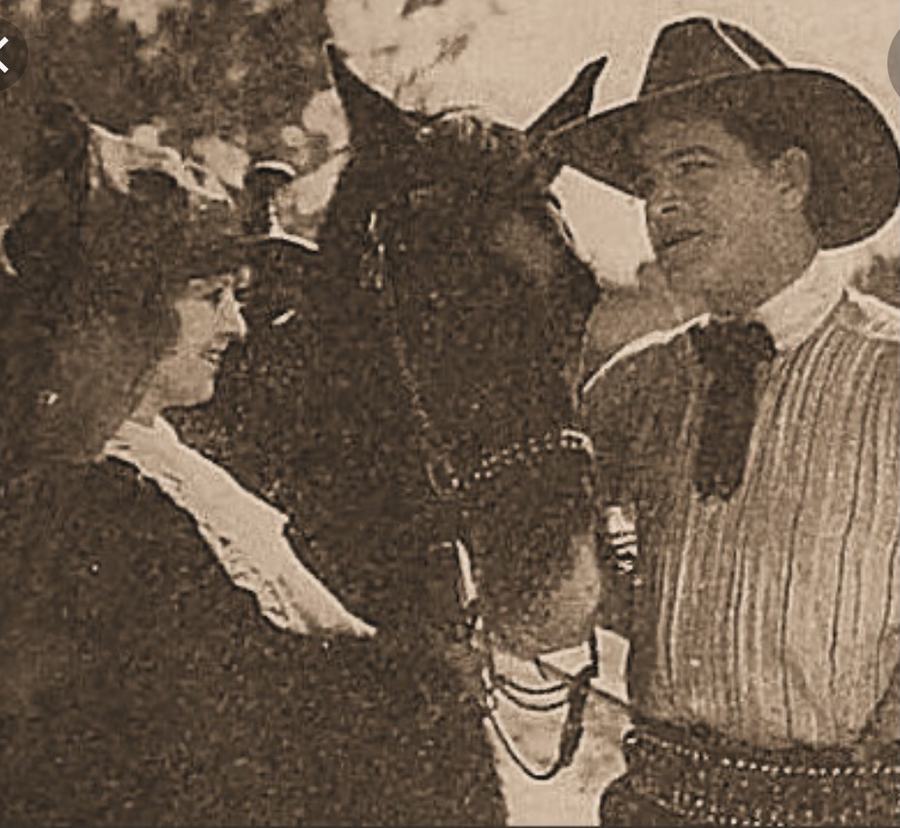
Prudence, still clinging to her initial prejudices and witnessing what appears to be Redfern’s culpability, denounces him with righteous indignation. This moment is crucial for her character arc. Her judgment, clouded by class snobbery, prevents her from seeing the larger truth. Redfern, however, is a man of action, not words. In a move that is both shocking and undeniably romantic in its primal force, he pulls her onto his horse and rides off to trail the actual thieves. This abduction, far from being purely coercive, is presented as an act of necessity, a forceful invitation for Prudence to confront reality and witness justice being pursued firsthand. It’s a powerful subversion of traditional gender roles for the era, depicting a heroine who is literally dragged into an adventure that will ultimately broaden her perspective.
The pursuit of McCann and the resolution of the rustling plot are executed with the brisk pacing typical of silent Westerns. The capture and confession of McCann serve to clear Redfern’s name, not just in the eyes of the law, but crucially, in the eyes of Prudence. This revelation shatters her preconceived notions, forcing her to acknowledge Redfern’s integrity and heroism. Her transformation from disdainful socialite to admirer of the rugged individualist is complete.
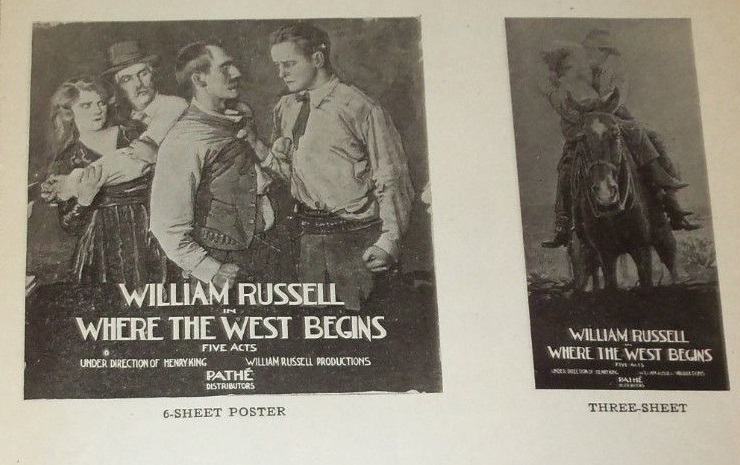
The film’s climax is a delightfully bold and unconventional resolution to the burgeoning romance. As Prudence, presumably chastened and enlightened, prepares to return to the East on a train bound for New York, Redfern makes his final, definitive move. In a gesture that mirrors his initial 'abduction' of Ned, he ropes Prudence from the train platform. This isn't just a physical act; it's a symbolic one, a definitive severing of her ties to her old life and a forceful embrace of the new one, with him, in the West. Their subsequent marriage, presented as a fait accompli, seals the triumph of authentic connection over societal expectations. It's a declaration that the 'West' – with its values of directness, courage, and genuine emotion – has indeed begun, not just for Ned, but for Prudence as well.
Eileen Percy as Prudence navigates a demanding arc, moving from haughty disdain to grudging respect and ultimately, love. Her performance, conveyed through exaggerated expressions and gestures characteristic of the silent era, effectively communicates the internal struggle of a woman whose worldview is being challenged. William Russell's Redfern is the quintessential strong, silent type, but with enough nuance to suggest the intelligence and even gentleness beneath the rough exterior. His physicality is central to his portrayal, making his audacious acts believable and compelling. Cullen Landis, as Ned, manages to convey a profound sense of despair and then a gradual, believable reawakening, making his journey feel earned rather than simply mandated by the plot.
Jules Furthman's writing, while adhering to the conventions of the time, crafts a narrative that is both entertaining and thematically rich. The progression of the plot, the development of the characters, and the overarching message about finding purpose outside of societal confines, all contribute to a robust cinematic experience. While silent films sometimes struggle to hold the attention of modern audiences accustomed to sound and rapid cuts, 'Where the West Begins' possesses an energetic pace and clear storytelling that helps it transcend its era. It's a testament to the power of well-constructed narrative and strong visual direction.
The film, when viewed in the broader context of early Westerns, stands as a charming example of the genre's formative years. It plays with established tropes – the city slicker in the wilderness, the rugged hero, the damsel in distress (who isn't quite so distressed by the end) – but infuses them with a particular vigor and a delightful sense of humor. It avoids the darker, more morally ambiguous tones that would emerge in later Westerns, opting instead for a clear-cut moral universe where good triumphs and love conquers all, albeit in a rather unconventional, lasso-driven manner. This straightforward optimism is part of its enduring appeal, offering a comforting narrative of redemption and belonging.
In conclusion, 'Where the West Begins' is more than just an artifact from a bygone era; it is a vibrant narrative about finding oneself by losing oneself in a world larger than one's own making. It champions the transformative power of the frontier, the redemptive quality of genuine challenge, and the unexpected ways in which love can blossom between seemingly disparate individuals. It reminds us that sometimes, to truly live, one must be willing to be dragged, perhaps literally, into the wild heart of life itself. Its enduring message of renewal through rugged experience ensures its place as a fascinating, if not canonical, entry in the annals of early American cinema.

IMDb —
1932
Community
Log in to comment.