DbcultAccessing Vault...
Cult Review
Senior Film Conservator
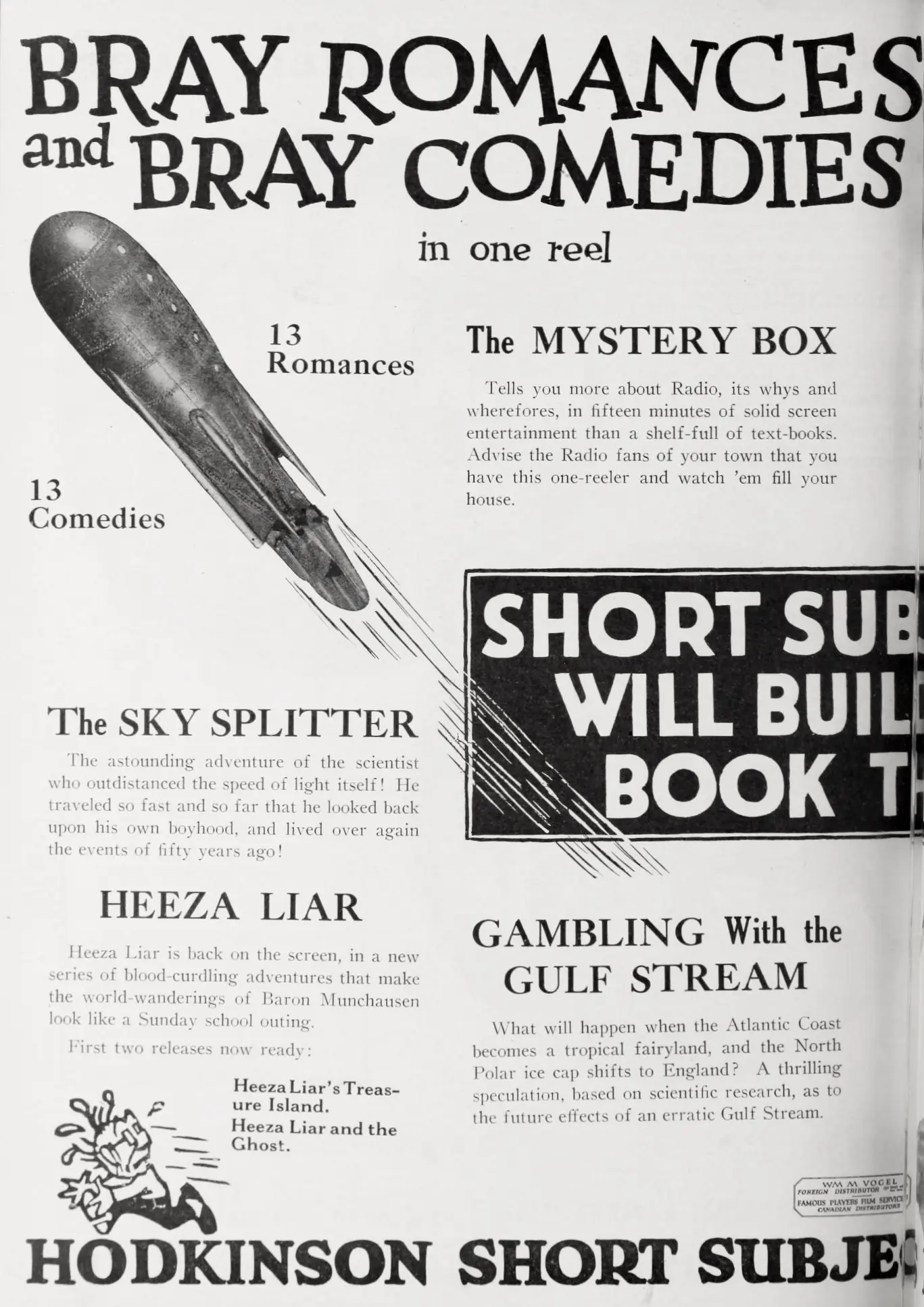
The cinematic landscape of the early 20th century was marked by a plethora of innovative and daring films, each seeking to push the boundaries of the medium and capture the imagination of the viewing public. Among these pioneering works is Colonel Heeza Liar and the Ghost, a captivating animated short that has stood the test of time, its clever blend of humor and wit continuing to enchant audiences to this day. As we delve into the world of this beloved film, it becomes readily apparent that the Colonel's irrepressible personality and the clever plot twists that drive the narrative are the key factors in its enduring success.
One of the most striking aspects of Colonel Heeza Liar and the Ghost is its masterful use of comedic timing, with each gag and prank meticulously crafted to maximize the comedic impact. The Colonel's initial confrontation with his creator, which culminates in the aforementioned paint jar incident, sets the tone for the rest of the film, showcasing the quick-witted and resourceful nature of the protagonist. As the story unfolds, the Colonel's antics become increasingly elaborate, involving a toy balloon, chiffon, and a healthy dose of cunning, all of which serve to outwit and befuddle the boys and the passing policeman.
In comparison to other films of the era, such as Séraphin ou les jambes nues and Who Chose Your Wife?, Colonel Heeza Liar and the Ghost stands out for its lighthearted and playful tone, which is expertly balanced by the more serious themes of creativity and rebellion. The film's use of animation, while rudimentary by modern standards, adds a charming and nostalgic quality to the proceedings, underscoring the sense of wonder and enchantment that defines the cinematic experience. Furthermore, the Colonel's character, with his mischievous grin and quick wit, serves as a precursor to later animated heroes, such as those found in Britain's Bulwarks, No. 1: Women Munitioners of England and Jess.
As we examine the film's place within the broader context of early 20th-century cinema, it becomes clear that Colonel Heeza Liar and the Ghost is more than simply a charming animated short; it is a testament to the power of creativity and the enduring appeal of well-crafted storytelling. The film's influence can be seen in later works, such as The Railroader and Fires of Conscience, which also feature plucky protagonists and clever plot twists. Moreover, the film's themes of rebellion and nonconformity, as embodied by the Colonel's antics, serve as a precursor to later cinematic movements, such as the avant-garde and experimental films of the 1920s and 1930s.
In addition to its historical significance and cinematic influence, Colonel Heeza Liar and the Ghost is also notable for its technical achievements, particularly in the realm of animation. The film's use of cutout animation, while primitive by modern standards, was a groundbreaking technique at the time of its release, and it adds a unique and captivating quality to the film. The animation is complemented by a clever use of camera angles and editing, which serves to enhance the comedic impact of the Colonel's antics and create a sense of tension and suspense.
The film's color palette, while limited by the technological constraints of the time, is also noteworthy, with a predominance of dark oranges and yellows that adds to the sense of warmth and nostalgia. The use of sea blue in the film's backgrounds and special effects serves to create a sense of depth and contrast, highlighting the Colonel's antics and underscoring the sense of wonder and enchantment that defines the cinematic experience. As we watch the Colonel navigate his world, using his cunning and wit to outwit his adversaries, we are reminded of the power of color and animation to create a sense of immersion and engagement.
As we consider the film's legacy and influence, it becomes clear that Colonel Heeza Liar and the Ghost is a film that continues to delight and entertain audiences, its clever blend of humor and wit remaining as captivating today as it was at the time of its release. The film's historical significance, cinematic influence, and technical achievements all serve to underscore its importance as a landmark of early 20th-century cinema, and its enduring appeal is a testament to the power of well-crafted storytelling and the importance of preserving our cinematic heritage. Whether viewed as a charming animated short, a pioneering work of cinematic innovation, or a cultural artifact of the early 20th century, Colonel Heeza Liar and the Ghost is a film that continues to captivate and inspire audiences, its influence extending far beyond the realm of cinema to touch upon our broader cultural and historical consciousness.
In conclusion, Colonel Heeza Liar and the Ghost is a film that is not to be missed, its unique blend of humor, wit, and cinematic innovation making it a must-see for film enthusiasts and scholars alike. As we continue to navigate the complex and ever-changing landscape of modern cinema, it is films like Colonel Heeza Liar and the Ghost that serve as a reminder of the power of cinema to capture our imagination, to inspire our creativity, and to touch our hearts. Whether viewed as a work of art, a cultural artifact, or a historical document, Colonel Heeza Liar and the Ghost is a film that will continue to delight, entertain, and inspire audiences for generations to come, its influence extending far beyond the realm of cinema to touch upon our broader cultural and historical consciousness.
IMDb —
1921
Community
Log in to comment.