DbcultAccessing Vault...
5.8/10
Senior Film Conservator
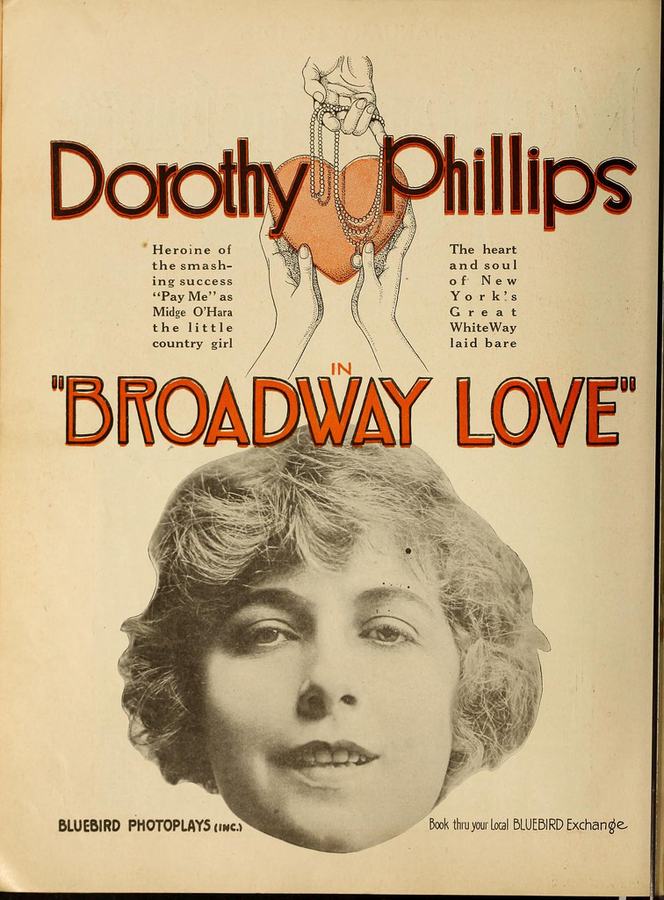
A definitive 5.8/10 rating for a film that redefined the boundaries of cult cinema. Broadway Love remains a cornerstone of transgressive art.
The year 1918, a world still reeling from global conflict yet hurtling towards a new era of social upheaval and cultural liberation, bore witness to the release of Broadway Love. This cinematic artifact, a melodrama steeped in the anxieties and allure of early 20th-century urban life, offers more than just a glimpse into a bygone era; it presents a vivid, albeit often cautionary, tale of dreams clashing with stark realities. At its heart lies the perennial narrative of the innocent provincial soul swallowed, or nearly swallowed, by the voracious maw of the metropolis. But to dismiss it as a mere trope would be to overlook the nuanced performances and the surprisingly potent societal critique embedded within its frames.
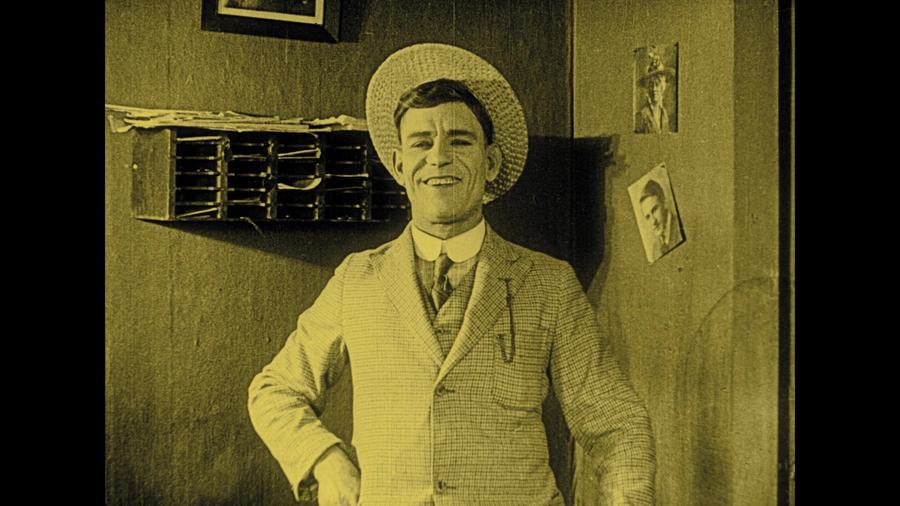
Our protagonist, Elsie (portrayed with a compelling blend of naiveté and burgeoning resilience by Dorothy Phillips), embodies the quintessential small-town girl, eyes wide with the promise of New York City. Her pilgrimage is not merely geographical; it's an aspirational journey towards the dazzling lights of Broadway, a stage where she envisions herself not just performing, but truly living. Yet, the grandiosity of her dreams quickly dissipates under the harsh glare of reality. Broadway, it turns out, is a formidable fortress, and Elsie finds her place not among the stars, but within the ranks of the anonymous chorus girls, a cog in the vast, impersonal machinery of commercial entertainment. This initial setback, a crushing blow to her idealism, serves as the narrative’s pivotal turning point, propelling her from the innocent pursuit of art to the more perilous pursuit of belonging and escape.
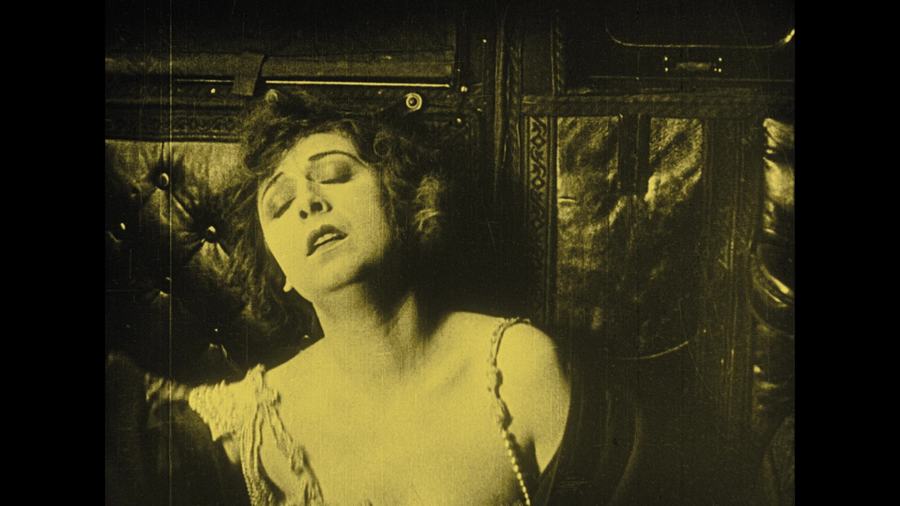
The city, as depicted in Broadway Love, is not merely a backdrop; it is a character in itself – seductive, dangerous, and utterly transformative. Elsie's vulnerability in this new environment makes her ripe for the influence of the 'fast' crowd, a coterie of urban sophisticates whose lives revolve around lavish parties, illicit thrills, and a distinct disregard for conventional morality. At the epicenter of this hedonistic swirl is Cherry Blow (Juanita Hansen), a character whose very name suggests a fleeting, perhaps explosive, allure. Hansen imbues Cherry with a captivating recklessness, a woman who navigates the city's underbelly with an almost predatory confidence. She is the serpent in Elsie's Eden, offering not an apple, but a potent cocktail of social acceptance and material indulgence. This dynamic, reminiscent of the moral quandaries explored in films like The Lesson, highlights the perilous education of youth in a world far removed from their sheltered upbringing.
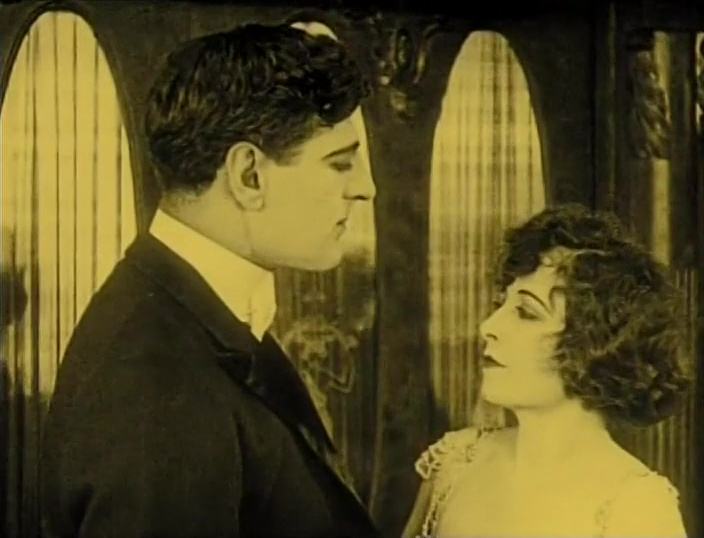
The parties themselves are cinematic spectacles, a vibrant tableau of jazz-infused decadence, where inhibitions are shed as easily as coats. These scenes are crucial, not just for their visual dynamism, but for their thematic weight. They represent the gauntlet Elsie must run, a test of her moral fortitude against the intoxicating pull of wealth and pleasure. The 'horny millionaires' who populate these gatherings are less individual characters and more archetypes of a corrupting class, their desires facile and their intentions transparently self-serving. They are the wolves in tailored suits, circling the vulnerable lamb, Elsie, whose small-town values are slowly eroded by the relentless pressure to conform to this new, morally ambiguous world. This portrayal of urban corruption and the seduction of wealth finds echoes in other period dramas that delve into societal decay, though perhaps with less overt sensationalism than Broadway Love.
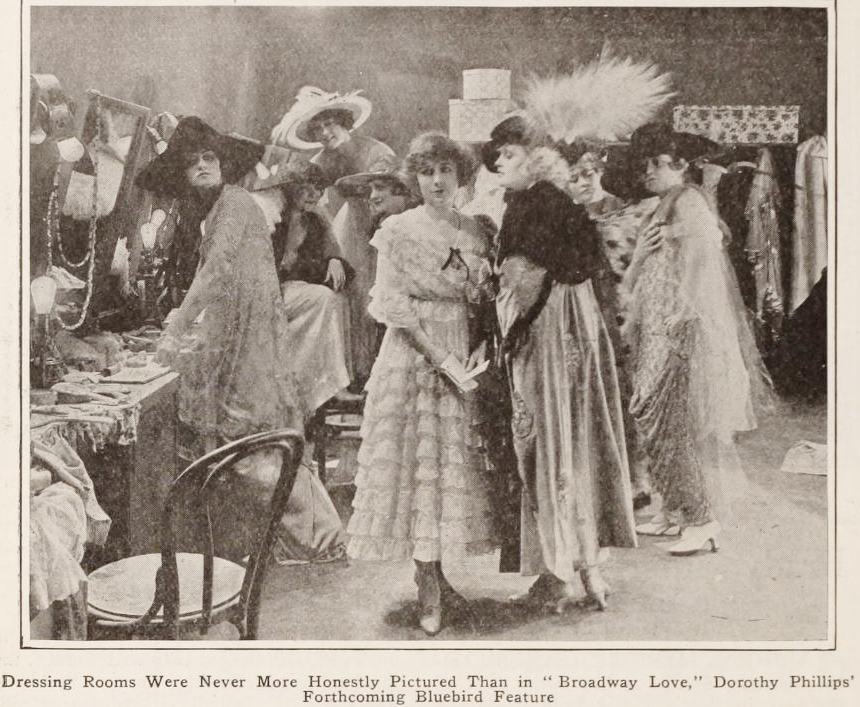
No discussion of Broadway Love would be complete without acknowledging the presence of Lon Chaney, even in what might be considered a supporting role. As Demetrios, the Greek café owner, Chaney brings his characteristic intensity and nuanced physicality to a character that could have easily been a caricature. While not the film's central antagonist, Demetrios embodies a different facet of the city's underbelly – perhaps a more grounded, yet equally dangerous, element. Chaney, renowned for his transformative performances and his ability to convey profound psychological depth through gesture and expression, elevates every scene he inhabits. His Demetrios is not overtly villainous in the same vein as the 'horny millionaires,' but rather a figure shrouded in a certain world-weariness and opportunistic drive, a man who understands the transactional nature of the city's social fabric. His performance, even in its relative brevity, serves as a masterclass in silent film acting, reminding us why he earned the moniker 'The Man of a Thousand Faces.' His ability to inject menace or pathos with just a glance or a subtle shift in posture is unparalleled, a stark contrast to the broader strokes often employed in melodramas of the era. One can draw parallels to the raw, visceral portrayals of struggle and survival seen in films like The Struggle, where human nature is laid bare under duress, a thematic resonance Chaney often explored.
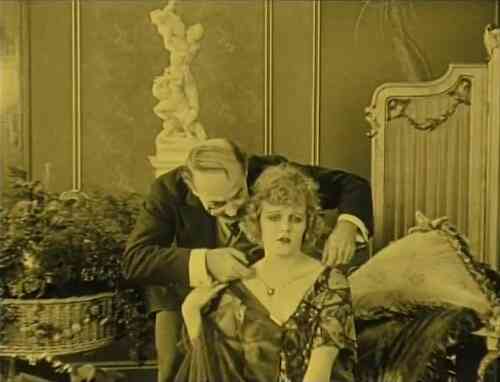
The narrative’s tension escalates dramatically with the unexpected arrival of Ted (William Stowell), Elsie's steadfast boyfriend from back home. Ted represents everything Elsie has ostensibly left behind: innocence, stability, and an uncomplicated, genuine love. His appearance, an almost idyllic vision of rural virtue stepping into the urban inferno, forces Elsie to confront the stark dichotomy between her past and her rapidly evolving present. His intention – to marry her and whisk her away from the perceived dangers of city life – acts as a catalyst, plunging Elsie into a profound moral dilemma. Does she embrace the fleeting glamour and questionable ethics of her new life, or does she retreat to the comforting certainty of her roots? This internal struggle is the emotional core of Broadway Love, a battle between the allure of superficial sophistication and the enduring value of authentic connection. The film, through Elsie's predicament, explores the idea of a 'recoil' from a path of potential ruin, much like the thematic journey implied by a film such as The Recoil, where characters are forced to confront the consequences of their choices.
The filmmakers, W. Carey Wonderly and Ida May Park, craft a narrative that, while perhaps melodramatic by modern standards, was undoubtedly potent for its contemporary audience. The script navigates themes of female agency, urban corruption, and the eternal conflict between ambition and virtue with a surprising degree of frankness for the era. The portrayal of Cherry Blow, in particular, challenges conventional depictions of women, presenting a character who is both alluring and morally ambiguous, a 'party girl' who operates outside the strictures of polite society. This was a bold choice, reflecting the shifting social landscape of the early 20th century where traditional gender roles were beginning to be questioned. Elsie's journey from wide-eyed ingenue to a woman grappling with complex moral choices resonates with the struggles of other female protagonists navigating difficult societal expectations, albeit in different settings, such as those found in The Girl of the Golden West or even the literary adaptations like The Mill on the Floss, where women often find themselves at the mercy of societal tides.
The visual language of Broadway Love is typical of its time, relying heavily on expressive acting, intertitles, and carefully composed shots to convey emotion and narrative progression. The contrast between the presumed innocence of Elsie’s hometown and the bustling, often chaotic, energy of New York is effectively rendered through set design and cinematography. The opulent party scenes, with their swirling dancers and shadowed corners, are particularly effective in creating an atmosphere of both excitement and danger. Dorothy Phillips, as Elsie, carries the emotional weight of the film with remarkable grace, her facial expressions and body language conveying the spectrum of her character's internal turmoil – from wide-eyed wonder to profound despair and eventual resolve. Her performance is a testament to the power of silent acting, where every gesture and gaze must speak volumes.
Beyond its melodramatic trappings, Broadway Love serves as a valuable historical document, reflecting societal anxieties about urbanization, changing moral codes, and the burgeoning independence of women. It’s a film that asks pertinent questions about the true cost of ambition and the definition of a 'good life.' Is it the glittering, but ultimately hollow, promise of urban success, or the quieter, more profound fulfillment found in genuine human connection? The answer, while perhaps predictable for a film of this era, is delivered with enough dramatic flair and compelling performances to keep the audience engaged. The journey of self-discovery and the choices made under pressure resonate with the archetypal struggles of characters in films like The Savage, where individuals grapple with their true nature amidst external pressures, or the determination seen in The Stubbornness of Geraldine.
The film’s exploration of moral ambiguity, particularly through Cherry Blow and the 'horny millionaires,' provides a fascinating counterpoint to Elsie's initial purity. It suggests that the city itself is a crucible, testing the mettle of those who dare to seek their fortunes within its confines. The narrative ultimately champions a return to virtue, but not without acknowledging the powerful temptations that lead characters astray. It’s a classic morality play, but one infused with the nascent energy and social commentary of the silent film era. The enduring appeal of such narratives lies in their timeless depiction of human frailty and resilience, a central theme also found in the metaphorical 'heart' of a hero's journey in The Heart of a Lion.
In conclusion, Broadway Love, while perhaps not as widely remembered as some of its silent contemporaries, holds significant value for film historians and enthusiasts alike. It offers a captivating narrative, anchored by strong performances from Dorothy Phillips and the inimitable Lon Chaney. The film's depiction of New York as a place of both dreams and dangers, its exploration of female independence, and its moral quandaries, all contribute to a rich cinematic experience. It is a testament to the power of early cinema to not only entertain but also to reflect and comment upon the rapidly changing world of its time. Its enduring themes of innocence lost, redemption found, and the perennial struggle between ambition and integrity ensure its place as a compelling, if sometimes overlooked, piece of cinematic history. The film's ability to encapsulate the spirit of an age, much like historical dramas such as Tsar Nikolay II captures a monarch's final days, lies in its vivid portrayal of a specific cultural moment. It reminds us that while the technologies of filmmaking evolve, the fundamental human stories remain eternal, continuously finding new expressions and interpretations across the vast landscape of cinematic art.
IMDb 6.7
1923
Community
Log in to comment.