DbcultAccessing Vault...
6.4/10
Senior Film Conservator
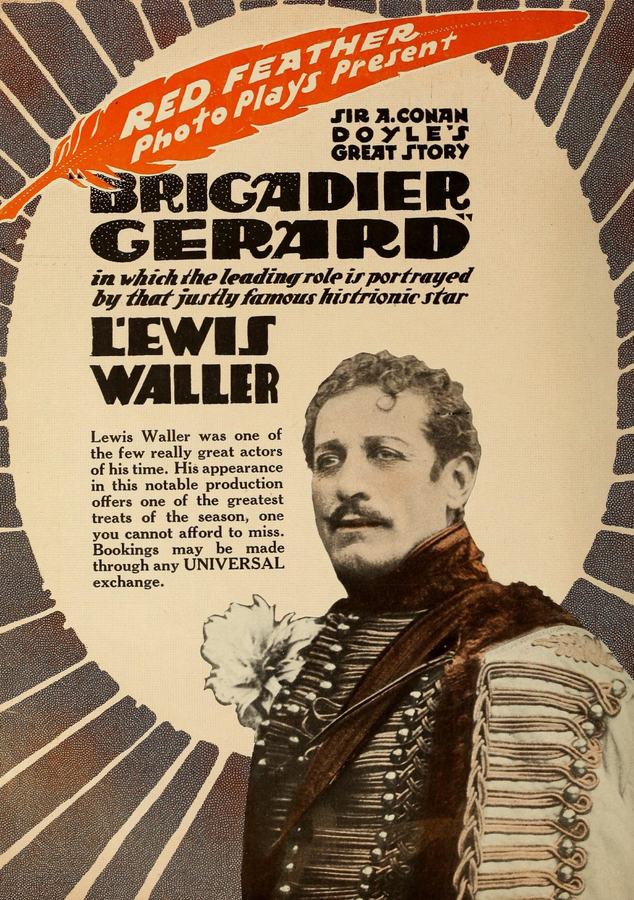
A definitive 6.4/10 rating for a film that redefined the boundaries of cult cinema. Brigadier Gerard remains a cornerstone of transgressive art.
Imagine, if you will, a nitrate reel hissing through a carbon-arc lamp, the image fluttering like a startled lark: Paris, 1805, corsets cinched tighter than state secrets, and a captain whose moustache wax has known more duels than most men have handshakes. Brigadier Gerard—a one-reel juggernaut clocking in at a brisk seventeen minutes—feels like stumbling upon a lost stanza of Byron that somebody absent-mindedly spliced into motion picture form.
But do not presume brevity equates to slightness. Within its slender runtime, the film crams a picaresque gallop through Napoleonic myth-making: the titular hussar tasked with safeguarding the Emperor’s clandestine correspondence while Paris simmers with royalist conspirators and the Directorate’s spies slink along alleyways like feral cats. Directors R.F. Symons and Lewis Waller (also essaying Gerard) translate Conan Doyle’s jaunty prose into brisk visual shorthand—cross-cut carriage chases, silhouetted sword-crossings, and iris-out winks that feel almost proto-Kuleshovian.
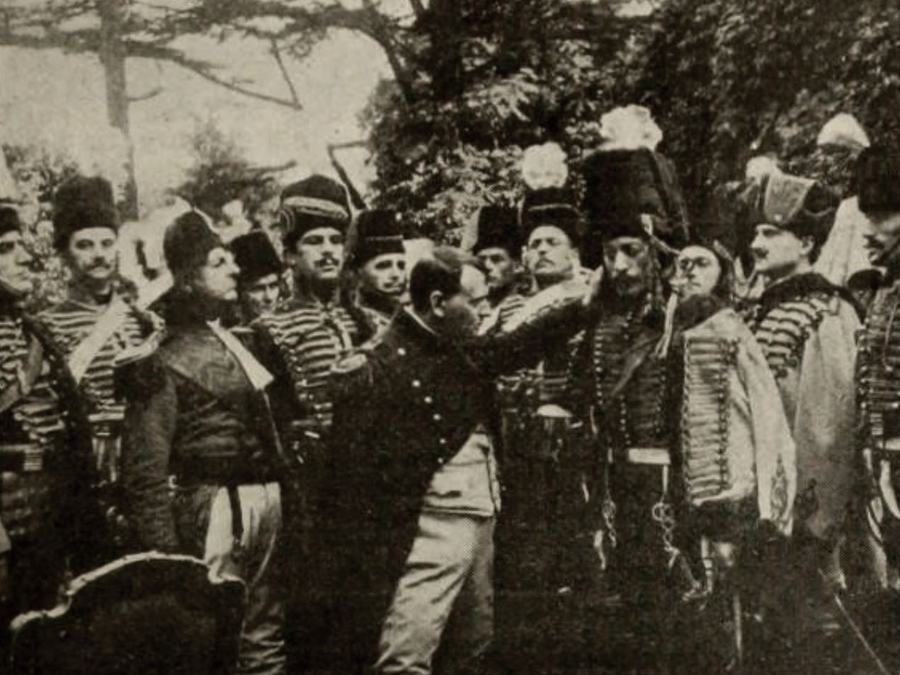
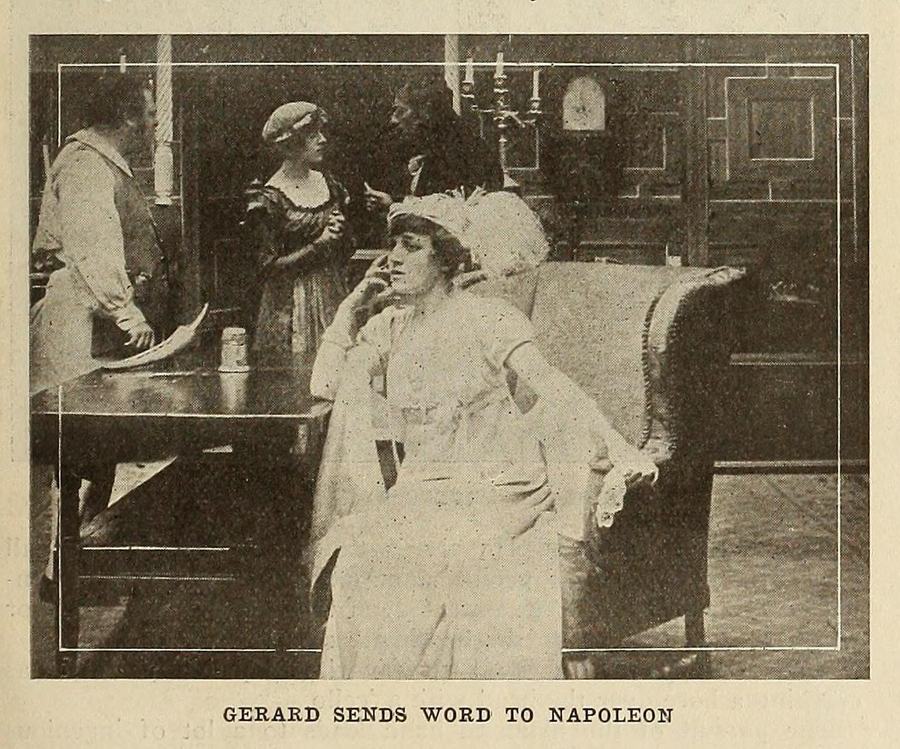
The surviving print—blessedly intact at BFI’s nitrate vault—reveals cinematographer A.E. George framing candlelit interiors with proto-noir chiaroscuro. Notice how the Countess’s pearl choker gleams with the same spectral luminescence as the incriminating dispatch; production design converts jewellery into storytelling syntax. Compare this visual thrift to the monumentalism of The Golem or the muddy verisimilitude of On the Belgian Battlefield, and you’ll appreciate how British filmmakers mined spectacle from fiscal stringency.
Waller’s Gerard channels equal parts cocksure beau sabreur and self-mocking fop; watch the micro-shift in his gaze when he realises the Countess has pickpocketed his dispatch—astonishment melts into grudging admiration within a single frame. Opposite him, Blanche Forsythe eschews damsel tropes, letting her eyes perform covert calculations beneath a veneer of flirtatious levity. The duo’s chemistry crackles like early static electricity, a reminder that silent cinema’s greatest asset was the close-up: an intimate economy of gesture where a lifted eyebrow could unspool paragraphs.
“He fought, he loved, he rode like the devil—and all before breakfast.”
— Contemporary trade advert, The Bioscope, 1912
Rowland Talbot’s adaptation condenses Conan Doyle’s multi-chapter serial into a triptych: Assignment, Betrayal, Redemption. Each act pivots on a prop: the leather satchel embossed with imperial bees. Notice how the same satchel reappears in three distinct colour temperatures—moonlit blue, tallow orange, gun-metal grey—signifying shifting political temperatures. Such chromatic coding predates The Black Box’s symbolic morbidity by a full two years, evidencing Britain’s nascent grasp of visual semiotics.
While the original score is lost, archival cue sheets suggest a brisk galop for chase sequences and a lilting waltz for the Countess’s soirée. Today’s restorations often pair the film with newly commissioned fortepiano motifs; I recommend the BFI’s 2019 arrangement—its percussive crescendos sync with hoof-beats so precisely you’ll swear you smell equine sweat.
Stack Brigadier Gerard beside A Study in Scarlet and you witness Conan Doyle’s bifurcated imagination: rationalist London fog versus gallant Gallic skylarks. Both reveal the author’s obsession with information—detective clues here transmuted into geopolitical dispatches. Conversely, contrast its nimble escapism with the moral heaviness of For King and Country; Gerard’s derring-do feels almost refreshing, a cinematic sorbet between courses of Edwardian social critique.
Modern viewers might bristle at initial trappings of chivalry—yet Forsythe’s Countess engineers the final switcheroo, secreting the genuine dispatch within her bustle while handing Gerard a dummy folio. The film thus smuggles proto-feminist agency beneath period petticoats, much as Dolly of the Dailies would later champion female reportage.
Despite its obscurity, echoes reverberate: George MacDonald Fraser admitted he lifted tonal DNA for his Flashman romps; even the BBC’s 1970s Sharp series owes Gerard a debt of plume-sporting irreverence. The film streams via BFI Player in a 2K scan, accompanied by a scholarly commentary that dissects every ribbon and epaulette. Physical media aficionados can snag the out-of-print British Silent War Collection Vol. 3; expect auction prices north of £60, but the disc’s booklet alone—replete with production memos—justifies the splurge.
Brigadier Gerard is no relic; it is a kinetic oil-sketch of Empire ego, a celluloid snuffbox wafting ambergris and gunpowder. Its pleasures lie not in narrative convolution but in the frisson of witnessing a medium discover its own musculature. Watch it once for historical curiosity, twice for compositional bravura, thrice for the sheer joy of seeing gallantry survive the guttering candle of time.
IMDb 6.6
1933
Community
Log in to comment.