DbcultAccessing Vault...
Cult Review
Senior Film Conservator
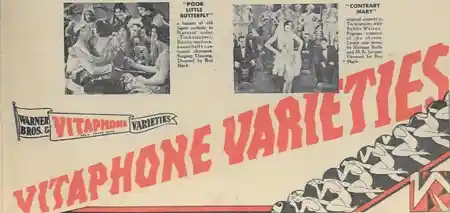
So, Contrary Mary. If you're someone who loves digging into those quiet, almost forgotten character studies, especially from way back when, this one might actually surprise you. It’s got this stubborn charm that feels really specific to its time.
But look, if you need fast pacing or characters that talk a mile a minute, you're going to find it a real drag. Anyone hoping for big dramatic twists or a clear-cut hero's journey should probably just skip it. This is more for the patient observer, the one who enjoys watching tiny rebellions unfold.
The film, I think, really hinges on Evelyn Hayes as Mary. She doesn't say much, obviously, but her expressions do so much work. There's this one moment, she’s just sitting there, staring out a window, and you can practically feel her thinking about something way beyond the room. Her eyes hold so much. It's not a performance that screams, but it definitely _lingers_.
Mary isn't some loud rebel, you know? She just... doesn't quite fit. You see it in the way she carries herself, a slight stiffness when she’s around others, like she’s wearing a coat that’s a size too small. Or maybe everyone else is wearing coats that are too big for them.
There's a scene, early on, with Bobby Watson's character, maybe a suitor or someone trying to tell her what to do. He’s all bluster and grand gestures. Mary just gives him this _look_. Not angry, not even dismissive, just this quiet, knowing glance. It’s powerful because it’s so understated. The movie relies on these little moments, letting them breathe.
Sometimes, the film goes on about 10 seconds too long on a shot, and you wonder if it’s an artistic choice or just the pacing of the era. But then, sometimes, that extra beat actually makes you lean in a little more. You start to notice the small details in the background, a shadow moving just so.
Vera Marshe, playing what seems like the more conventional woman in Mary’s orbit, is interesting. Her role feels almost like a mirror, showing what Mary could be, or what society expects her to be. The contrast is clear without needing a single word spoken between them.
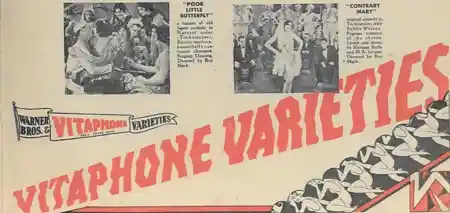
The sets are simple, often just a few pieces of furniture. But they feel lived in. There’s a kitchen scene, and you can almost imagine the smell of something cooking, even in black and white, silent film. The props aren't just props; they feel like part of the world.
One thing that sticks with me is Mary's hands. Always busy, always doing something. Fidgeting with a teacup, smoothing out a dress. It’s a small detail, but it speaks volumes about her inner restlessness, her inability to just be still and conform. It’s a very human touch.
Bobby Burns Berman’s character feels a bit more one-note, a classic 'stern authority figure.' He mostly just frowns and paces. Not a lot of nuance there, but then again, he’s there to represent the thing Mary is pushing against, right? So maybe that’s the point.
The ending, without giving anything away, doesn't tie everything up neatly. It feels… open. Like Mary’s journey isn’t over, just this particular chapter. Which, honestly, is kinda refreshing for a film of this vintage. You expect a moral, a lesson learned, but it’s not really there. It just is.
You can almost feel the movie trying to convince you this quiet defiance matters. And it does. It really does. It's a snapshot of a particular kind of woman, a particular kind of struggle, that still resonates, even if the world around her has vanished.
It’s not perfect. Some scenes do drag. And if you’re not used to silent film acting, some of the broader gestures might feel a little much. But there’s a genuine heart beating here. It's not a grand epic, but a very personal, _intimate_ story.
I left thinking about Mary and her quiet stubbornness. It’s the kind of film that sneaks up on you, not with explosions, but with a lingering feeling. Definitely worth a look if you’re in the mood for something slow, reflective, and a little bit different.
IMDb —
1916
Community
Log in to comment.