DbcultAccessing Vault...
Cult Review
Senior Film Conservator
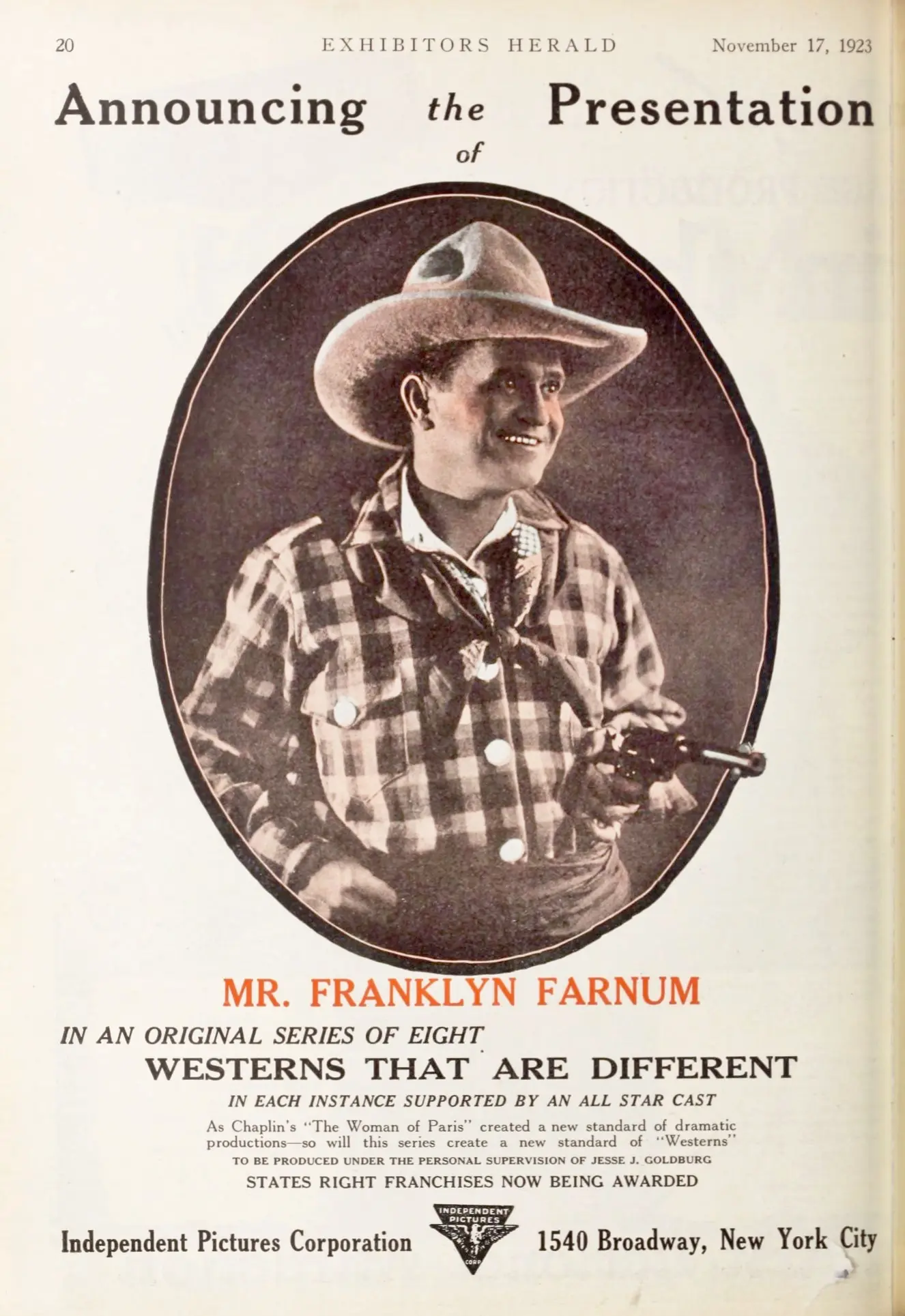
Upon stepping into the world of “Crossed Trails,” one is immediately enveloped by a dense atmosphere of intrigue and tension. The film, directed with a keen eye for historical accuracy and storytelling, transports viewers to a bygone era where stagecoaches and bandits were the defining elements of a landscape fraught with danger and uncertainty.
The plot unfolds as Agent Tom Morgan (played by J.P. McGowan) is summoned to investigate a series of stagecoach robberies that have recently plagued the region. The stakes are high, and Morgan knows that solving these crimes is not merely about safeguarding the stagecoach line’s reputation but also about maintaining public trust and ensuring the safety of the communities that depend on these services.
The narrative is further enriched by the revelation that the area where the robberies are occurring is the same region where Morgan’s long-lost mother was last reported to be. This personal connection adds a layer of emotional depth to the story, forcing Morgan to confront his past and the unresolved questions surrounding his parentage.
The film’s cast delivers compelling performances, particularly J.P. McGowan as Agent Morgan, who navigates his dual roles as investigator and son with a nuanced authenticity. Alyce Mills and Buck Black add significant weight to the proceedings, their portrayals of the local community leaders and potential suspects providing a textured backdrop against which the central mystery unfolds.
The screenplay, penned by James Ormont and Agnes Parsons, is a masterclass in pacing and suspense. It seamlessly intertwines the procedural elements of the investigation with the personal drama of Morgan’s search for his identity. The script deftly balances action and drama, ensuring that the audience remains engaged from beginning to end.
The visual aesthetic of “Crossed Trails” is a testament to the filmmakers’ commitment to authenticity. The stagecoach scenes, filmed with meticulous attention to detail, evoke a sense of nostalgia and historical accuracy. The cinematography captures the rugged terrain and the claustrophobic interiors of the stagecoaches, heightening the tension and immersing the viewer in the narrative.
One of the film’s strengths lies in its ability to create a sense of unease and suspense. The robberies are depicted with a gritty realism, and the fear of the unknown is palpable. The climactic scenes, where Morgan confronts the culprits, are particularly intense and satisfying, offering a satisfying resolution to the central mystery while leaving room for speculation about the nature of the bandits’ motives.
“Crossed Trails” also excels in its character development. Each character, from the overbearing sheriff to the enigmatic bandits, is fleshed out with depth and complexity. This richness in character allows for a multi-faceted exploration of themes such as loyalty, family, and justice.
Compared to other films of the era, such as “The Wood Nymph” or “The Garden of Weeds,” “Crossed Trails” stands out for its blend of historical authenticity and compelling narrative. While these films often focus on romance or rural life, “Crossed Trails” brings a fresh perspective to the genre, offering a richer tapestry of storytelling.
In conclusion, “Crossed Trails” is a captivating film that successfully blends mystery and drama with a historical setting. Its strong performances, well-crafted screenplay, and atmospheric visuals make it a standout in its genre. It is a must-watch for fans of classic American cinema and those who appreciate a well-told tale of intrigue and family.
IMDb 6.1
1933
Community
Log in to comment.