DbcultAccessing Vault...
6/10
Senior Film Conservator
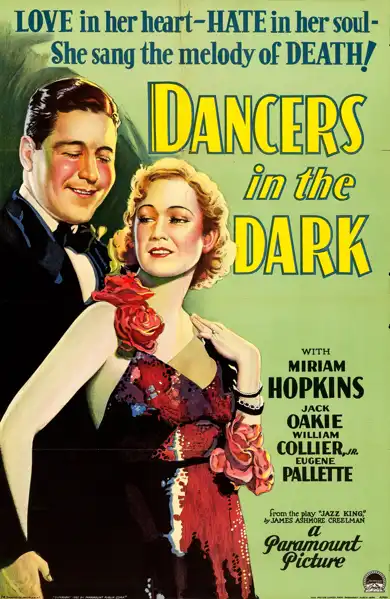
A definitive 6/10 rating for a film that redefined the boundaries of cult cinema. Dancers in the Dark remains a cornerstone of transgressive art.
So, is Dancers in the Dark worth digging up today? Probably not for most folks, unless you're really into seeing every single film from a certain era. It's one of those movies that collectors might appreciate for its quirks, but casual viewers might find themselves checking the time.
If you love early talkies with a bit of a rough edge, and don't mind a plot that meanders like a drunkard trying to find his keys, you might get a kick out of it. Anyone expecting crisp dialogue or modern pacing will probably be pretty annoyed.
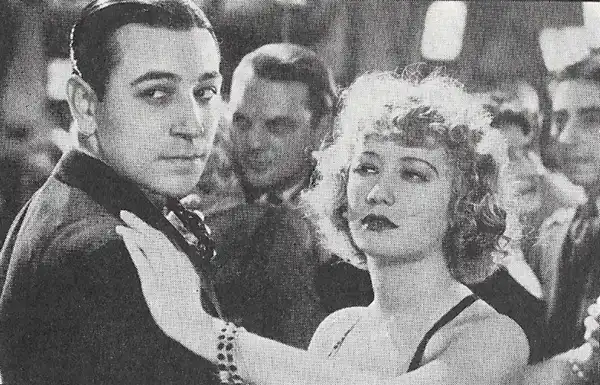
The whole thing kicks off with Jack Oakie playing Gus, a bandleader who's got a crush on this dancer, Gloria, played by Miriam Hopkins. Her current beau, a trumpet player named Rufe (William Collier Jr.), is in the way. So Gus schemes to get Rufe out of town. It’s a classic setup for sure. 🤷♀️
Oakie is doing his usual cheerful, slightly bumbling thing here. He’s got that energy. But then the gangster element gets thrown in, and it's George Raft as Monk. Raft, even early on, had that specific way of just *being* there, menacing but quiet. He's not quite the smooth operator you’d see later, but the vibe is there.
Miriam Hopkins is the real standout, honestly. She gives Gloria a kind of quiet strength, even when she’s just reacting to these men pulling her in different directions. You can see her trying to make sense of the nonsense around her. She often feels like the only grounded person in the room.
There's this one scene where Gus is trying to explain his whole convoluted plan to Rufe, getting him to leave town for a gig. The camera just kind of sits there, letting Oakie ramble. It goes on a bit too long, and you almost feel the movie trying to convince you this moment matters more than it actually does.
The musical numbers, oddly enough, are pretty forgettable. For a movie called Dancers in the Dark, you’d expect some real pizzazz, right? But they just kind of… happen. There's one where Eduardo Durant's Rhumba Band plays, and it's fine, but it doesn't *pop*. It’s more background noise than a showstopper.
George Raft's character, Monk, has this really understated presence. He doesn't yell much; he just *stares*. It’s effective. He doesn’t need to say much to make you believe he’s trouble. The way he just leans against a doorframe, watching Gloria dance, is actually pretty chilling. It’s a good example of how early films could build tension with very little.
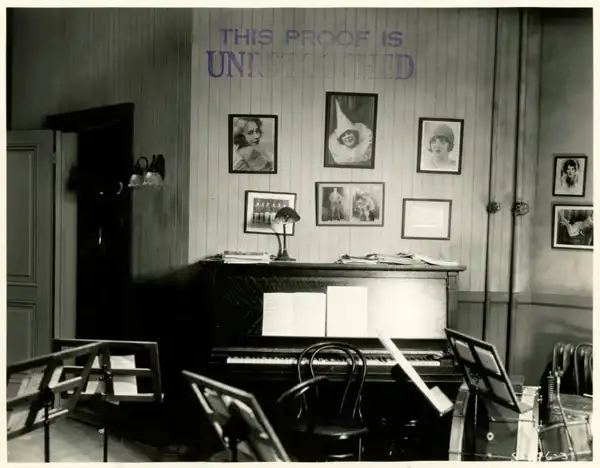
The writing, with Herman J. Mankiewicz as one of the names involved, occasionally has a snappy line, but mostly it's just functional. It's not the witty banter you might hope for. It gets the job done, but it doesn't sparkle.
Eugene Pallette, playing a cop, is always a welcome sight. He’s got that distinctive gruff voice and usually brings a bit of comic relief, even if his role here is minor. His interactions feel a little more natural than some of the other characters. Like, he’s just a guy doing his job.
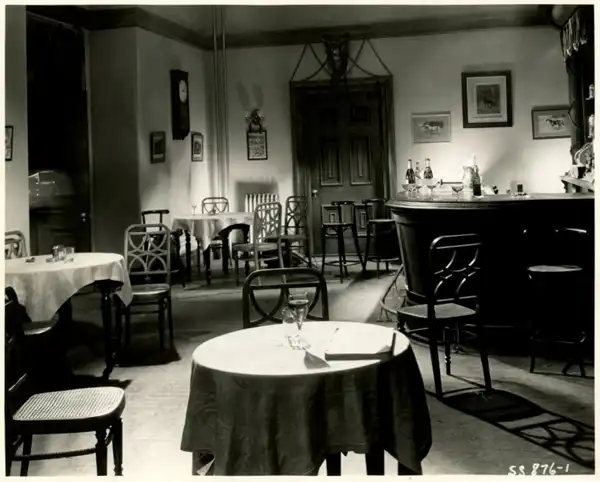
The ending feels a bit rushed, almost like they realized they were running out of film and needed to wrap things up. Everything kind of resolves itself a little too neatly after all the messy drama. It leaves you with a feeling of, "Oh, okay, that happened." No big emotional punch. No lingering thoughts.
Overall, Dancers in the Dark is a curious artifact. It's got some interesting performances, especially from Hopkins and Raft, but the story never quite catches fire. It’s more of a flicker. If you're a film historian, or just love seeing how these early talkies tried to figure things out, give it a shot. Otherwise, there are plenty of other forgotten gems out there that shine a little brighter. ✨
IMDb —
1915
Community
Log in to comment.