DbcultAccessing Vault...
Cult Review
Senior Film Conservator
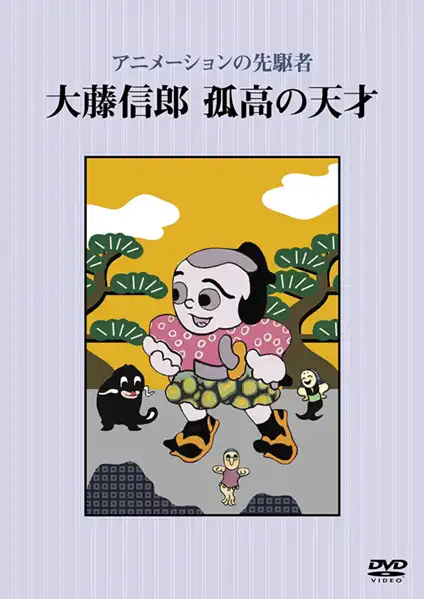
Alright, so you've stumbled upon Numa no taisho. If you’re looking for a fast-paced, action-packed thrill ride, turn away now. Seriously, like, right now. This one’s for the folks who really dig into early animation, those who appreciate the quirks and bold choices made when the medium was still figuring itself out. If you’re someone who loves old films, especially the hand-drawn kind, you might just find a weird little treasure here. Everyone else? You’ll probably just wonder what all the fuss is about. It's a bit like watching a dream, maybe a slightly unsettling one.
The first thing you notice is the look. It’s got that specific kind of texture, almost like a moving charcoal drawing at times, especially in the water reflections. The marsh itself feels alive, not just a static backdrop for the action.
The 'Lord' character, the Numa no taisho himself, is… something else. Not what you’d expect from a 'ruler.' He’s got these huge, almost unblinking eyes that just stare out from what looks like a shadowy, amorphous body. And there’s maybe a strange sort of crown, not shiny gold, but more like organic growths on his head. He barely moves throughout the whole thing, more like he *presides* over everything, a silent watcher in his murky domain. It’s a really bold choice, making your main character so… still. You really have to lean in to feel his presence.
There's this one sequence, quite early on, where a tiny, almost invisible bird flits across the screen. It’s gone in a blink. But the way the light catches its wings, even for a second, it just sticks with you. A little moment that feels oddly important.
Pacing is super deliberate. Like, really deliberate. You get long stretches of just the marsh doing its thing – reeds swaying, bubbles rising. It makes you slow down too, whether you want to or not. A lot of modern films could learn from this kind of patience, even if it feels a bit slow sometimes.
You can almost feel the animator's hand in every single frame. It's not slick or smooth like today's stuff. There's a certain roughness, a handmade quality that’s actually quite charming. It’s a reminder of a different era of filmmaking.
A little frog pops up more than once. Just observing, sitting on a lily pad, totally chill. One reaction shot of it just *stares* for what feels like ages. What is it thinking? We never know. Maybe nothing. Maybe everything. 🐸
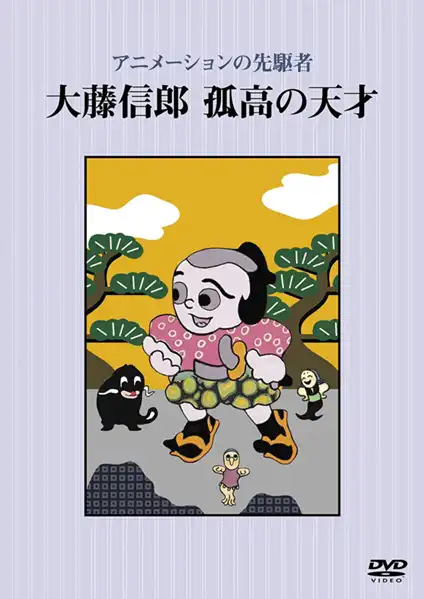
The sounds, or lack thereof, really highlight the visuals. If you're watching it silent, which is probably how it was meant to be, the imagery has to do all the heavy lifting. And it mostly does, pulling you into its quiet world.
There’s a small conflict that develops, sort of. Some other creature, maybe a fox or a weasel, tries to disturb the peace of the marsh. But it’s not a big, dramatic fight. More like a gentle push and pull, a momentary disruption.
The way the water ripples, it's just so hypnotic. I kept finding myself watching the water more than the characters sometimes. It's a real testament to the art, how captivating something so simple can be.
It's a curious glimpse into a different kind of storytelling. Not trying to be epic, just showing a slice of life in a very specific, watery world. It doesn't scream for your attention, it just invites you in.
The ending isn't a grand resolution. Things just... are. Which, for this film, feels completely right. It doesn't need a neat bow or a big final statement. It just fades out, leaving you with the echo of the marsh.
This film won't be for everyone, but if you appreciate the history of animation and don't mind a slower, more contemplative experience, it's worth a look. It’s a quirky little piece, a true product of its time, and a quiet achievement.

IMDb 7
1926
Community
Log in to comment.