DbcultAccessing Vault...
6.5/10
Senior Film Conservator
A definitive 6.5/10 rating for a film that redefined the boundaries of cult cinema. Daredevil Jack remains a cornerstone of transgressive art.
Stepping back into the cinematic landscape of 1918, one encounters a fascinating beast: the film serial. These episodic sagas, designed to lure audiences back week after week, were the television shows of their day, brimming with cliffhangers, daring stunts, and often, a healthy dose of melodrama. Among these captivating spectacles stands Daredevil Jack, a production that, even a century later, retains a certain raw, visceral energy. It's a testament to the enduring appeal of pure, unadulterated adventure, a narrative concoction brewed by the collaborative minds of Jack Cunningham, Harry O. Hoyt, W.S. Van Dyke, and Frederick Chapin, and brought to life under the direction of the prolific W.S. Van Dyke. This isn't just a film; it's a window into the popular entertainment sensibilities of an era defined by rapid change and an insatiable hunger for escapism.
The narrative thrust of Daredevil Jack hinges on the delightfully classic premise of an ordinary man thrust into extraordinary circumstances. Our protagonist, Jack Derry, portrayed with a compelling blend of athleticism and earnestness by Frank Lanning, finds his tranquil existence abruptly shattered. He becomes an unwitting participant in a convoluted mystery surrounding the enigmatic Glory Billings, a woman whose life appears perpetually shadowed by unseen dangers. Fate, in its often-capricious manner, orchestrates his pivotal role as her rescuer during a harrowing kidnapping episode. This initial act of accidental heroism is merely the first thread in a rapidly unraveling tapestry of intrigue and danger.
Glory Billings, brought to life by the expressive Josie Sedgwick, is no mere passive damsel. While frequently imperiled, her predicament serves as the central enigma, the very engine driving Jack's escalating involvement. What begins as a simple act of chivalry quickly morphs into a relentless pursuit of truth, as Jack finds himself inextricably linked to Glory's shadowed past and the nefarious forces that seek to control or silence her. The writers skillfully weave a web of deceit, hinting at hidden fortunes, secret societies, and long-buried grievances that continually place Glory in harm's way. Each successful rescue by Jack only seems to deepen his entanglement, revealing another layer of the intricate conspiracy. It's a narrative strategy that masterfully keeps the audience guessing, eager for the next installment to reveal more of the underlying machinations.
The brilliance of the serial format, as exemplified here, lies in its ability to build suspense incrementally. We see Jack, initially a man of perhaps modest aspirations, transform under the crucible of constant threat into the titular 'Daredevil Jack.' His courage isn't born of a pre-existing heroic destiny, but forged in the fires of necessity and a burgeoning sense of responsibility for Glory's safety. This evolution, though often accelerated by the demands of episodic storytelling, lends a relatable humanity to his character, making his increasingly audacious feats all the more compelling. The narrative, while adhering to the conventions of its time, avoids simplistic resolutions, instead opting for a prolonged, exhilarating chase towards understanding and justice.
A film serial thrives not only on its plot but also on its memorable cast, and Daredevil Jack boasts a robust ensemble. Frank Lanning's portrayal of Jack Derry is central, demanding a physicality that underscores the character's moniker. Lanning embodies the straightforward, morally upright hero, his actions speaking louder than any intertitle could convey. His athleticism, crucial for the numerous escape and chase sequences, is palpable even through the grainy lens of archival footage. Josie Sedgwick, as Glory Billings, manages to imbue her character with a degree of agency, even when she is the focal point of danger. Her expressions convey fear, determination, and a quiet strength that suggests there's more to her than just being a damsel in distress.
However, no adventure is complete without its antagonists, and Daredevil Jack boasts a formidable rogues' gallery. Perhaps the most intriguing inclusion for modern viewers is Lon Chaney. While his role here might not be as overtly transformative or psychologically complex as his later, iconic performances in The Man Inside or Hoffmanns Erzählungen (though the latter is a very different beast, highlighting the range of silent film), his presence undoubtedly adds a layer of menacing intensity. Even in a supporting capacity, Chaney's ability to convey sinister intent with minimal gesture is remarkable, a foreshadowing of the profound impact he would soon have on the horror genre. His character, like many of the villains in these serials, is often a figure of shadowy authority or brute force, a perfect foil for Jack's burgeoning heroism.
The physical presence of actors like Bull Montana and Fred Starr further solidifies the threat. These performers, often cast for their imposing stature and intimidating physicality, provide the immediate, tangible obstacles Jack must overcome. Their brawls and chases are a hallmark of the serial genre, providing the spectacle that kept audiences returning. Other key players like Edward Hearn, Herschel Mayall, and Albert R. Cody fill out the cast, each contributing to the intricate web of allies and adversaries that populate Glory's dangerous world. The sheer volume of characters, from the loyal sidekicks to the conniving masterminds, ensures a dynamic and unpredictable narrative.
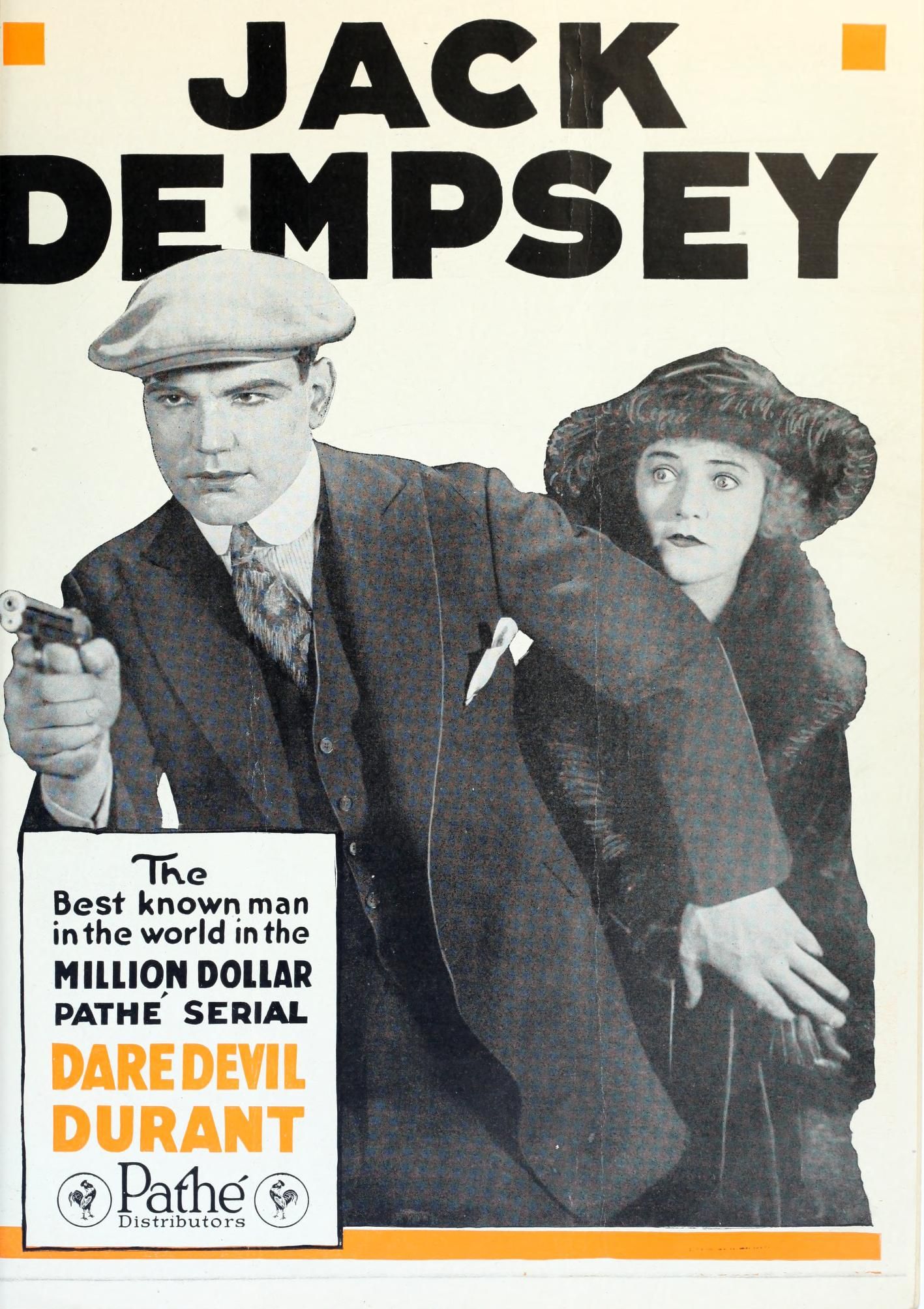
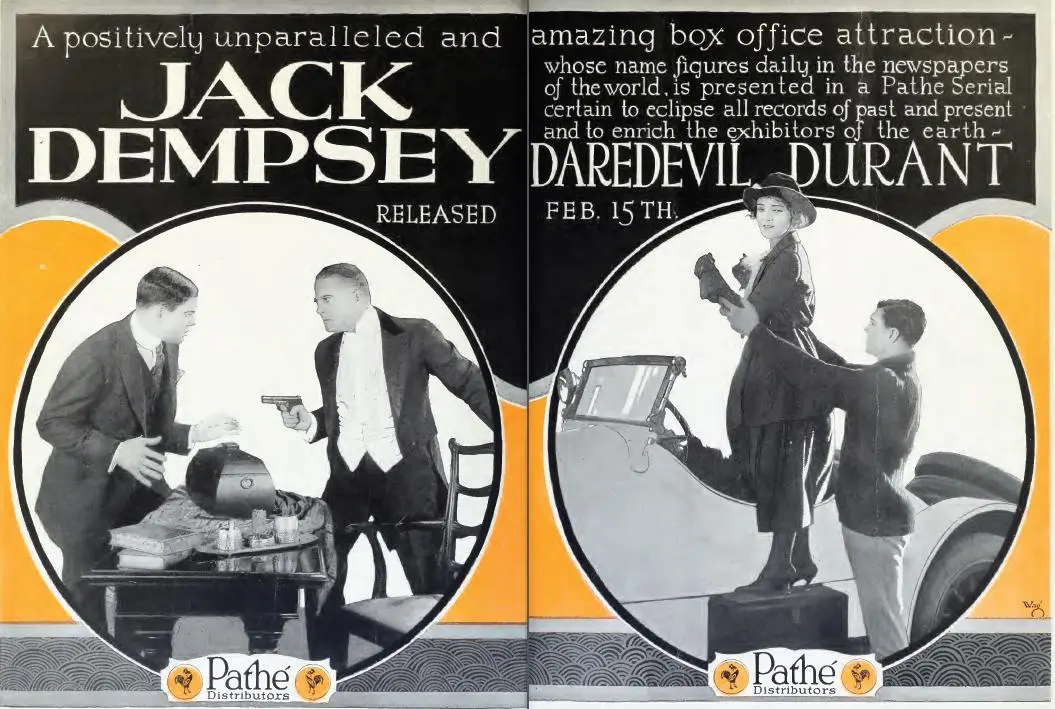
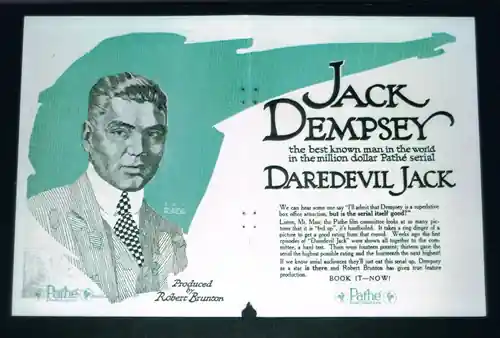
A truly unique casting choice, and a significant draw for audiences of the time, was the appearance of legendary boxer Jack Dempsey. While his role might be more of a cameo or a supporting turn, his inclusion speaks volumes about the popular culture appeal that these serials aimed for. It was a chance to see a real-life hero, a champion, on the silver screen, lending an air of authenticity and excitement to the already thrilling proceedings. This crossover appeal was a clever marketing tactic, blending the world of sports with cinematic adventure, much like how modern films might feature athletic stars in action roles.
W.S. Van Dyke, a director who would later become renowned for his versatility and efficiency, particularly with the Thin Man series, demonstrates his early command of cinematic storytelling in Daredevil Jack. Directing a serial presented unique challenges: maintaining narrative momentum across multiple chapters, ensuring each episode ended on a gripping cliffhanger, and coordinating intricate action sequences with limited resources. Van Dyke navigates these demands with a clear vision, prioritizing dynamic movement and visual clarity. His direction is straightforward yet effective, focusing on the kinetic energy of the chases, the tension of the confrontations, and the dramatic impact of each twist.
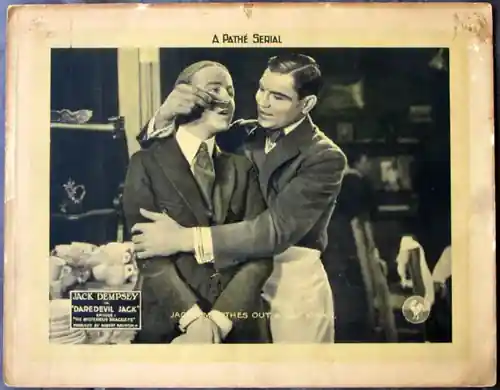
The pacing is relentless, a hallmark of the serial form. There's little time for introspection; the plot must constantly move forward, propelled by a succession of threats and narrow escapes. Van Dyke understood that the audience's primary desire was excitement, and he delivered it in spades. Consider how he frames the daring stunts – Jack leaping across rooftops, scaling walls, or engaging in hand-to-hand combat. These sequences, while perhaps appearing quaint by today's standards, were genuinely thrilling for contemporary audiences and required significant ingenuity in their execution. The use of practical effects and clever camera angles to enhance the illusion of danger is evident throughout, a testament to the resourcefulness of early filmmakers.
The writing team of Cunningham, Hoyt, Van Dyke, and Chapin crafted a narrative that, while perhaps melodramatic, was undeniably engaging. They understood the psychology of the serial audience, meticulously constructing scenarios that would leave viewers breathless and eager for the next installment. The mystery surrounding Glory Billings is not merely a plot device; it's a constantly evolving puzzle, with new pieces revealed (or obscured) in each chapter. This collaborative approach to storytelling, common in the serial era, allowed for a continuous flow of ideas and plot developments, ensuring the saga never stagnated. The narrative structure, in some ways, mirrors the episodic nature of other adventure stories from the period, such as those found in dime novels or pulp magazines, catering to a public hungry for serialized entertainment.
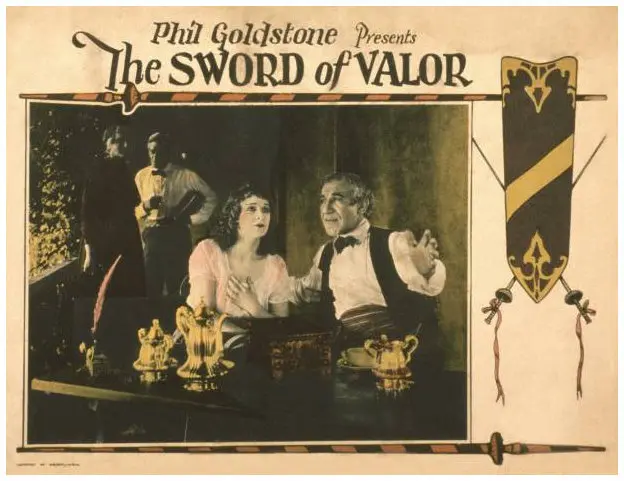
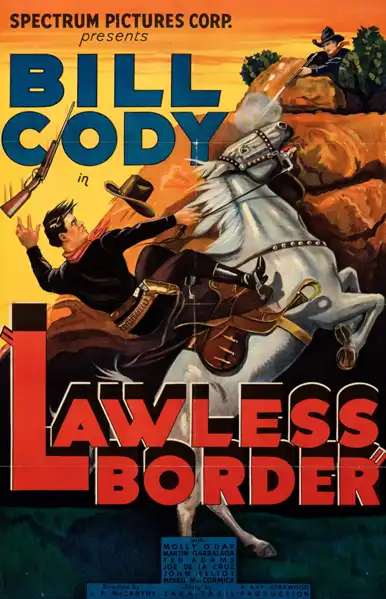
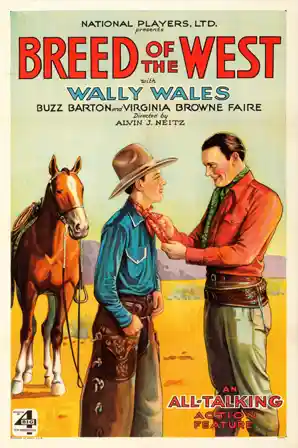
Daredevil Jack exists within a vibrant ecosystem of silent era adventure films. It shares thematic DNA with many contemporary works that celebrated heroism, explored untamed landscapes, or delved into the shadowy underworlds of urban centers. Films like The Border Wireless, for instance, also embraced themes of danger and communication across vast distances, albeit with a more Western flavor. The raw, physical confrontations in Daredevil Jack echo the frontier spirit found in films such as The Land of Long Shadows, where survival often depended on brute strength and quick thinking.
The portrayal of female characters, too, offers a fascinating glimpse into societal norms. While Glory Billings is frequently rescued, her importance to the plot and the underlying mystery gives her more weight than a purely decorative figure. This can be contrasted with some of the more overtly progressive (for their time) portrayals in films like A Doll's House (1918), which explored female independence, or even the subtle agency sometimes found in comedic shorts like Hoodoo Ann. Daredevil Jack firmly plants itself in the tradition of adventure where the hero’s actions are paramount, but the catalyst for those actions is a strong, albeit endangered, female presence.
The visual language of silent cinema, relying heavily on exaggerated expressions, physicality, and intertitles, is on full display here. Actors like Frank Lanning and Josie Sedgwick mastered the art of conveying complex emotions and rapid action without dialogue. Every gesture, every facial contortion, had to communicate clearly and concisely. This highly theatrical style, while sometimes misunderstood by modern audiences, was a sophisticated art form in its own right, demanding immense skill from its performers. The fight sequences, often choreographed for maximum visual impact, are particularly noteworthy, showcasing a blend of stunt work and expressive movement that defines the 'daredevil' aspect of the film.
Comparing it to an entirely different genre, such as the animated Feline Follies, highlights the vast stylistic diversity of the silent era. While Feline Follies explored character and narrative through animation, Daredevil Jack grounded its fantastical elements in a gritty, action-packed reality, albeit one frequently punctuated by impossible escapes. Both, however, were products of an era constantly experimenting with the boundaries of what cinema could achieve.
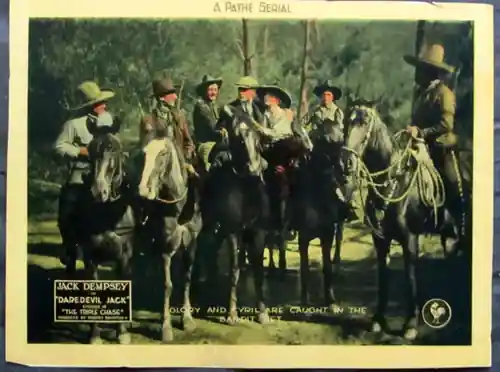
Ultimately, Daredevil Jack stands as a compelling artifact of early cinematic adventure. It might not possess the artistic gravitas of a European masterpiece like Hoffmanns Erzählungen, nor the intricate character studies of some dramatic features, but its purpose was simpler: to entertain, to thrill, and to leave audiences yearning for more. And in that, it succeeded spectacularly. The film's enduring appeal lies in its straightforward embrace of classic tropes: a hero against overwhelming odds, a mysterious damsel in distress, and a relentless pursuit of justice.
For film historians and enthusiasts, Daredevil Jack offers invaluable insights into the production practices and audience expectations of the silent serial era. It showcases the early work of significant talents like Lon Chaney and W.S. Van Dyke, providing a foundational understanding of their developing craft. The inclusion of figures like Jack Dempsey also underscores the cross-media appeal that early cinema cultivated, drawing in audiences from various walks of life.
Rediscovering films like Daredevil Jack is a vital act of cinematic archaeology. It reminds us that the foundations of modern storytelling, particularly in the action and mystery genres, were laid by these ambitious, often audacious, productions. While the pace and style may require a slight adjustment for contemporary viewers accustomed to faster cuts and elaborate CGI, the core elements of suspense, heroism, and the eternal struggle between good and evil remain universally resonant. It's a reminder that sometimes, the greatest special effect is a compelling story and a hero brave enough to leap into the unknown.
So, if you're inclined to explore the roots of cinematic thrills, to witness a bygone era's interpretation of high-stakes adventure, and to see a young Lon Chaney hone his craft, then Daredevil Jack is a journey well worth embarking upon. It's a vibrant, action-packed relic that continues to speak the universal language of excitement, proving that a daredevil's spirit, even in silence, can resonate across the ages.
IMDb 6
1931
Community
Log in to comment.