DbcultAccessing Vault...
6/10
Senior Film Conservator
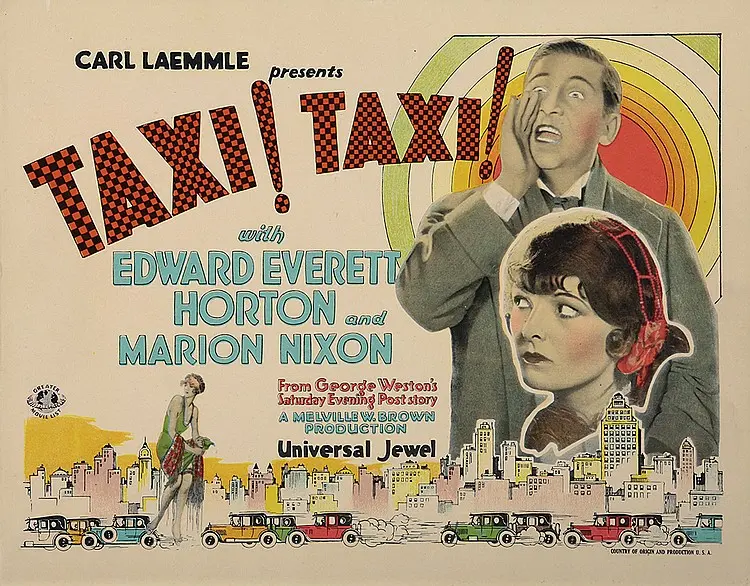
A definitive 6/10 rating for a film that redefined the boundaries of cult cinema. Taxi! Taxi! remains a cornerstone of transgressive art.
Is Taxi! Taxi! worth watching today? Short answer: yes, but with a significant caveat. This 1927 silent film is an absolute delight for cinephiles, historians, and anyone with a soft spot for early romantic comedies, yet it might prove a challenging watch for those unaccustomed to the unique rhythm and visual storytelling of the silent era.
For those willing to engage with its unique charm, however, Taxi! Taxi! offers genuine laughs, a heartwarming storyline, and a fascinating glimpse into the nascent forms of cinematic comedy. It’s a film for the patient, the curious, and those who believe that true cinematic gold isn’t always accompanied by a soundtrack.
In a cinematic landscape dominated by CGI spectacles and intricate narrative puzzles, revisiting a 1927 silent romantic comedy like Taxi! Taxi! might seem an anachronism. Yet, there’s a surprising resilience to its simple premise and an undeniable warmth to its execution that transcends the decades. Directed by Melville W. Brown, this film, penned by Raymond Cannon, Melville W. Brown, and George Weston, isn't just a historical curiosity; it’s a surprisingly effective piece of entertainment.
At its core, Taxi! Taxi! is a classic screwball precursor, following an architect, William V. Mong’s character, whose professional life is a perpetual tightrope walk. He’s a man of grand ideas but questionable execution, constantly at odds with the rigid expectations of his employers. His world, already teetering, is upended by a chance encounter with the boss's niece, played by Helen Ferguson.
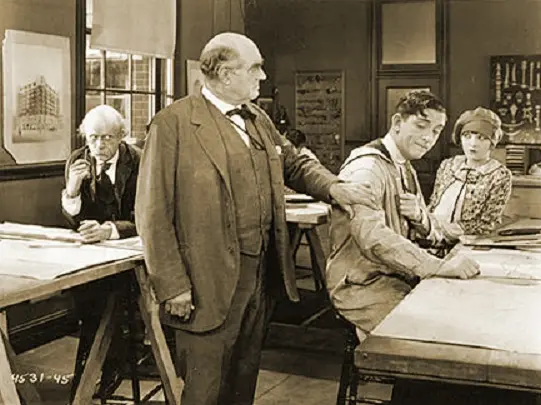
What follows is a delightful cascade of errors and romantic overtures, culminating in the architect’s spontaneous purchase of a taxicab to ferry his newfound love interest home on a rainy night. This impulsive act, born of chivalry, becomes the catalyst for a series of escalating comedic misfortunes. It’s a premise that, even today, feels both quaintly charming and universally relatable: the lengths to which one will go for love, and the inevitable chaos that often ensues.
This film works because its comedic timing is surprisingly sharp, its lead performances are genuinely charming, and it captures a specific, vibrant energy of the late 1920s. The visual gags are often inventive, relying heavily on the actors' expressive physicality rather than overly complex intertitles.
This film fails because its narrative structure can feel a tad simplistic by modern standards, and some of its gags, while historically interesting, don't land with universal appeal today. The pacing, while consistent for a silent film, might test the patience of viewers accustomed to rapid-fire editing.
You should watch it if you appreciate the artistry of silent cinema, are curious about the evolution of romantic comedy, or simply want to see a well-executed, if slight, piece of cinematic history. It’s a window into a bygone era, offering more than just nostalgia.
The
IMDb —
1933
Community
Log in to comment.