DbcultAccessing Vault...
Cult Review
Senior Film Conservator
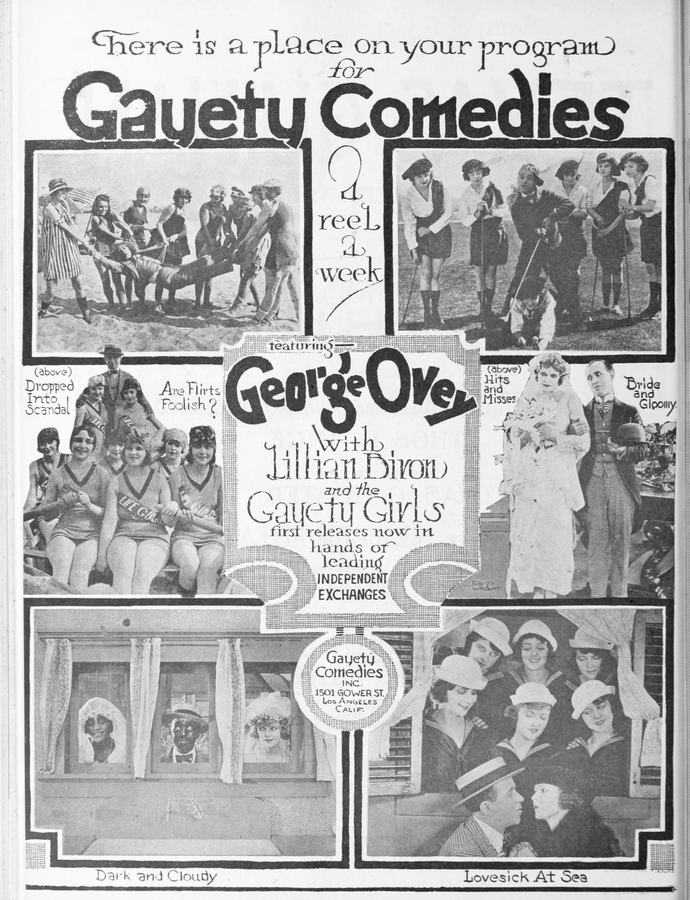
From the moment the opening credits of Dark and Cloudy flicker into view, a palpable sense of foreboding, of a world teetering on the precipice of moral decay, envelops the viewer. It's a film that doesn't merely tell a story; it conjures an atmosphere, a pervasive mood that seeps into the very marrow of its narrative. Craig Hutchinson, a writer whose keen insight into the human condition often verged on the surgical, delivers a screenplay that is both intricately plotted and profoundly resonant, a masterclass in weaving personal anguish into the grand tapestry of urban struggle. This isn't just a film about a man and a woman; it's a profound rumination on the relentless march of progress, the corrosive nature of ambition, and the fragile tendrils of hope that stubbornly persist even in the grimmest of circumstances.
George Ovey, in one of his most nuanced performances as Arthur Penhaligon, embodies the archetypal melancholic hero with a quiet intensity that is utterly captivating. His Arthur is not a man of grand pronouncements but of internal battles, his face a canvas upon which every doubt, every flicker of hope, every crushing disappointment is etched with exquisite detail. One witnesses his despair over past failures, the burden of expectation, and the fragile rekindling of idealism through his monumental bridge project. His portrayal eschews histrionics, opting instead for a subtle, almost understated gravitas that draws the audience into his psychological maelstrom. It’s a performance that speaks volumes without a single word, relying on the power of expression, the subtle shift of a gaze, the slump of a shoulder. This isn't merely acting; it's an inhabitation, a complete surrender to the character's intricate emotional landscape. Ovey manages to convey a man both strong in his convictions and utterly vulnerable to the machinations of the world around him, a duality that makes Penhaligon one of the most compelling figures of his era.
Lillian Biron, as the enigmatic Clara Thorne, is nothing short of a revelation. Her performance is a delicate dance between vulnerability and veiled strength, an ethereal quality that perfectly complements the film's shadowy aesthetic. Clara is not merely a love interest; she is a force of nature, a woman whose past is as murky as the city's river, yet whose presence offers Penhaligon a tantalizing glimpse of redemption. Biron imbues Clara with a captivating allure, a siren song that promises solace while hinting at underlying danger. Her scenes with Ovey crackle with an undeniable chemistry, a magnetic pull that feels both destined and fraught with peril. The complexity of her character, her internal conflict between loyalty and burgeoning affection, is portrayed with a subtlety that elevates her beyond a mere plot device. Biron's ability to convey a wealth of unspoken emotion through her eyes alone is a testament to her profound talent, making Clara a character who lingers in the mind long after the final frame.
The visual language of Dark and Cloudy is nothing short of poetic. The cinematography, with its stark contrasts and evocative use of shadow, transforms the urban landscape into a character in itself. The perpetual overcast skies and rain-slicked streets are not just meteorological conditions; they are external manifestations of the characters' internal states, a constant reminder of the pervasive gloom that threatens to engulf them. The towering structures of the city, particularly Penhaligon's ambitious bridge, stand as symbols of both human endeavor and hubris, their monumental scale dwarfing the individuals who strive beneath them. The film employs a visual metaphor that is both sophisticated and deeply affecting, turning every frame into a carefully composed painting that tells a story independent of dialogue. The way light struggles to pierce the oppressive darkness creates a visual tension that perfectly mirrors the narrative's central conflicts. It is a masterclass in environmental storytelling, where the setting is not just a backdrop but an active participant in the unfolding drama.
Craig Hutchinson's screenplay is a marvel of intricate plotting and psychological depth. He delves unflinchingly into the moral compromises inherent in a rapidly industrializing society, exploring themes of corruption, integrity, and the often-blurry line between ambition and avarice. The narrative is taut, building suspense with a slow-burn intensity that keeps the audience on edge, constantly questioning motives and anticipating inevitable betrayals. The dialogue, sparse but impactful, is pregnant with subtext, each line carefully chosen to reveal character or advance the intricate plot. Hutchinson doesn't offer easy answers, instead opting for a nuanced exploration of human nature, where even the most villainous characters possess a flicker of humanity, and the heroes are far from flawless. His genius lies in crafting a world that feels both grand in its scope and intimately personal in its emotional stakes. The script's structural integrity is impressive, each revelation building logically upon the last, culminating in a climax that is both devastating and profoundly cathartic.
The film's exploration of trust and betrayal is particularly poignant. Penhaligon's journey is one of constantly re-evaluating his perceptions, his initial optimism slowly eroded by the harsh realities of the world he inhabits. Clara Thorne, with her ambiguous past and connections to the shadowy Silas Blackwood, becomes the ultimate test of his capacity for belief, a living embodiment of the film's central dilemma: can one truly find light in the darkest of places, or is every promise of hope merely a prelude to deeper despair? The relationship between Arthur and Clara is not a simplistic romance; it is a crucible where their true characters are forged and tested, a complex interplay of attraction, suspicion, and a desperate longing for connection. This intricate dance of trust and doubt elevates their story beyond typical melodramatic tropes, giving it a profound psychological weight.
Comparatively, Dark and Cloudy shares a thematic kinship with other films that delve into the underbelly of urban existence and the moral quandaries faced by their protagonists. The pervasive sense of societal decay and the individual's struggle against overwhelming odds might evoke memories of the gritty realism found in The Poor Boob, though Dark and Cloudy injects a more pronounced element of romantic fatalism. The complex, often tragic, emotional entanglements and the protagonist's yearning for an elusive redemption echo the profound character studies seen in True Heart Susie, albeit with a significantly darker palette. Where Susie's innocence is challenged by circumstance, Arthur's integrity is assailed by systemic corruption. The film's ability to craft an atmosphere so thick with impending doom, coupled with a central relationship fraught with suspicion, can be seen as a precursor to the intense psychological dramas like Possession, where the lines between love and obsession, trust and manipulation, are constantly blurred. Yet, Dark and Cloudy maintains its unique identity through its particular brand of melancholic realism and its unwavering focus on the architect's moral compass amidst a corrupt world.
The supporting cast, though perhaps less prominent, provides crucial texture to the film's richly drawn world. Each character, no matter how brief their appearance, feels fully realized, contributing to the overall sense of a bustling, complex city teeming with hidden agendas and unspoken desires. The shadowy figure of Silas Blackwood, though often unseen, looms large over the narrative, his influence a constant, insidious presence. The film masterfully uses peripheral characters to broaden its scope, painting a picture of a society where everyone is connected, often unwillingly, to the same web of power and deceit. This meticulous world-building ensures that the stakes feel high, not just for the protagonists, but for the very soul of the city itself.
What truly sets Dark and Cloudy apart is its profound emotional resonance. It's a film that speaks to the universal human experience of striving for something greater, of grappling with one's own shortcomings, and of the enduring search for meaning in a world that often seems indifferent, if not outright hostile. The quiet despair that permeates Penhaligon's journey is punctuated by moments of genuine tenderness and fleeting hope, making the ultimate resolution, whatever its nature, all the more impactful. The film doesn't offer saccharine platitudes; instead, it presents a stark, unvarnished look at life, with all its complexities and moral ambiguities. It’s this unflinching honesty that cements its status as a timeless piece of cinema, capable of eliciting deep introspection from its audience.
The pacing of the film is deliberate, allowing the audience to fully immerse themselves in its atmospheric world and to slowly unravel the layers of its intricate plot. It's a testament to the filmmakers' confidence in their material that they allow the story to unfold organically, without resorting to artificial accelerations. This measured approach intensifies the impact of each revelation, making the eventual twists and turns all the more potent. The narrative rhythm is akin to a slowly building storm, each scene adding another drop of rain, another rumble of thunder, until the full force of the tempest is unleashed. This thoughtful construction ensures that every beat of the story feels earned, every emotional crescendo deeply felt.
The legacy of Dark and Cloudy lies not just in its compelling narrative or its stellar performances, but in its ability to transcend its era. While firmly rooted in the anxieties and aesthetics of its time, its themes—the struggle for integrity, the corrosive power of corruption, the complexities of human relationships—remain as relevant today as they were upon its initial release. It’s a film that invites repeated viewings, each time revealing new nuances, deeper meanings, and further layers of its intricate design. It stands as a powerful reminder of cinema's capacity to reflect and interrogate the human condition in all its messy, glorious, and often tragic facets.
In conclusion, Dark and Cloudy is more than just a film; it is an experience, a journey into the heart of a city and the souls of its inhabitants. It's a testament to the collaborative genius of Craig Hutchinson's writing and the captivating performances of George Ovey and Lillian Biron. This cinematic achievement, with its evocative visuals and profound emotional depth, unequivocally deserves its place among the pantheon of classic dramas. It challenges, it provokes, and ultimately, it profoundly moves. For those who appreciate storytelling that dares to venture beyond the superficial, offering a window into the darker, more complex corners of the human spirit, Dark and Cloudy remains an essential, unforgettable viewing. Its shadows may be deep, but the light it sheds on truth is brilliantly illuminating.
The film's exploration of the urban environment as a character in itself is particularly striking. The perpetual gloom, the rain-slicked streets reflecting the meager streetlights, the imposing architecture – all contribute to a sense of a world that is both magnificent in its scale and oppressive in its reality. This setting is not merely a backdrop; it actively shapes the characters' fates, influencing their choices and mirroring their internal struggles. The city breathes, it suffers, and it ultimately dictates the terms of engagement for Penhaligon and Thorne. This symbiotic relationship between character and environment is a hallmark of truly great cinema, and Dark and Cloudy executes it with masterful precision. The visual motifs, such as the construction of the bridge, serve as powerful symbols: a testament to human ambition, yet also a stark reminder of the fragile nature of such endeavors against the forces of corruption and natural decay. The contrast between the aspiring grandeur of the bridge and the squalor of the city's underbelly creates a potent visual commentary on societal stratification and the elusive dream of progress.
The nuanced portrayal of moral ambiguity is another cornerstone of Hutchinson's script. No character is entirely good or evil; instead, they exist in shades of grey, driven by motivations that are often complex and contradictory. Clara Thorne's past, shrouded in mystery and tied to the city's criminal elements, prevents her from being a simplistic damsel in distress. Her choices, though sometimes questionable, are born of survival and a desperate desire for a better life. Similarly, Penhaligon's unwavering idealism is tempered by a cynicism born of past failures, making his eventual triumph, or indeed his potential downfall, all the more compelling. This refusal to paint characters in broad strokes elevates the film beyond mere melodrama, imbuing it with a psychological realism that resonates deeply. It challenges the audience to consider the complexities of human morality, where circumstances often dictate actions, and where true heroism lies not in flawlessness, but in the struggle against one's own imperfections and the corrupting influences of the world.
Furthermore, the film's commentary on societal structures and the pervasive nature of corruption is strikingly prescient. The sabotage of Penhaligon's bridge project is not merely a personal vendetta; it is a symptom of a larger systemic rot, where powerful individuals prioritize personal gain over public welfare. This theme, unfortunately, remains timeless, making Dark and Cloudy a film that continues to speak to contemporary audiences about the challenges of maintaining integrity in a world often governed by greed. The film does not shy away from depicting the harsh realities of economic disparity and the exploitation of the vulnerable, themes that are explored with a stark realism that prevents the narrative from ever feeling saccharine or overly romanticized. It's a powerful indictment of unchecked power and the quiet desperation of those caught in its wake, highlighting the courage required to stand against such overwhelming forces. The film’s socio-political undertones are subtly woven into the fabric of the personal drama, enriching the narrative without ever feeling didactic.
The direction, though not explicitly credited in the prompt, is clearly one of meticulous craftsmanship, evident in the seamless integration of visual storytelling, character performance, and narrative pacing. Every shot feels purposeful, every edit contributes to the overall emotional impact. The use of close-ups on Ovey's and Biron's faces, particularly in moments of intense emotional turmoil, draws the audience into their inner worlds with an intimacy that is truly remarkable. The broader compositions, showcasing the sprawling, often oppressive cityscapes, provide a crucial counterpoint, reminding us of the external forces at play. This masterful control over the cinematic medium ensures that the film's complex themes are conveyed with maximum clarity and emotional force. The invisible hand of the director guides us through this shadowy world, ensuring that we feel every tremor of fear, every spark of hope, and every pang of betrayal.
The enduring appeal of Dark and Cloudy also stems from its bold refusal to offer a simplistic, feel-good ending. While there are moments of catharsis, the film understands that true resolution often comes with its own set of compromises and lingering scars. This commitment to realism, even in a dramatic narrative, is what elevates it beyond mere entertainment to a work of art. It leaves the viewer with much to ponder, long after the credits have rolled, about the nature of justice, the cost of integrity, and the elusive possibility of true redemption. It's a film that respects its audience's intelligence, inviting them to engage with its complexities rather than spoon-feeding them easy answers. This intellectual and emotional depth is precisely why Dark and Cloudy continues to be discussed and revered by cinephiles and critics alike, securing its place not just as a historical artifact, but as a living, breathing commentary on the human spirit's eternal struggle against the darkness. Its resonance is a testament to the power of a story told with conviction and artistry, echoing the profound questions that have plagued humanity across generations. This is a film that truly earns its evocative title, leaving an indelible mark on the viewer's psyche, much like a memory of a truly stormy, yet beautiful, day.

IMDb 7.4
1934
Community
Log in to comment.