DbcultAccessing Vault...
Cult Review
Senior Film Conservator
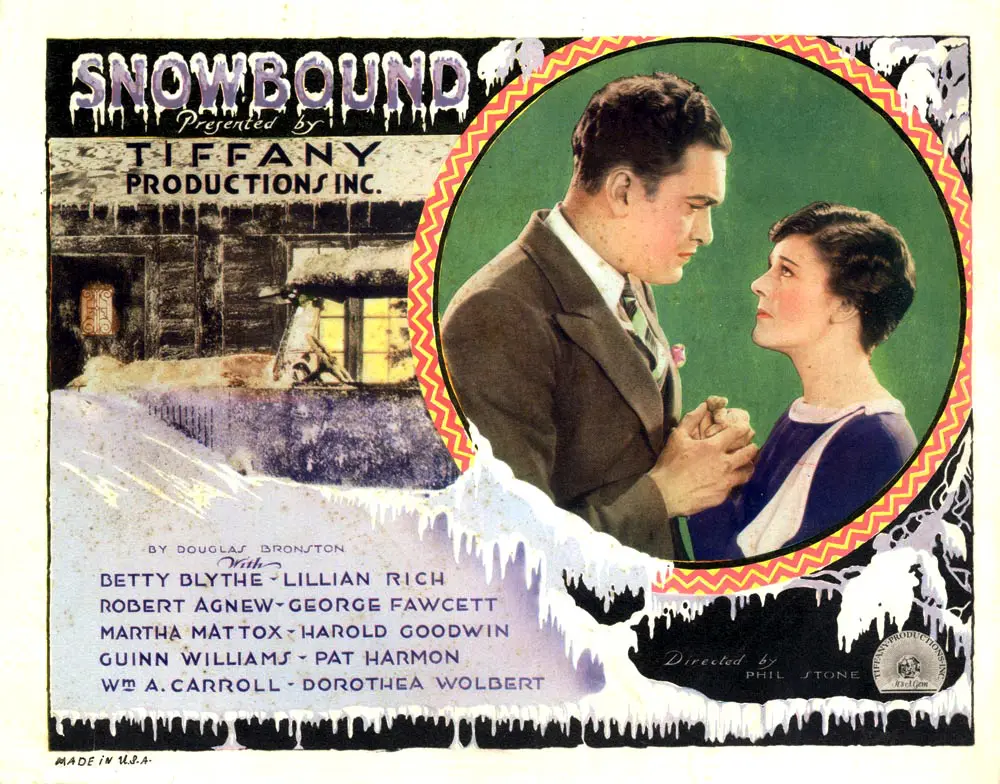
Is Snowbound (1927) a hidden gem of the silent era or a relic better left buried in the drifts? Short answer: It is a functional, high-energy farce that delivers exactly what it promises—frantic movement and social embarrassment—but it lacks the emotional depth found in the era's greatest works.
This film is for the dedicated cinephile who enjoys the mechanics of physical comedy and the 'trapped in a room' trope. It is absolutely not for those who find silent-era exaggerations grating or who require a plot that doesn't rely on massive coincidences.
1) This film works because the chemistry between Lillian Rich and Robert Agnew turns a tired 'fake marriage' trope into a genuine engine for comedy.
2) This film fails because the third-act resolution feels rushed, relying more on convenience than the clever setup of the first two acts.
3) You should watch it if you enjoy situational farces where the stakes are high but the logic is delightfully low.
Snowbound (1927) arrives at the tail end of the silent era, a period where filmmakers had mastered the grammar of visual storytelling. Directed with a steady hand, the film uses Peter Foley’s financial recklessness as a springboard for a narrative that feels surprisingly modern in its cynicism. Peter isn't a hero; he's a climber. He’s the kind of character we’ve seen in films like Homer Comes Home, someone trying to project an image of success that his bank account can't support.
Robert Agnew plays Peter with a nervous energy that is infectious. When he realizes his fraudulent check is about to catch up with him, his physical performance shifts from suave to frantic in a way that anchors the film’s stakes. It’s a performance that reminds one of the high-wire acts in Ten Dollars or Ten Days, where the protagonist is always one step away from total ruin.
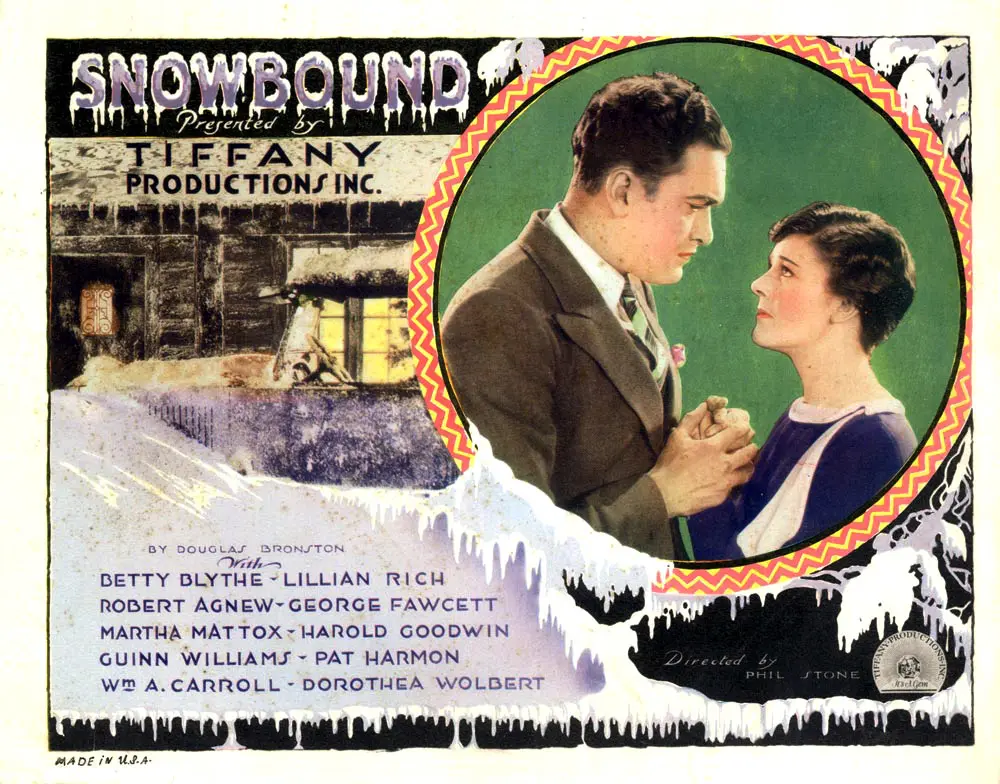
The introduction of Julia Barry, played with a sharp, knowing edge by Lillian Rich, elevates the material. She isn't just a plot device; she is the architect of the chaos. Her decision to pose as Peter’s wife isn't out of love, but a tactical maneuver that backfires beautifully. This isn't your standard romance. It’s a survival pact.
The film’s second half takes place almost entirely within a mountain lodge. This is where the cinematography really shines. While many silent comedies of this era relied on flat lighting, Snowbound uses the shadows of the lodge to create a sense of mounting anxiety. The snow outside isn't just weather; it's a prison wall. This setting forces the characters into uncomfortable proximity, a technique used effectively in other films of the time like The Moment Before.
The arrival of Bull, the motorcycle cop, adds a layer of physical threat that prevents the film from becoming too airy. Pat Harmon plays Bull with a hulking presence that contrasts perfectly with Agnew’s slight frame. The scene where Bull is forced to stay in the same lodge as the man he’s hunting—who is 'married' to the woman Bull is engaged to—is a masterclass in blocking. The characters move around each other like clockwork, narrowly avoiding discovery in a way that feels both choreographed and spontaneous.
The pacing of Snowbound is its greatest asset. It doesn't linger on sentiment. Instead, it pushes forward with the momentum of a runaway train. The editing by the Douglas Bronston-penned script ensures that the 'false friend' subplot and the Alice Blake romance don't bog down the central conflict. It’s a lean piece of filmmaking that understands its own limitations.
However, the cinematography, while competent, doesn't reach the heights of something like The Splendid Sinner. It’s utilitarian. It captures the action, but it rarely stops to create an image that haunts the viewer. It’s a movie designed for the moment, not for the ages. And that’s fine. Not every film needs to be a monument.
If you are looking for a tight, 1920s farce that utilizes its setting to maximum effect, then yes, Snowbound is worth your time. It offers a fascinating look at the social anxieties of the era—specifically the fear of being exposed as a fraud. It captures the frantic energy of a world on the brink of the Great Depression, where everyone was pretending to have more than they did.
However, if you require emotional resonance or a plot that avoids the 'convenient blizzard' trope, you might find it frustrating. It is a film of its time. It works. But it’s flawed. The ending, while happy, feels like a sudden exhale after a long period of holding its breath, leaving some of the more interesting moral questions unanswered.
Pros:
- Exceptional physical comedy from Robert Agnew.
- The lodge setting provides a great sense of atmosphere.
- The conflict between the cop and the 'husband' is genuinely tense.
- Shorter runtime ensures the jokes don't wear out their welcome.
Cons:
- The Alice Blake character feels like an afterthought.
- Some of the title cards are overly wordy.
- The 'false friend' character is a bit of a one-note villain.
What makes Snowbound stand out from other comedies like The Chorus Girl's Romance is the underlying threat of prison. This isn't just about a guy trying to get the girl; it's about a guy trying to stay out of a jumpsuit. The fraudulent check is a brilliant MacGuffin because it represents Peter’s moral failure. He isn't a victim of circumstance; he's a victim of his own greed. This makes his eventual redemption feel more earned, even if it is achieved through a series of ridiculous accidents.
The scene where the check is nearly discovered by the motorcycle cop is the film's highlight. The tension is palpable. We aren't just laughing at the situation; we are feeling the sweat on Peter's brow. It’s a rare moment where a silent comedy manages to blend genuine suspense with its humor. Most films of this type, like Shoot Straight, lean too heavily into the action, but Snowbound keeps its feet planted in the comedy of manners.
Snowbound (1927) is a spirited, if somewhat predictable, entry into the silent comedy canon. It succeeds primarily on the strength of its cast and its ability to milk every ounce of tension from its confined setting. While it doesn't possess the visual poetry of the era's masterpieces, it has a grit and a frantic pace that keeps it engaging nearly a century later. It is a solid, three-star experience that serves as a perfect time capsule of 1920s social panic. If you have an hour to spare and a love for the era, you won't regret being snowbound with this crew.
IMDb 4.9
1925
Community
Log in to comment.