DbcultAccessing Vault...
Cult Review
Senior Film Conservator
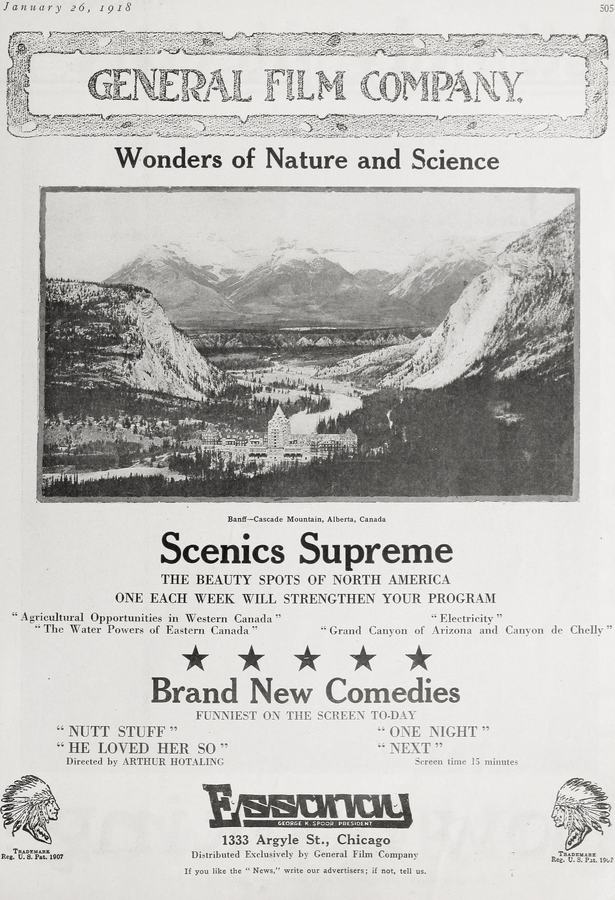
Step into a bygone era, where the silver screen flickered with unadulterated joy, and the art of physical comedy reigned supreme. Today, we journey back to 1916, a pivotal year in the nascent stages of cinematic storytelling, to revisit a gem of slapstick artistry: the short film One Night. This isn't merely a film; it's a meticulously choreographed ballet of blunders, a symphony of misunderstandings that unfolds across the hallowed, yet chaotic, halls of a hotel under the cloak of midnight. In an age before synchronized sound, filmmakers relied on exaggerated gestures, expressive faces, and ingeniously crafted scenarios to convey narrative and evoke laughter. One Night stands as a testament to this foundational period, offering a masterclass in how a simple premise can escalate into an uproarious spectacle, proving that sometimes, the most profound humor stems from the most mundane of mishaps.
The narrative engine of One Night is fueled by a trio of distinct, yet ultimately intertwined, storylines, each contributing its unique flavor to the burgeoning chaos. At the heart of the initial disruption is the Gentleman Drunk, portrayed with admirable commitment by Arthur Hotaling. His character, embodying the classic archetype of the inebriated gentleman, stumbles into the hotel, his silk hat stubbornly affixed to his head, oblivious to the world's conventions as he seeks his bed. Hotaling’s performance, a blend of unsteady gait and bewildered expressions, perfectly captures the essence of a man navigating reality through a haze of alcohol, a visual gag that never ceases to amuse. This portrayal is a cornerstone of early silent comedy, where character archetypes were often broad but instantly recognizable, allowing audiences to connect with the humor without the need for extensive dialogue or complex backstories. The Drunk is not just a character; he is a catalyst, an unwitting agent of pandemonium whose actions, however seemingly innocuous, ripple through the entire establishment.
Then there’s the Ham Actor, a figure of dramatic flair and financial desperation. His decision to escape his hotel bill by scaling down the building with a rope is a testament to the lengths to which some will go to avoid responsibility. This character introduces an element of clandestine activity, a touch of almost-suspense that is quickly subsumed by the overarching comedic tone. His struggle down the wall, an awkward ballet of limbs and rope, is a visual spectacle designed to elicit guffaws, highlighting the physical comedy that was the lifeblood of silent cinema. The Ham Actor, though a minor player in the grand scheme of the plot, serves as another vital cog in the machine of escalating misunderstandings, his furtive movements misinterpreted by onlookers, paving the way for further mayhem. His plight, while born of practical necessity, becomes another thread in the tapestry of the night's comedic tapestry.
Finally, we have the young Girl and her fiancé, the romantic counterpoint to the night’s more farcical elements. Their whispered plans for elopement, a defiant act against parental disapproval, ground the film in a relatable human drama, however light-hearted. Their desire to escape the confines of strict societal rules, symbolized by the parents' absurd objection to a kiss in the parlor, adds a layer of youthful rebellion to the narrative. Their story, while initially separate, soon becomes entangled with the Drunk's and the Actor's misadventures, proving that even the most earnest intentions can be derailed by the chaotic forces of chance and circumstance. This interweaving of narratives is a hallmark of well-constructed farces, where disparate elements converge to create a crescendo of comedic confusion. The hotel itself, a bustling microcosm of society, becomes the stage for these intersecting lives, a character in its own right, facilitating both connection and misdirection.
The true genius of One Night lies in its masterful construction of a comedic domino effect, where each seemingly minor event triggers a cascade of increasingly absurd outcomes. The first domino to fall is the Drunk’s silk hat, dislodged from his head as he peers from his window, drawn by the Ham Actor's clumsy descent. This simple act of gravity sets the Drunk’s next, crucial action into motion: his stealthy, inebriated expedition downstairs to retrieve his prized headwear. It’s a moment of pure physical comedy, as Hotaling navigates the stairs and sidewalks with a hilarious blend of determination and disorientation. This pursuit of a lost item, a common trope in early comedy, becomes the initial ripple in the pond of the night's unfolding chaos, pulling the Drunk out of his room and into the public eye, where his actions can be misinterpreted.
As the Drunk embarks on his hat retrieval mission, the eloping couple's plans are simultaneously reaching their climax. Just as they are poised for flight, their irate parents intervene, adding a layer of domestic drama and thwarted romance to the brewing pandemonium. This interruption prevents their escape, forcing them back into the hotel's orbit, where they too become entangled in the larger comedic web. The juxtaposition of their earnest romantic plight with the Drunk's farcical pursuit of his hat creates a delightful contrast, highlighting the diverse forms of human folly and aspiration contained within the hotel's walls. The parents' stern intervention, a classic comedic foil, further complicates the scene, adding another layer of authority and disapproval to the already tense situation.
The narrative then takes a truly wild turn. The Drunk, having lost his nightgown in the process of his nocturnal wanderings, finds himself in a state of undress, a classic vulnerability exploited for comedic effect. The sudden appearance of a group of young women entering the hotel forces him into a desperate, improvised act of concealment. His solution? Rolling himself up in a rug and embarking on a frantic, uncontrolled dash through the hotel halls. This image of a man encased in a rug, hurtling through corridors, is pure, unadulterated slapstick gold. It’s a visual gag that transcends language and time, relying solely on the absurdity of the situation and the physical execution. This moment of frantic, rug-bound flight is a comedic crescendo, pushing the boundaries of logical action into the realm of pure, delightful nonsense. It's reminiscent of the ingenious, often property-destroying gags found in contemporary short films like Flappers and Friskies, where the sheer energy of the performers and the absurdity of their predicaments drove the humor.
The hotel in One Night is more than just a backdrop; it functions as a crucial character, a contained ecosystem where disparate lives converge and clash. Its labyrinthine halls, multiple floors, and public spaces provide the perfect stage for the escalating chaos. The hotel, with its inherent rules and expectations of decorum, serves as an ironic counterpoint to the wild antics unfolding within its walls. The contrast between the stately architecture and the frenzied activity of its inhabitants amplifies the comedic effect. Each room, each corridor, each staircase becomes a potential site for a misunderstanding, a near-miss, or a spectacular pratfall. The confined nature of the setting ensures that the characters are constantly bumping into each other, literally and figuratively, creating a dense web of interactions that fuels the narrative's momentum. This confined, yet multi-layered, setting is a classic device in farcical comedies, allowing for rapid character entrances and exits, and a heightened sense of claustrophobic hilarity. Think of how similar settings are used to great effect in later ensemble comedies, where the very architecture becomes a participant in the unfolding drama.
The climax of the film sees the Ham Actor’s initial escape attempt misconstrued by the other guests, who, roused by the commotion, mistakenly identify him as a burglar. This mistaken identity, a venerable comedic trope, adds a layer of genuine alarm to the farcical proceedings. The hotel, now fully awake, transforms into a scene of frantic activity, with guests and staff alike on high alert. The arrival of the Cop, entertained by Nora in the kitchen, brings a semblance of official order, only to have it immediately subverted by the prevailing chaos. The Cop, a figure of authority, becomes another pawn in the night’s game of confusion, his presence intended to restore order but instead contributing to the general uproar. This element of misidentification and the subsequent pursuit, while played for laughs, echoes themes found in more serious crime dramas like Raffles, the Amateur Cracksman or Le coupable, albeit with a distinctly comedic lens. The perception of crime, the hunt for a perpetrator, all twisted into a hilarious misunderstanding.
Arthur Hotaling, while perhaps not a household name today alongside the likes of Chaplin or Keaton, was a significant figure in early American cinema, often working as both an actor and director. His performance as the Gentleman Drunk in One Night is a quintessential example of silent film acting. Without dialogue, actors relied heavily on pantomime, exaggerated facial expressions, and precise physical comedy to convey emotions, motivations, and plot points. Hotaling’s portrayal is a masterclass in this form, his unsteady gait, his fumbling attempts to retrieve his hat, and his panicked reactions when confronted with the young women are all executed with a clarity and comedic timing that speaks volumes without uttering a single word. His character's journey from drunken stupor to rug-bound fugitive is a testament to his physical prowess and understanding of comedic rhythm.
The director's (uncredited in the provided information, but often Hotaling himself or a collaborator of similar ilk) orchestration of the various plot threads is equally commendable. To manage multiple characters, each with their own objectives and escalating predicaments, and weave them into a coherent, yet gloriously chaotic, narrative requires a keen eye for staging and timing. The film effectively uses cross-cutting between the different storylines, building suspense and humor as each character's actions inadvertently affect the others. The pacing is brisk, a hallmark of early short comedies designed to capture attention quickly and deliver a rapid-fire succession of gags. This directorial approach ensures that the audience is constantly engaged, anticipating the next comedic turn, and marveling at the intricate dance of misfortune.
Beyond the surface-level gags, One Night subtly explores themes that resonate even today. The concept of misunderstanding is central to the entire narrative. Every major comedic beat stems from a character misinterpreting another’s actions: the Drunk is not a thief, the Actor is not a burglar, the lovers are not truly criminals. This highlights the fragility of perception and how easily order can dissolve into chaos when communication breaks down, or when assumptions are made. It's a comedic mirror reflecting the everyday absurdities of human interaction, where intentions are often misread, and appearances can be deceiving. This theme of mistaken identity is a powerful comedic engine, and can be seen in dramatic contexts too, such as the intricate deceptions within The False Friend, though in One Night, the consequences are purely hilarious.
The film also touches upon social satire, albeit gently. The parents' overbearing objections to the lovers' affection, and their subsequent dramatic intervention, poke fun at the rigid social mores of the era. The Ham Actor’s attempts to evade his debts, while desperate, also offer a glimpse into the economic realities faced by struggling artists. Even the Gentleman Drunk, a figure of fun, implicitly comments on the societal acceptance, or at least tolerance, of certain vices. These subtle critiques are woven into the fabric of the comedy, giving the film a layer of observational humor that elevates it beyond mere silliness. The underlying tension between personal freedom and societal expectation, between individual desire and collective order, provides a rich vein for comedic exploitation.
The enduring appeal of slapstick comedy, epitomized by films like One Night, lies in its universal language. Laughter at a pratfall, a chase, or a ludicrous situation transcends cultural and linguistic barriers. It’s a primal form of humor that speaks to our shared human experience of clumsiness, embarrassment, and the unexpected. In an increasingly complex world, there’s a timeless comfort in watching characters navigate a perfectly orchestrated mess, knowing that, despite their predicaments, all will eventually resolve, usually with a final, satisfying punchline. The sheer joy derived from watching well-executed physical comedy is a testament to its power, a power that early silent filmmakers understood implicitly.
In its mere runtime, One Night encapsulates the charm, ingenuity, and foundational principles of early silent cinema. It's a reminder of a time when storytelling was visual, expressive, and often riotously funny. The film's ability to build such intricate chaos from a few simple premises, to orchestrate a dance of mistaken identities and escalating blunders, is a testament to the creative minds behind it. From the initial stumble of the Drunk to his final, undignified discovery beneath a sofa, the film is a relentless engine of laughter, a compact masterpiece of comedic timing and physical performance. It serves as an invaluable historical document, showcasing the stylistic conventions and comedic sensibilities that defined an entire era of filmmaking. For anyone interested in the evolution of comedy or the magic of early cinema, One Night is an essential viewing, a delightful plunge into a world where a single night can become an unforgettable spectacle of pure, unadulterated fun. Its legacy endures, not just as a historical curiosity, but as a vibrant, laugh-out-loud piece of cinematic art that continues to entertain and remind us of the simple pleasures of a perfectly executed gag.
IMDb 6.2
1933
Community
Log in to comment.