DbcultAccessing Vault...
Cult Review
Senior Film Conservator
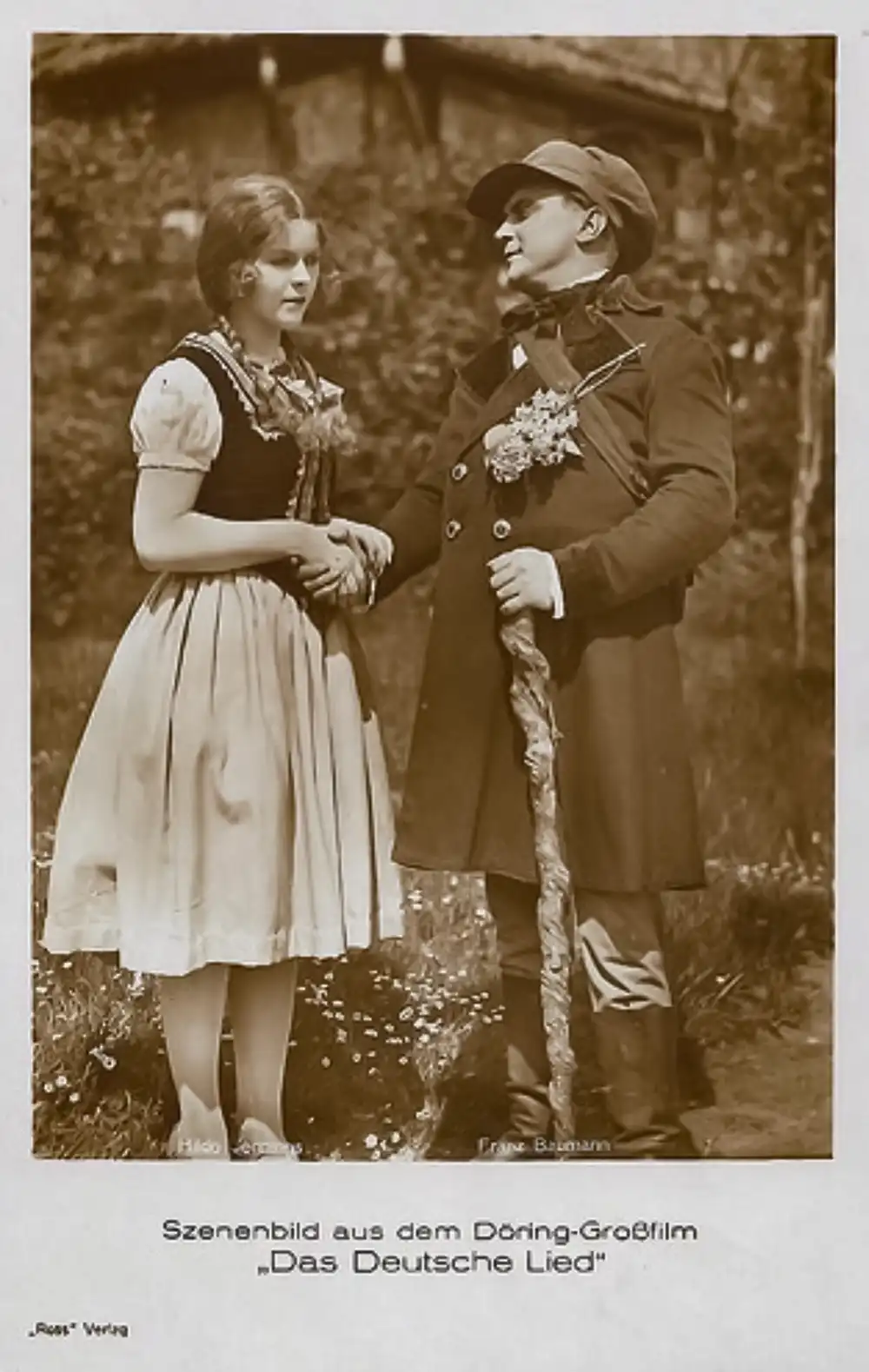
Alright, so 'Das deutsche Lied.' Is it worth digging up today? Well, that depends on what you're looking for, really. If you’re someone who loves old cinema, the kind that feels like a whisper from another time, then yeah, there's something here for you. It’s for the patient viewer, the film history buff, or anyone curious about German culture from an earlier century. Most folks looking for a quick thrill or a blockbuster experience will probably bounce right off it.
The title itself, Das deutsche Lied — ‘The German Song’ — sets a certain expectation. You go in thinking about national identity, maybe some big musical numbers, or just a reflection on what it meant to be German when this picture was made. It’s a concept that feels heavy, even before the film rolls.
Watching it, you immediately notice the pacing. It’s a different rhythm than we’re used to now. Scenes just kind of unfold, letting moments breathe in a way modern films rarely do. Sometimes, it feels a little too long, like a stage play where the actors are taking their time with every gesture.
The performances, especially from folks like Hansi Schlese and Maria Zelenka, are interesting to observe. There’s a theatricality to it all, a way of expressing emotion that feels very much of its era. You can almost see them playing to the back row of a grand old theater, not just a camera lens.
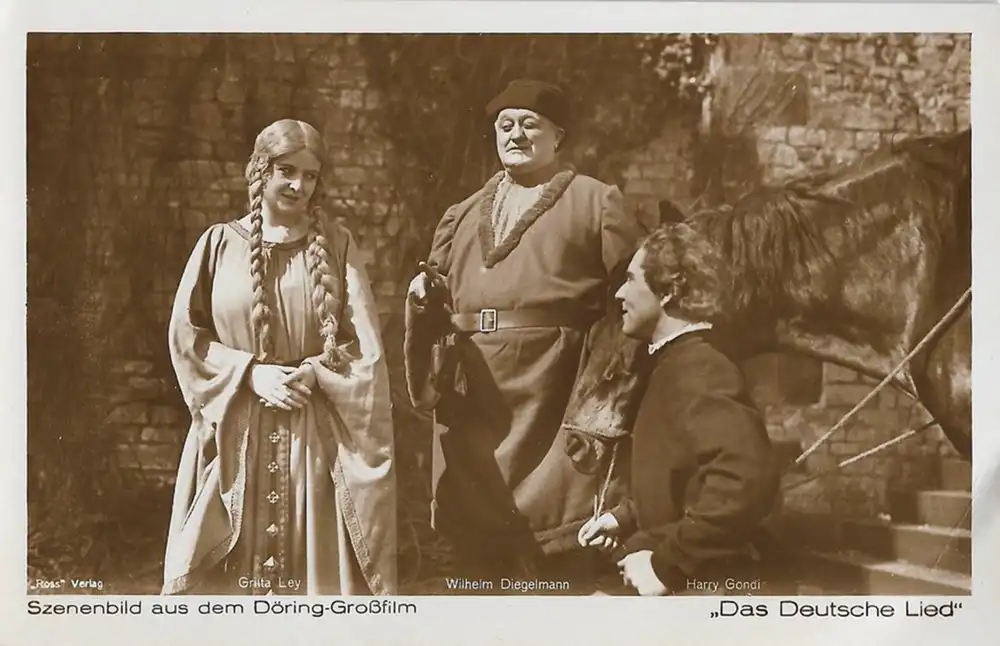
One shot that sticks with me, though it’s fleeting, is a close-up on Marga Döpke’s face during what seems to be a moment of quiet contemplation. Her expression, so subtle yet so present, really just pulls you in for a second. Then it cuts away, almost too fast.
The entire film has this almost documentary-like quality to it, even if it’s clearly fiction. It’s less about a grand narrative arc and more about soaking in the atmosphere. The sets, the costumes — everything feels so authentically period. It’s a good reminder of how much things have shifted, culturally speaking.
There are these small details, like the way the light catches a certain piece of furniture in a drawing-room scene, that really stand out. You wonder if the filmmakers even noticed, or if it was just happy accident. It makes the world feel lived-in, somehow.
It's not exactly a story you'd recommend for a casual Friday night. No, this one is for when you want to really sit with a film, letting its old-world charm wash over you. It's a bit like watching a very old, faded photograph come to life. Not always sharp, but full of character. 🖼️
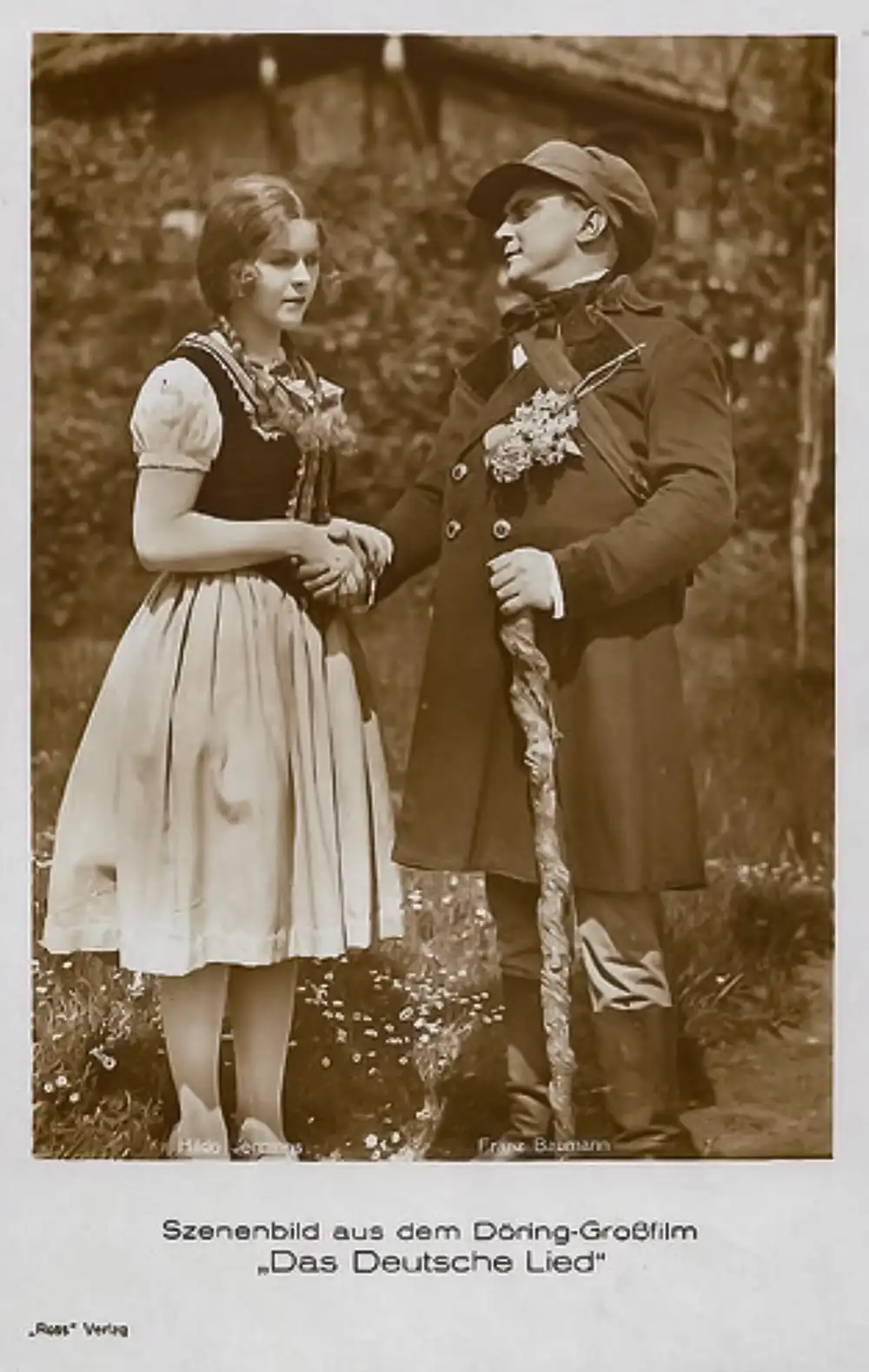
The sound, or lack thereof given its age, means you’re relying a lot on the visual storytelling. Sometimes you can practically feel the silence, broken only by an imagined piano score that probably accompanied it back in the day. It’s a different kind of engagement, a more active one, I think.
You find yourself piecing together meaning from gestures and glances. It's not spoon-fed, which is kinda refreshing, if a little demanding. Some scenes might just baffle you for a bit, then click into place after a moment.
Compare it to something like Manon Lescaut, another film from that period that captures a very specific cultural moment, albeit in a different country. Both offer a glimpse into filmmaking before the big sound era, relying heavily on visual drama.
Don't expect big twists or fast-paced action here. This is a film that takes its time, and expects you to take yours with it. It’s not trying to be anything it isn’t. Just a quiet, sometimes ponderous, look at a German song, whatever that might truly mean. Maybe it's just the feeling of the country itself. 🇩🇪
There’s a real sincerity to it, even when some of the acting feels a little dated. It wasn't trying to be flashy. It just *was*. And for that, it holds a certain, undeniable weight. Not a must-see for everyone, but a good one to keep in mind if you're ever feeling particularly retrospective.
IMDb 5.4
1934
Community
Log in to comment.