DbcultAccessing Vault...
6.5/10
Senior Film Conservator
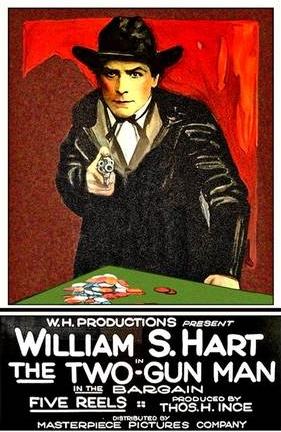
A definitive 6.5/10 rating for a film that redefined the boundaries of cult cinema. The Bargain remains a cornerstone of transgressive art.
The 1916 production directed by Thomas H. Ince arrives at a time when the American West was still a fertile ground for cinematic myth‑making. In a landscape of dusty plains and towering cacti, Ince weaves a narrative that feels both immediate and timeless, a testament to the silent era’s capacity for emotional depth without spoken dialogue. The film’s pacing, punctuated by the clatter of hooves and the creak of saloon doors, invites the viewer to linger on the tension between law and outlaw, between past and future. The film’s opening sequence, a slow‑moving camera following a lone rider against a setting sun, sets a tone of melancholy and determination. The absence of sound forces the audience to focus on facial expressions, body language, and the stark interplay of light and shadow. Ince’s choice of intertitles is sparse yet purposeful, allowing the visual narrative to speak louder than any written word. Even the frame composition—tight close‑ups of hands gripping a pistol, wide shots of a frontier town in twilight—conveys a sense of place that feels almost tactile. The result is a cinematic experience that feels both intimate and expansive, a hallmark of Ince’s directorial vision.
J. Frank Burke, cast as the titular outlaw, delivers a performance that oscillates between hardened grit and fragile vulnerability. His eyes, framed by a weather‑worn beard, convey a lifetime of regret even before the first intertitle appears. In scenes where Burke’s character—Jim Stokes—stands at a crossroads, the actor’s subtle shifts in posture betray an internal conflict that resonates with audiences across generations. The physicality of his portrayal—sharp, decisive movements juxtaposed with hesitant, almost trembling gestures—creates a layered character whose humanity eclipses the archetypal cowboy. Burke’s ability to embody both menace and tenderness elevates the film beyond a simple Western plotline, inviting viewers to question the nature of redemption. Moreover, Burke’s collaboration with the film’s cinematographer, Frank D. Williams, results in a visual rhythm that mirrors the protagonist’s emotional journey. The interplay of shadows and light across Burke’s face during pivotal moments underscores the duality of his character: the outlaw he once was and the man he aspires to become. In scenes where he confronts the town’s sheriff, the tension is palpable, and Burke’s nuanced performance ensures that the audience feels the weight of every decision he makes.
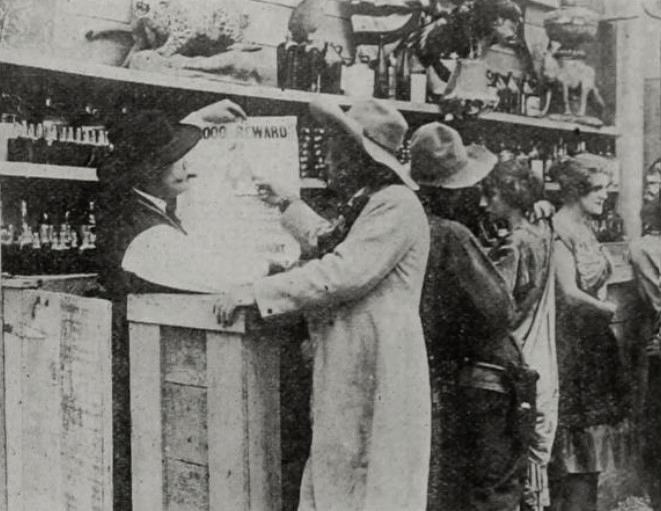
Jim Stokes is introduced not as a villain, but as a man shackled by his past and yearning for redemption. His marriage to a young bride—a symbol of new beginnings—serves as a catalyst for his transformation. Yet the law’s relentless pursuit forces him to confront the very demons that once defined him. The narrative arc follows Stokes as he navigates a landscape where every rustling leaf and distant gunshot threatens to undo his fragile hope. In one memorable scene, Stokes stands before the sheriff’s office, eyes fixed on the dusty windows, while the silence speaks louder than any dialogue. This moment captures the essence of his internal struggle: a desire to be free juxtaposed against the fear of being condemned. Throughout the film, Stokes’ interactions with the townsfolk reveal his growing empathy, as he listens to their grievances and offers quiet support. These moments, framed by the muted palette of the silent era, emphasize the universal longing for a second chance. By the film’s climax, Stokes has evolved from a hardened outlaw into a reluctant hero, embodying the possibility that change is not only possible but inevitable when one is willing to confront the past.
The sheriff, portrayed by Charles Swickard, embodies the moral compass of the frontier. His stoic demeanor masks a strategic mind, constantly weighing the costs of justice against the benefits of mercy. In scenes where he confronts Stokes, the sheriff’s voice is replaced by a stern silence, punctuated only by the clack of his badge. Swickard’s performance is a study in restraint; he conveys authority through posture rather than words, a technique that resonates with the film’s silent medium. The sheriff’s relationship with Stokes is a dance of mutual respect and cautious calculation, each recognizing the other’s role in maintaining the fragile equilibrium of the town. His decision to offer Stokes a bargain is not a mere act of leniency; it is a calculated gamble aimed at restoring order and preventing the looming threat of the land baron. The sheriff’s internal conflict—between upholding the law and protecting his community—adds depth to his character, turning him from a one‑dimensional figure into a nuanced participant in the story’s moral quandary. The subtle exchange of glances with Stokes during the negotiation scene underscores the fragile trust that underpins their alliance.
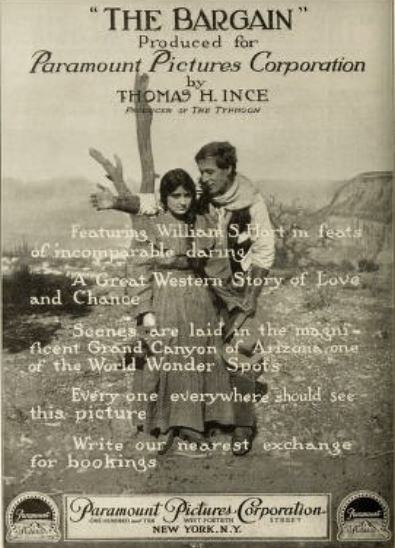
The bargain itself is a pivotal narrative pivot, a contract forged in the heat of a dusty courthouse and sealed with a promise of redemption. Stokes agrees to confront the land baron, a ruthless figure threatening the town’s future, in exchange for the sheriff’s clemency. This agreement is depicted with a quiet intensity, each gesture weighed and measured. The film uses intertitles sparingly, allowing the visual weight of the scene to carry the weight of the pact. The camera lingers on the sheriff’s hand, steady as he passes the badge to Stokes, while the backdrop of the town’s main street hums with anticipation. Such a bargain echoes the moral dilemmas of other silent Westerns, where personal salvation is often tied to communal survival. The stakes are clear: Stokes must prove his loyalty by confronting the baron’s henchmen, thereby securing his freedom and the town’s safety. The scene’s composition—tight framing on the exchanged badge, wide shots of the looming frontier—reinforces the gravity of the moment, illustrating how individual choices ripple across a community.
The land baron, a menacing presence embodied by J. Barney Sherry, represents the corrupt forces that threaten the fragile harmony of the frontier. His ambitions are rooted in greed, and his tactics—intimidation, bribery, and violence—create a palpable tension that permeates the film. Sherry’s character is portrayed with a cold, calculating demeanor, his eyes always scanning for weakness. The baron’s henchmen, a group of rugged men, serve as the physical manifestation of his power, their presence a constant reminder of the danger that looms over the town. Stokes’ confrontation with the baron is a masterclass in silent storytelling. The film captures the escalating conflict through a series of choreographed gunfights, each shot punctuated by the rapid flicker of intertitles that provide context without breaking immersion. The baron’s final showdown with Stokes is not merely a battle of arms but a clash of ideologies: greed versus redemption, lawlessness versus order. In the film’s climax, the baron’s defeat is both literal and symbolic, underscoring the triumph of integrity over corruption.
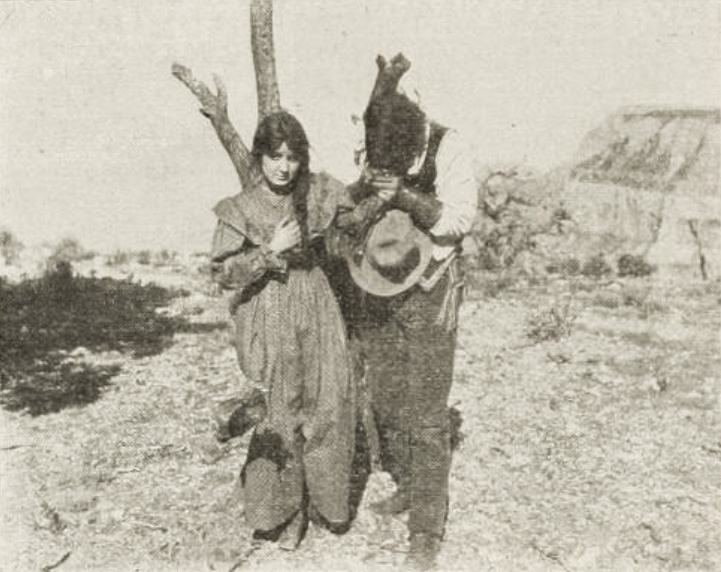
Cinematography in ‘The Bargain’ is a silent poem, employing lighting, framing, and camera movement to convey emotion. The film’s cinematographer, Frank D. Williams, masterfully uses chiaroscuro to highlight the moral ambiguity of each character. Scenes set against the blazing sunset cast long shadows over the town, creating an atmosphere that feels both hopeful and foreboding. The use of close‑ups on Stokes’ face during moments of introspection allows the audience to read the subtle shifts in his demeanor, while wide shots of the frontier emphasize the vastness of the world he must navigate. Moreover, the film’s editing is deliberately paced, allowing viewers to absorb each visual cue. The silent era’s constraints—no synchronized sound—necessitated a visual language that could communicate complex narratives. In ‘The Bargain,’ this is achieved through deliberate gestures, expressive facial expressions, and the rhythmic use of silence. The result is a cinematic experience that feels both timeless and immediate, a testament to the artistry of early filmmakers.
The film’s central themes revolve around redemption, honor, and the price of freedom. Stokes’ journey is a microcosm of the human desire to break free from past transgressions and build a new identity. The sheriff’s role underscores the delicate balance between justice and mercy, illustrating that true lawfulness often requires compromise. The land baron’s greed serves as a cautionary tale about the corrosive nature of power. Throughout the narrative, the film also touches on the concept of community responsibility. The townsfolk’s collective support for Stokes—though hesitant—demonstrates the importance of solidarity in the face of adversity. By weaving these themes together, ‘The Bargain’ offers a layered exploration of morality that transcends its era, resonating with contemporary audiences who still grapple with similar dilemmas.
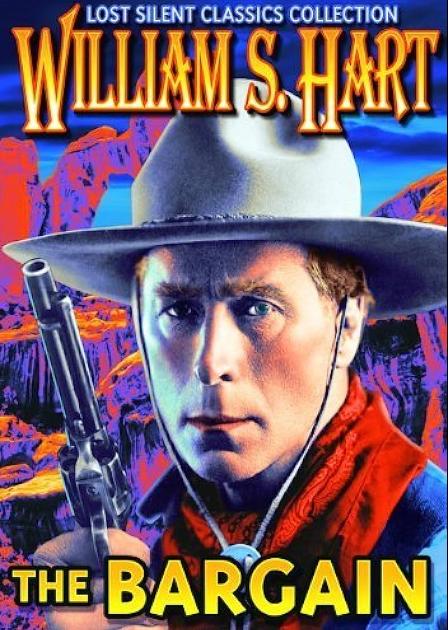
When placed alongside other silent Westerns such as Glacier National Park or the more mythic The Redemption of White Hawk, ‘The Bargain’ stands out for its focus on personal transformation rather than grandiose spectacle. While Glacier National Park emphasizes the rugged beauty of the American frontier, ‘The Bargain’ delves into the psychological landscapes of its characters. Similarly, the moral complexities explored in The Redemption of White Hawk echo those in this film, though ‘The Bargain’ presents them in a more intimate, character‑driven format. Additionally, the film’s depiction of the sheriff’s moral ambiguity invites comparison to later Westerns like The Three Musketeers adapted for the screen, where authority figures grapple with personal ethics. The use of a negotiated pact as a plot device also prefigures the thematic structure seen in later works such as The Corbett‑Fitzsimmons Fight, where personal redemption is tied to communal stakes. These intertextual echoes highlight the film’s enduring influence on the Western genre.
Produced by the Thomas H. Ince Corporation, ‘The Bargain’ reflects the studio’s commitment to high production values and narrative depth. Ince, known for pioneering the studio system, brought a disciplined approach to filmmaking, ensuring that even silent features adhered to strict schedules and budgets. The film’s set design—crafted by art director William H. Clifford—captures the dusty, sun‑bleached aesthetic of the frontier, while the musical score, though lost to time, would have complemented the film’s dramatic beats. Moreover, the casting of J. Frank Burke, a seasoned actor in silent cinema, exemplifies Ince’s strategy of pairing reliable talent with compelling scripts. The collaborative effort of writers Thomas H. Ince, William H. Clifford, and Richard V. Spencer culminated in a narrative that balances action with introspection. The film’s release in 1916 positioned it amid a burgeoning interest in Westerns, offering audiences an emotionally resonant story that aligned with contemporary social concerns about law, order, and redemption.
‘The Bargain’ has left an indelible mark on the Western genre, influencing subsequent filmmakers who sought to explore the moral complexities of frontier life. Its portrayal of a protagonist willing to confront his past for the sake of a community set a precedent for character‑driven narratives in later silent and sound Westerns. Modern critics often cite the film as a touchstone for the genre’s evolution, noting its subtle interplay of visual storytelling and thematic depth. Film scholars also point to the film’s influence on later works such as The Life and Passion of Christ for its emphasis on sacrifice and redemption, and The Life and Death of King Richard III for its exploration of power dynamics. In contemporary retrospectives, ‘The Bargain’ is frequently screened at silent film festivals, where audiences appreciate its timeless appeal. Its preservation in archives underscores the film’s cultural significance and the enduring fascination with early cinema’s artistic achievements.
In conclusion, ‘The Bargain’ stands as a testament to the silent era’s capacity to craft profound narratives without spoken words. Through J. Frank Burke’s nuanced performance, Thomas H. Ince’s visionary direction, and a cast that breathes life into a morally charged story, the film transcends its era to offer a universal meditation on redemption and responsibility. Its elegant use of visual language, coupled with thematic richness, ensures that the film remains a cornerstone of early American cinema and a source of inspiration for modern filmmakers exploring the human condition.
IMDb 5.8
1928
Community
Log in to comment.