DbcultAccessing Vault...
Cult Review
Senior Film Conservator
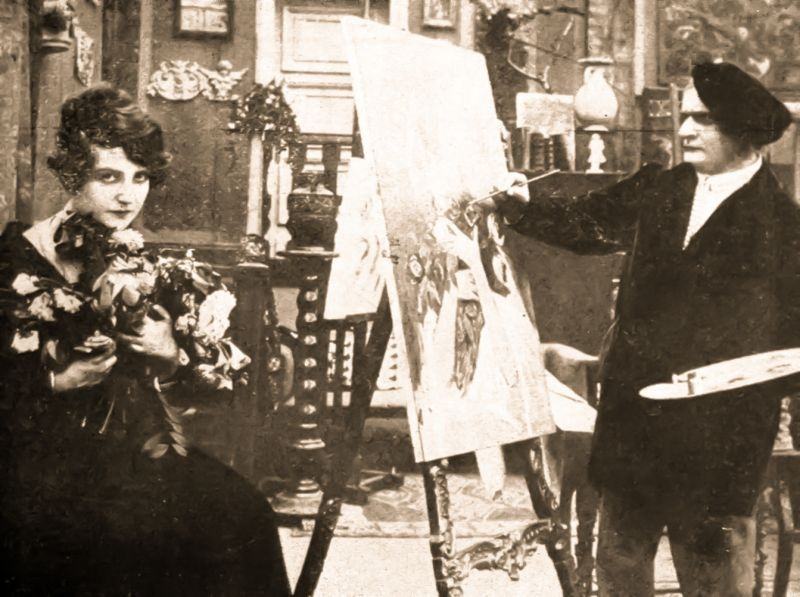
Imagine a world where the rustle of petticoats sounds like sabres being unsheathed, where a single goat bleat can unspool a dynasty—that world is A Csitri, the 1936 Hungarian countryside grenade lobbed at the gentry’s smug dinner table.
Director István György’s camera lingers on cracked mud the way other filmmakers linger on cleavage; every fleck of dirt is erotic, every sun-blistered plank a potential guillotine. The plot, deceptively bucolic, follows Csitri (Teréz Kürti), a barefoot strategist who could outwit Machiavelli while churning butter one-handed. She arrives at the estate of Baron Hodoshely (Gyula Gál) ostensibly to tend geese, but actually to audit the baron’s moral bankruptcy. Kürti plays her like a fiddle string pulled taut—one wrong glance and the whole score detonates.
Elga Beck’s Countess Aranka is the perfect foil: a porcelain doll stuffed with wasps, eyes flicking left-right like a metronome counting sins. Their first shared frame—Csitri muddy to the knee, Aranka swaddled in Parisian lace—could hang in the Louvre under the title Vertigo of Class. The countess extends a gloved hand expecting obeisance; Csitri wipes chicken shit on the kid leather. Cue string section.
Forget bucolic escapism; this is bucolic escalation. The writers—Pál Forró, Henri de Gorsse, Pierre Veber—import the brisk cruelty of French boulevard comedy and marinate it in Hungarian paprika. Dialogue snaps like green kindling: "Your Excellency, if shame were soil, you’d have enough acreage to feed Europe." Compare that to the treacly sentimentality of Tangled Hearts or the dime-store Dickens of The College Orphan and you’ll taste the difference—brandy versus corn syrup.
Cinematographer Árpád Makay shoots summer like a crime scene. Sunlight isn’t romantic; it’s forensic, revealing every scuff on a silk boot, every tremor of a lying lip. In the pivotal barn-raising sequence, the camera ascends to the rafters, gazing down on peasants and aristocrats yoked together. From that height, the social hierarchy looks as arbitrary as a spilled box of matchsticks. The baron’s crested blazer is indistinguishable from a grain sack once both are soaked in sweat.
Teréz Kürti’s Csitri never begs for applause; she confiscates it. Watch her eyes in the third-act confession scene—half the screen is shadow, half is candleblaze, and her pupils oscillate between the two like a moral pendulum. She delivers the line "I have stolen, sir, but only what was already stolen from us" with the off-hand chill of someone returning borrowed salt. It’s the antithesis of the theatrical breast-beating in The Birth of Patriotism.
Gyula Gál’s baron starts off as stock melodrama—a moustache eager to be twirled—but mid-film something fractures. When Csitri publicly calculates the compound interest on his ancestors’ sins, Gál lets the smug mask slip; what oozes out is not rage but fear, raw and infantile. The moment is so naked you almost pity the velvet parasite. Almost.
Ila Lóth, as the local priest caught between pulpit and pub, provides the film’s only moral zig-zag. He sermonises against gossip while trading juicy morsels of it for palinka. His comic hypocrisy is miles sharper than the lantern-jawed moral absolutism of Man of the Hour.
Made during the Horthy regime, A Csitri smuggles subversion past censors by wrapping it in folksy embroidery. The film’s score—folk tunes butchered into waltz time—mirrors the narrative strategy: familiar melodies twisted until they bite. Listen closely and you’ll hear the same chord progression later used in wartime resistance songs; the melody smirks at authority while shaking its hand.
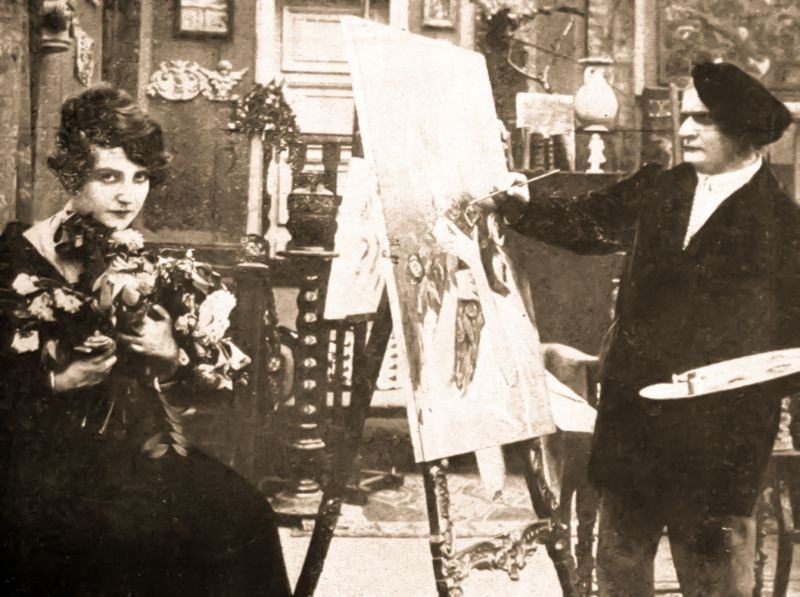
Compare this sonic camouflage to the thunderous orchestral propaganda of The Dishonored Medal and you appreciate the value of whispered rebellion over shouted orthodoxy.
The film understands that patriarchy’s Achilles heel is ridicule, not rifles. Csitri doesn’t duel; she demoralises. In the ballroom scene she swaps the baron’s ceremonial sword with a churning stick wrapped in lace. When he unsheathes it before his peers, he brandishes domesticity itself—a public gelding executed with a smirk. It’s the sort of gendered judo that Her Condoned Sin flirts with but ultimately sandbags under moralistic rehabilitation.
And note the costume arc: Csitri enters in burlap, exits in silk, but the silk is torn, stitched with hay. She refuses the Cinderella trajectory; instead she weaponises glamour, letting the countess’s hand-me-downs hang off her like scarecrow rags—an aesthetic middle finger to aspirational consumerism.
Editor Margit Makk practices what the Soviets would later call intellectual montage. She juxtaposes a peasant child licking a metal spoon with a cut to the baron gilding his dining-room cherubs. The spoon’s metallic glint rhymes visually with the gold leaf; suddenly taste and wealth share the same metallic tang, implying that both nourish in unequal doses. It’s Eisenstein with a sense of humour, and it predates similar class-editing in Hearts in Exile by a full decade.
Modern viewers will spot DNA strands in everything from Parasite’s staircase symbolism to The Favourite’s courtly venom. Yet A Csitri remains stubbornly regional, rooted in the puszta’s dust. Its influence is less direct, more like a folk tune you swear you’ve never heard but somehow hum by heart.
Meanwhile, Hollywood was busy moralising in Truthful Tulliver or flexing imperial bravado in The Pendleton, Oregon, Round-Up. Hungarian cinema, under the radar, forged a shiv sharp enough to eviscerate entitlement while smiling wide enough to pass the censor’s knife.
Because satire ages like tokaji wine—slow, then all at once. Because the sight of a goose-girl outmanoeuvring bluebloods never stops being erotic. Because in an era of algorithmic nostalgia, A Csitri offers the rare vintage that still bites back.
Watch it on a night when you’re fed up with algorithm-curated "empowerment" that ends in shopping montages. Watch it when you crave the catharsis of class comeuppance that doesn’t require a Marvel super-suit. Watch it, most of all, to remember that revolutions can start with a wink, a milking stool, and a girl who refuses to apologise for the mud on her heels.
Running time: 78 min. Language: Hungarian (English subtitles). Availability: restored 4K on Arthouse Streamer; Blu-ray from Hungarian Film Archive. Spoiler etiquette: this review reveals the ballroom humiliation but preserves the final visual gut-punch.

IMDb 6.5
1936
Community
Log in to comment.