DbcultAccessing Vault...
Cult Review
Senior Film Conservator
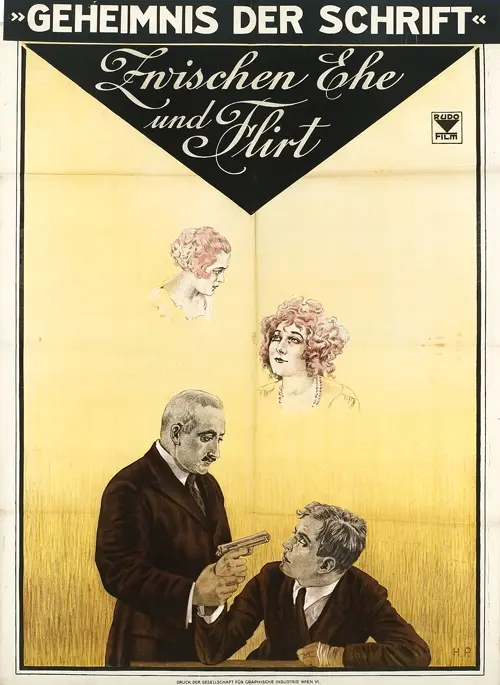
The screen opens to a dimly lit office, the only light coming from a single lamp casting long, ominous shadows. Rafael Schermann, a renowned author, sits at his desk, pen in hand, as the camera pans over his cluttered workspace. The air is thick with the scent of ink and the faint sound of a typewriter in the background, setting the tone for a story that is both a psychological thriller and a social commentary.
The plot of Das Geheimnis der Schrift is a masterful blend of intrigue, moral complexity, and emotional turmoil. Rafael Schermann, played by Rafael Schermann, is a man of many talents, but his brilliance is overshadowed by a dark secret that threatens to unravel his carefully constructed life. As the story unfolds, we are introduced to a cast of characters that each plays a pivotal role in the unfolding drama.
Erika Glässner, the talented and ambitious collaborator, is portrayed by Erika Glässner. Her character is a catalyst for change, introducing the first layers of complexity as she challenges Schermann’s established narrative. Albert von Kersten, the meticulous and unyielding editor, is played by Albert von Kersten. His role is that of a gatekeeper of truth, ensuring that no detail is overlooked. The publisher, Eugen Neufeld, portrayed by Eugen Neufeld, is the driving force behind Schermann's success, but his role is tinged with a hint of manipulation.
The narrative is structured around a series of flashbacks and present-day revelations, weaving a tapestry of events that are both meticulously detailed and emotionally charged. The film’s exploration of the moral ambiguity is particularly striking, as viewers are forced to question their own moral compass in the face of Schermann’s actions.
The cinematography is a masterclass in tension, with long shots and close-ups that emphasize the characters' inner turmoil. The use of chiaroscuro lighting further enhances the sense of unease, making the audience feel as if they are part of the story. The score, composed by a talented musician, adds another layer of depth, with haunting melodies that underscore the film’s emotional weight.
Das Geheimnis der Schrift’s screenplay, crafted by the anonymous writers, is a tour de force of dialogue and character development. The characters’ motivations are clear yet complex, making them deeply relatable and flawed. The tension builds gradually, reaching a crescendo in the film’s climax, which is both shocking and satisfying.
The performances are uniformly stellar. Rafael Schermann, in his lead role, brings a nuanced portrayal of Schermann, capturing the humanity and vulnerability that lie beneath the surface. Erika Glässner, Albert von Kersten, and Eugen Neufeld all deliver standout performances, adding layers of depth to their characters and driving the plot forward.
The film’s exploration of the relationship between art and morality is particularly thought-provoking. Schermann’s writing is a reflection of his inner turmoil, but the question remains: is it the artist or the work that is the true source of the moral corruption? This ethical dilemma is central to the film’s narrative, making for a powerful commentary on the nature of creativity and the impact of one’s actions.
Comparisons to other films in this genre, such as His Wife Jimmy and Lunatics in Politics, are apt. However, Das Geheimnis der Schrift stands out with its unique narrative structure and subtle direction. The film’s ability to evoke a sense of dread and suspense is particularly noteworthy, creating a chilling experience for the audience.
At its core, Das Geheimnis der Schrift is a masterful exploration of the human condition. It challenges viewers to question their own beliefs and assumptions, offering a profound insight into the complexities of human nature. For those who enjoy films that challenge the mind and the soul, Das Geheimnis der Schrift is a must-watch.
IMDb —
1919
Community
Log in to comment.