DbcultAccessing Vault...
6/10
Senior Film Conservator
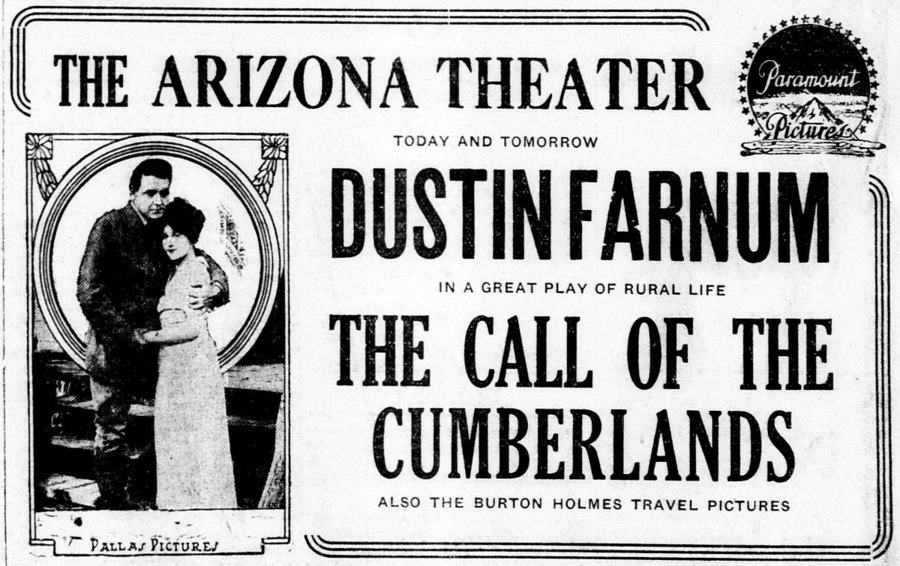
A definitive 6/10 rating for a film that redefined the boundaries of cult cinema. The Call of the Cumberlands remains a cornerstone of transgressive art.
The silent era, a period often romanticized and, regrettably, sometimes overlooked, yielded a treasure trove of cinematic narratives that dared to explore the rawest edges of human experience. Among these, 'The Call of the Cumberlands' emerges as a compelling artifact, a testament to the enduring power of elemental storytelling. This film, rooted in the dramatic landscapes of the Kentucky mountains, delves into a theme as ancient as humanity itself: the family feud. It's a narrative mechanism that, while seemingly straightforward, allows for a profound excavation of loyalty, honor, vengeance, and the often-futile quest for peace amidst inherited conflict. The very title evokes a sense of both geographical specificity and a primal beckoning, a summons to a world where tradition holds sway and grudges run as deep as the mountain hollows themselves.
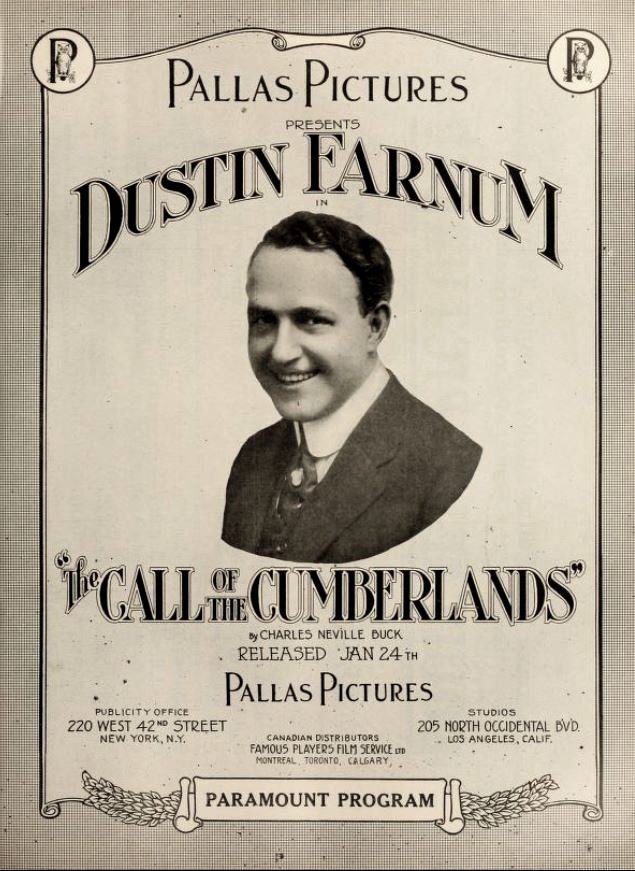
At its heart, 'The Call of the Cumberlands' is an examination of the socio-cultural fabric of a particular American milieu, one where isolation breeds a fierce independence but also entrenches ancient grievances. The story, as distilled to its essence, presents a family feud erupting in the mountains of Kentucky. Yet, this simple premise belies a rich tapestry of potential character arcs and thematic explorations. One can imagine Dustin Farnum, a prominent star of the time, embodying a protagonist like Jack Sutherland, a character caught in the crosscurrents of inherited animosity and a personal yearning for transcendence. His presence would have lent a gravitas and a certain rugged authenticity to the role, perfectly suiting the stoic yet passionate archetype often found in these regional dramas. Winifred Kingston, perhaps as a spirited heroine from the rival clan, would have provided the vital counterpoint, a beacon of hope or a tragic figure whose love transcends the manufactured boundaries of conflict. The interplay between such characters, driven by forces beyond their immediate control, forms the dramatic crucible of the film.
The screenwriters, Charles Neville Buck and Julia Crawford Ivers, were tasked with transforming a common trope into a gripping cinematic experience. Their craft would have been in weaving intricate subplots around the central conflict, perhaps introducing a catalyst for the feud's re-ignition – a boundary dispute, a perceived slight, a contested inheritance, or even a forbidden romance that sparks new flames from old embers. The beauty of silent film, particularly in this genre, often lay in its ability to convey profound emotion through stark visual storytelling and the nuanced performances of its cast. Howard Davies, Herbert Standing, Page Peters, Myrtle Stedman, Michael Hallvard, Joe Ray, Gordon Griffith, Virginia Foltz, and Richard L'Estrange would each contribute to painting a vivid portrait of this mountain community, embodying the various facets of loyalty, betrayal, and resilience. Each face, each gesture, would have been a brushstroke in a larger, emotionally resonant canvas.
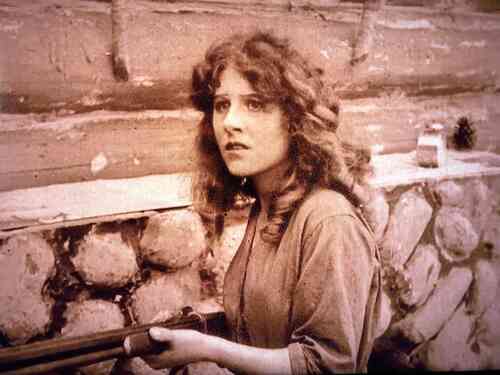
The cinematic language of the period, rich with expressive intertitles and often melodramatic acting, would have been crucial in conveying the motivations and internal struggles of the characters. Imagine the close-ups on a clenched jaw, a tearful eye, or a defiant stance, all amplified by the stark black and white photography. The landscape itself would have been a character, the imposing mountains serving as both a refuge and a prison, their craggy peaks and winding trails mirroring the convoluted paths of human conflict. The cinematography would likely have emphasized the vastness and wildness of the Cumberlands, using wide shots to establish the isolation and the sheer scale of the natural world against which human dramas unfold. This visual grandeur would have been essential in grounding the story, making the stakes feel even higher against such an unforgiving backdrop.
The thematic resonance of 'The Call of the Cumberlands' extends beyond a mere tale of familial discord. It touches upon deeper questions of justice versus revenge, the weight of tradition versus the yearning for progress, and the individual's struggle against the collective will of their clan. In this regard, it shares a spiritual kinship with other films that explore the burdens of societal expectation and the fight for personal conviction. One might draw parallels to the steadfast determination seen in Four Feathers, where characters grapple with honor and duty in the face of overwhelming odds, albeit in a vastly different setting. Or, consider the entrenched social conflicts explored in films like Elnémult harangok, where cultural or religious divides fuel enduring animosities. The universality of these themes is precisely what allows such period pieces to retain their relevance, inviting modern audiences to reflect on the timeless nature of human conflict and reconciliation.
The escalation of the feud in 'The Call of the Cumberlands' would have been meticulously crafted, moving from simmering tension to outright violence. Perhaps an incident involving livestock theft, a boundary dispute, or a simple misunderstanding blown out of proportion serves as the spark. This initial incident would then ignite a series of retaliatory acts, each one deepening the chasm between the families. A young man, perhaps Dustin Farnum's character, might witness a particularly brutal act, forcing him to question the validity of the endless cycle. This moment of awakening, a realization that the feud has consumed more than it has ever resolved, would be a pivotal turning point in his character arc. His internal conflict, the struggle between inherited loyalty and a nascent desire for a better way, would have been portrayed through intense, silent anguish, relying on the actor's ability to convey profound emotion without dialogue.
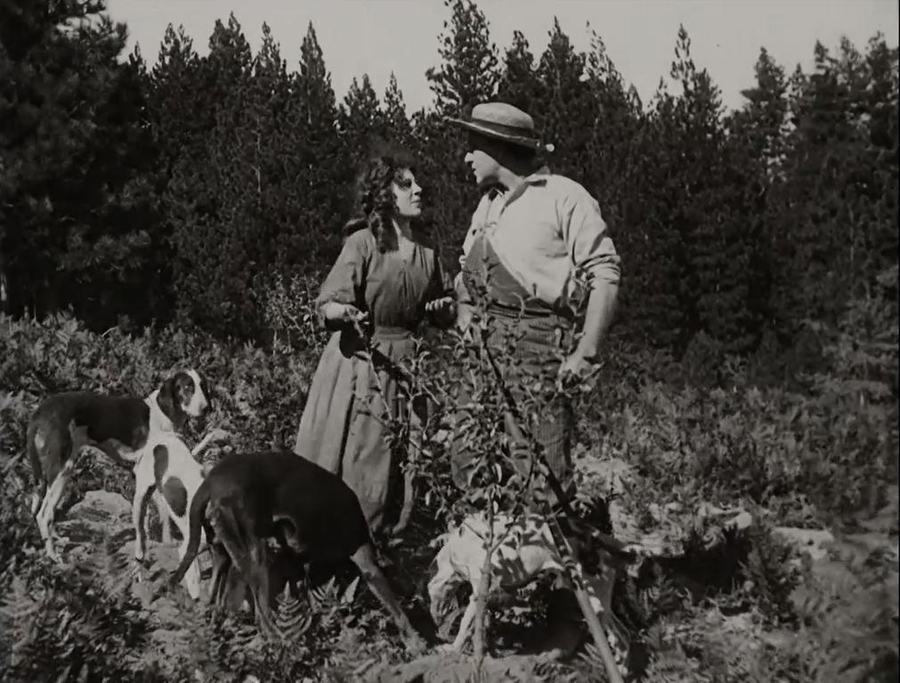
The potential for a star-crossed romance, a classic narrative device, would have been a potent element in 'The Call of the Cumberlands'. Imagine Winifred Kingston's character, perhaps a spirited and independent young woman from the opposing family, falling in love with Jack Sutherland. Their secret meetings, fraught with danger and the constant threat of discovery, would have provided moments of tender respite amidst the pervasive tension. This forbidden love would not only offer a glimmer of hope for reconciliation but also serve as a powerful symbol of the possibility of transcending generational hatred. Their defiance of the feud's dictates would likely galvanize others, or at the very least, highlight the absurdity and tragedy of the ongoing conflict. The sacrifices they might have to make for their love, or for peace, would form the emotional core of the film's climax.
The film's exploration of justice is also noteworthy. In a land where formal law might be distant or mistrusted, mountain folk often adhere to their own codes of honor and retribution. 'The Call of the Cumberlands' would have likely showcased this complex system, where personal vengeance is often seen as a legitimate form of justice. However, the narrative would also implicitly question the sustainability and morality of such a system. Is true justice ever achieved through an endless cycle of 'an eye for an eye'? Or does it only lead to further devastation? This moral quandary is a powerful one, inviting audiences to consider the nature of conflict resolution. Comparisons could be drawn to films like Conscience or As a Man Sows, which delved into the moral complexities of human actions and their consequences, albeit possibly in more urban or domestic settings. The rugged Appalachian environment merely amplifies these ethical dilemmas, making them starker and more immediate.
The climax of 'The Call of the Cumberlands' would undoubtedly have been a high-stakes affair. Perhaps a grand confrontation between the two families, a dramatic standoff in a mountain pass or a climactic trial where the truth of an ancient wrong is finally revealed. The resolution might not be a simple 'happily ever after' but rather a hard-won peace, a fragile truce forged through immense sacrifice. It could involve the death of a significant character, a tragic price paid for the cessation of hostilities, or a powerful act of forgiveness that breaks the chain of vengeance. The film would leave the audience with a profound sense of the human cost of prolonged conflict, but also perhaps a lingering hope for the future, a belief that even the deepest wounds can eventually heal. The final shots might linger on the vast, unchanging mountains, implying that while human dramas unfold and resolve, the land itself remains, a silent witness to generations of struggle and endurance.
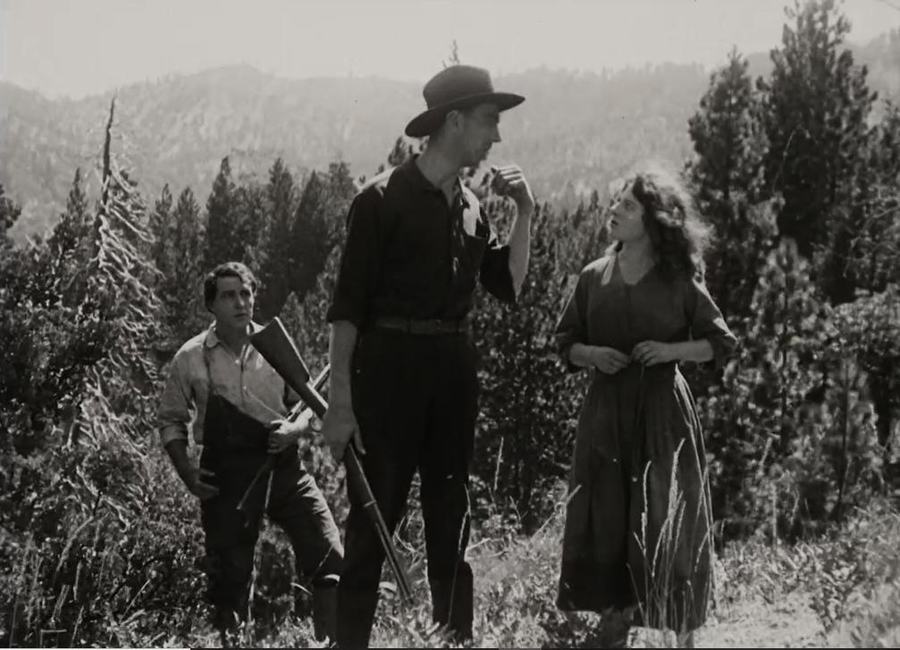
The legacy of 'The Call of the Cumberlands' lies in its contribution to the rich tapestry of early American cinema, particularly in its depiction of regional identity and the universal themes embedded within localized conflicts. Films of this ilk were instrumental in shaping the nascent cinematic language, demonstrating how powerful stories could be told without spoken words, relying instead on visual poetry, compelling performances, and the sheer force of human emotion. The film would have resonated with audiences of its time, offering both escapism and a reflection of contemporary societal concerns regarding lawlessness, community, and the search for belonging. Its enduring appeal, even for modern viewers who might only encounter it through fragmented archives, rests on its ability to tap into fundamental human experiences that transcend the specificities of its setting and era. It’s a powerful reminder of how cinema, even in its earliest forms, could capture the very essence of the human spirit, its flaws, its triumphs, and its endless capacity for both destruction and redemption. The enduring call of the Cumberlands, therefore, is not just a call to a place, but a call to introspection, a timeless invitation to understand the cycles that bind us and the choices that can set us free.
In examining 'The Call of the Cumberlands', one cannot help but appreciate the artistry involved in crafting such a narrative during the silent era. The nuances of character portrayal by actors like Dustin Farnum and Winifred Kingston, the carefully constructed plot by Buck and Ivers, and the implied directorial vision all contribute to what would have been a significant cinematic achievement. The use of natural light, the framing of expansive landscapes, and the dramatic staging of confrontations would have been critical in immersing the audience in this world. The film stands as a testament to the fact that compelling storytelling transcends technological limitations. Even without synchronized sound, a well-crafted narrative, brought to life by talented performers and visionary creators, can evoke the full spectrum of human emotion, from the deepest sorrow to the most profound joy. It reminds us that the heart of cinema has always been, and will always be, the story itself, told with passion and conviction.
The themes of honor and retribution, so central to this film, echo through history and literature. The idea of a personal code of conduct, sometimes at odds with formal legal structures, is a compelling one. The film likely explored how these codes, while intended to uphold justice within a community, could paradoxically perpetuate cycles of violence, transforming initial grievances into generational curses. The choice between upholding a family's 'honor' and seeking a path of peace is a profound moral dilemma, and the film would have presented this stark choice through its characters' actions and reactions. This exploration of moral ambiguity is a hallmark of truly impactful storytelling, encouraging audiences to consider the complexities of right and wrong, particularly when deeply ingrained traditions are at stake. It's a testament to the film's potential depth that it could tackle such weighty philosophical questions within the framework of an action-packed mountain drama.
Furthermore, the depiction of community and isolation would have been a crucial element. The Cumberland mountains, while providing a stunning backdrop, also represent a degree of insularity. This isolation could foster strong communal bonds but also lead to a heightened sense of 'us versus them,' exacerbating inter-family rivalries. The film would likely illustrate how external influences, perhaps a burgeoning industrial presence or the arrival of outsiders, could either further destabilize the fragile peace or, conversely, act as a catalyst for change and eventual reconciliation. The interaction between the established mountain way of life and the encroaching modernity would have added another layer of conflict and nuance to the narrative. Such cultural clashes were common themes in the early 20th century, reflecting broader societal shifts across America. Films like The Broken Promise or Through Fire to Fortune might have explored similar societal tensions, though perhaps in different contexts, showcasing how cinematic narratives often mirrored the anxieties and aspirations of their contemporary audiences.
The psychological toll of living under the shadow of a feud would also be a rich area for exploration. The constant vigilance, the fear of ambush, the perpetual grief for lost loved ones — these emotional burdens would have been conveyed through the subtle (or not-so-subtle, given the era) expressions of the actors. The film might have shown characters grappling with trauma, their faces etched with weariness and sorrow, even as they continued to uphold the traditions of their ancestors. This human element, the personal cost of collective animosity, is what elevates a simple plot into a profound commentary on the human condition. The yearning for escape, for a life free from the endless cycle of violence, would be a powerful undercurrent, particularly for the younger generation. It’s a narrative thread that resonates deeply, reminding us that even in the most entrenched conflicts, the desire for peace and normalcy persists.
Ultimately, 'The Call of the Cumberlands' would have stood as a powerful example of early American cinema's capacity for narrative depth and emotional resonance. It is a film that, even in its silent grandeur, speaks volumes about the human spirit's resilience, its capacity for both profound hatred and enduring love. The story of a Kentucky mountain feud is more than just a historical curiosity; it is a timeless exploration of conflict, community, and the arduous journey towards reconciliation. The film's legacy is found not only in its likely critical reception at the time but in its contribution to the ongoing cinematic conversation about identity, honor, and the enduring power of the human heart to seek peace, even amidst the most violent storms. It calls to us from the past, a silent echo of struggles that continue to shape our world, inviting us to listen to the whispers of the mountains and the stories they hold within their ancient folds.
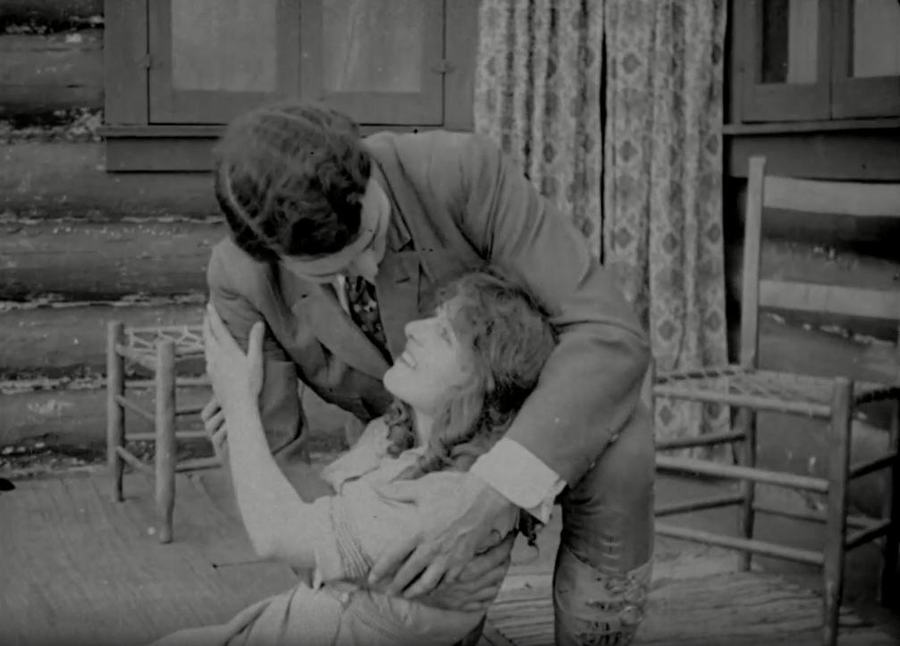
The narrative potential for 'The Call of the Cumberlands' also extends to its portrayal of female characters. While often set in patriarchal societies, these dramas frequently featured strong, resilient women who played pivotal roles, whether as peacemakers, instigators, or tragic figures caught in the crossfire. Winifred Kingston's character, for instance, might not merely be a love interest but a force of nature in her own right, challenging the patriarchal norms of her community or actively seeking to end the feud through her own ingenuity and courage. Her actions could be a driving force for change, perhaps even more so than the male protagonists who are often bound by rigid codes of honor. This feminist undercurrent, subtle yet powerful, would add another layer of complexity to the film, reflecting the evolving roles of women in society even during the early 20th century. Such portrayals offer a fascinating glimpse into the social dynamics of the era, showcasing how cinema, even when seemingly traditional, could subtly push boundaries.
The aesthetic choices in 'The Call of the Cumberlands' would have been crucial for its impact. The contrast between the stark, rugged beauty of the mountains and the raw, often brutal, human drama unfolding within them provides a powerful visual metaphor. The use of shadow and light, a hallmark of silent film cinematography, would have been employed to heighten tension and convey emotional states. A scene of a lone figure silhouetted against a mountain sunset, or a clandestine meeting bathed in moonlight, would have been visually arresting and emotionally resonant. The film's ability to translate the grandeur of its setting into a compelling visual narrative would have been key to its success. This visual storytelling, combined with the emotive performances, would create an immersive experience, drawing the audience into the heart of the Cumberland conflict. It's a reminder that truly great cinema, regardless of its technological era, always finds innovative ways to communicate its message and move its audience.
Considering the film's place in cinematic history, 'The Call of the Cumberlands' would have contributed significantly to the burgeoning genre of regional dramas. These films often sought to capture the unique flavor and challenges of specific American locales, from the bustling cities to the wild frontiers. The Kentucky mountains, with their rich folklore and distinct cultural identity, provided fertile ground for such storytelling. The film likely served as both entertainment and a form of cultural documentation, offering audiences a glimpse into a world that, for many, would have been utterly alien. This dual function underscores the power of early cinema not just as an art form, but as a cultural mirror. Its ability to transport viewers to different worlds, whether real or imagined, was a key factor in its rapid ascent as a dominant form of popular entertainment. The film stands as a testament to the enduring fascination with stories of conflict, survival, and the human spirit's unbreakable will against the backdrop of an untamed wilderness.
The emotional core of 'The Call of the Cumberlands' would reside in its portrayal of characters who, despite their flaws and their adherence to ancient codes, are ultimately human. Their struggles, their loves, their losses – these are the elements that transcend the specificities of time and place. The film would have invited empathy, even for those characters whose actions might be deemed unforgivable, by delving into the motivations that drive them. It's a reminder that even in the most intense conflicts, there are always underlying human stories of pain, fear, and a desperate desire for belonging. The film, therefore, is not merely a chronicle of a feud but a profound meditation on the human condition itself, a testament to the enduring power of storytelling to illuminate the complexities of our shared experience. It beckons us to look beyond the surface of conflict and understand the deeper currents that shape our lives, much like the mighty rivers carving their paths through the ancient Cumberlands.
IMDb 6.3
1937
Community
Log in to comment.