DbcultAccessing Vault...
Cult Review
Senior Film Conservator
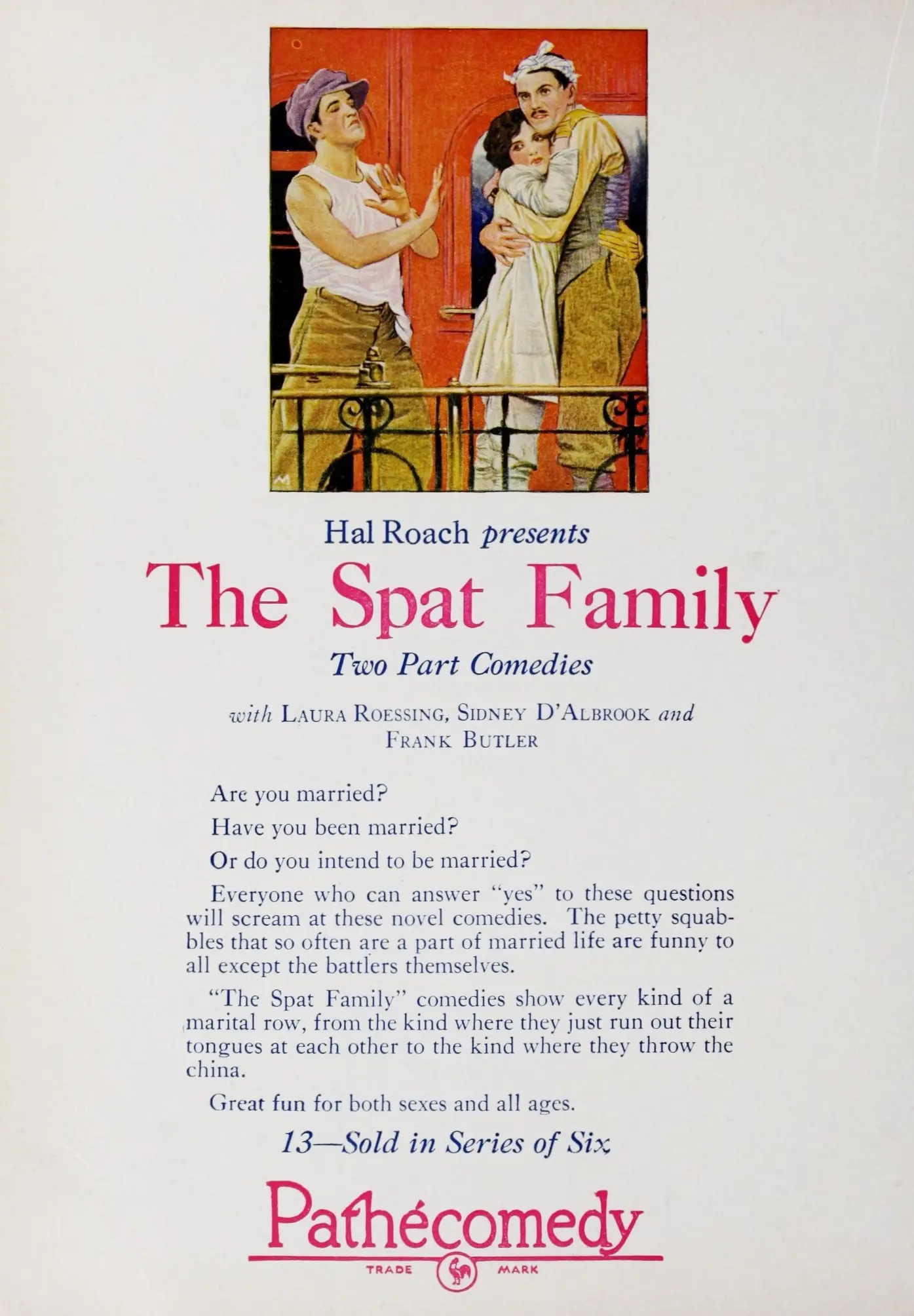
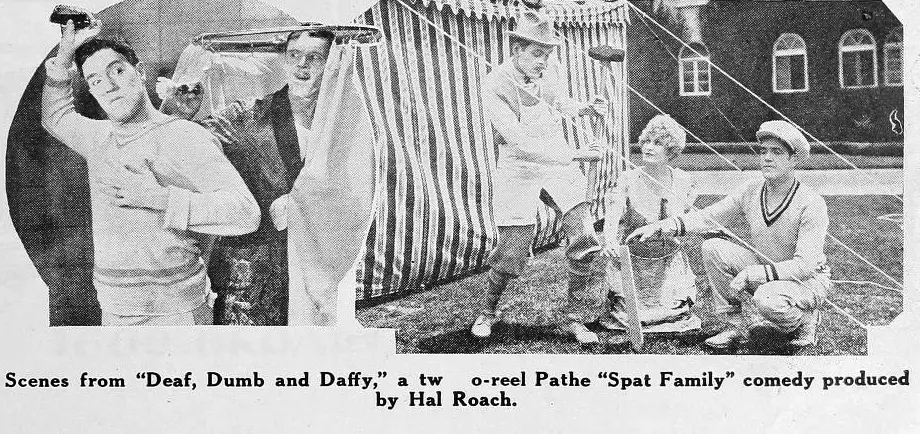
The debut scene of 'Deaf, Dumb and Daffy' sets the stage with a tea party at the Spats' home, a domestic gathering that quickly devolves into a series of comedic mishaps. The camera captures the palpable tension between Mr. Spat and the maid, adding a layer of intrigue to the proceedings. As the tension builds, the Spats themselves become the source of the chaos, with a bickering couple and a cat-versus-dog melee providing visual gags that are both charming and comical.
The second reel shifts to a different setting, a meticulously prepared lawn fete, which promises to be a more organized and less chaotic affair. However, the film's genius lies in its ability to introduce new layers of complexity and misfortune. The Spats' efforts to create a perfect event are met with a series of unexpected setbacks, from missing food to a tent that inexplicably disappears. The climax is a chaotic scene where a truck, laden with the tent, careens off with a comedic flourish, leaving the Spats in a state of bemused confusion.
Throughout the film, the cast delivers performances that are both endearing and over-the-top. Frank Butler and Laura Roessing, as the Spat couple, bring a palpable chemistry to the on-screen dynamics, their bickering and mutual affection providing the emotional core of the film. Jules Mendel and Helen Gilmore, as the maid and her suitor, add a layer of romance and intrigue that further complicates the domestic drama. Sidney D'Albrook's role as the bumbling but well-meaning neighbor provides a welcome contrast in the film's ensemble cast.
The film's writing is a testament to the era's comedic sensibilities. The dialogue is sharp and witty, with clever punchlines and situational humor that rely on the physical comedy of the era. The script is meticulously crafted to ensure that every scene delivers a punch of humor, whether it be the Spats' bickering or the mishaps that befall their carefully planned events.
Visually, 'Deaf, Dumb and Daffy' is a gem of its time. The cinematography captures the charm of mid-century America, from the meticulously arranged tea party to the whimsical lawn fete. The costumes and sets are beautifully detailed, providing a vivid backdrop for the Spats' domestic misadventures. The film's use of color and lighting adds to the overall aesthetic, with moments of brightness and warmth that contrast with the darker, more chaotic scenes.
Comparatively, 'Deaf, Dumb and Daffy' stands alongside classics like 'The Crow's Nest' and 'The Champeen', both of which offer a similar blend of domestic comedy and visual gags. However, the film's unique blend of romance and domestic chaos sets it apart, creating a narrative that is both relatable and entertaining. Unlike 'Idle Tongues' or 'Luffar-Petter', 'Deaf, Dumb and Daffy' focuses more on the domestic life of the Spats, using their misadventures to explore the complexities of human relationships.
Overall, 'Deaf, Dumb and Daffy' is a delightful film that captures the essence of mid-century American domestic life. Its humor is clever and well-executed, with a cast that delivers performances that are both endearing and over-the-top. The film's visual aesthetic and careful screenplay make it a must-see for fans of classic comedy and domestic drama. Whether you're a fan of 'The On-the-Square Girl' or 'The College Orphan', 'Deaf, Dumb and Daffy' offers a unique slice of cinematic history that is both entertaining and enlightening.
IMDb —
1927
Community
Log in to comment.