DbcultAccessing Vault...
5.8/10
Senior Film Conservator
A definitive 5.8/10 rating for a film that redefined the boundaries of cult cinema. Déclassé remains a cornerstone of transgressive art.
Lady Helen Haden
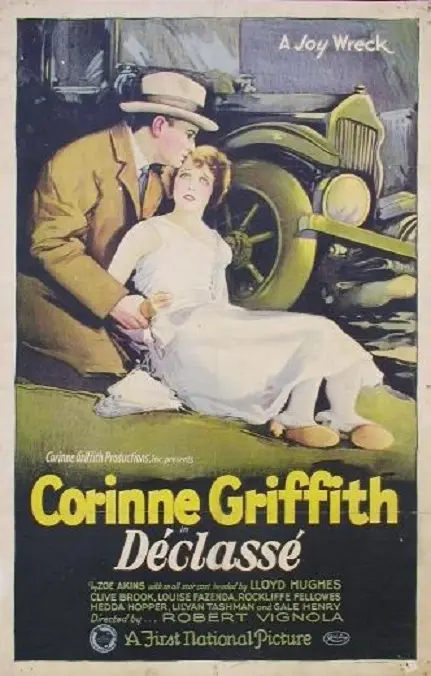
Lady Helen Haden is the last of the impetuous Varicks, a title that speaks volumes about her past and the legacy she carries. Married to Sir Bruce Haden, a brute who treats her shamefully, Helen finds herself in a love triangle with Ned Thayer, a young American. The plot is intricately woven, with each thread representing a different facet of Helen's character and her struggle for autonomy.
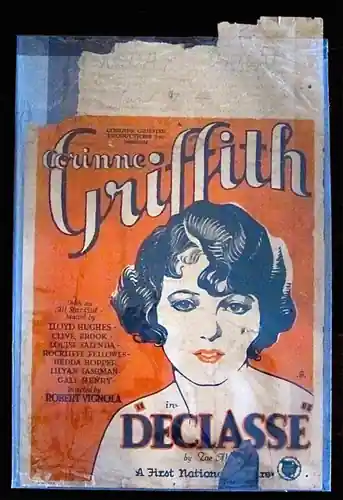
Her love for Ned is a source of both joy and torment. Helen cannot bring herself to divorce her husband because of the attendant scandal and disgrace. This internal conflict is the driving force of the narrative, as Helen’s choices and the consequences of her actions begin to unfold.
The turning point comes when Sir Bruce gains possession of a love letter written to Ned by Lady Helen. This act of possession is symbolic of the power dynamics at play and the ways in which social norms can be both enforcers and obstacles. The divorce that follows is not merely a legal separation but a profound loss of identity and status for Helen.
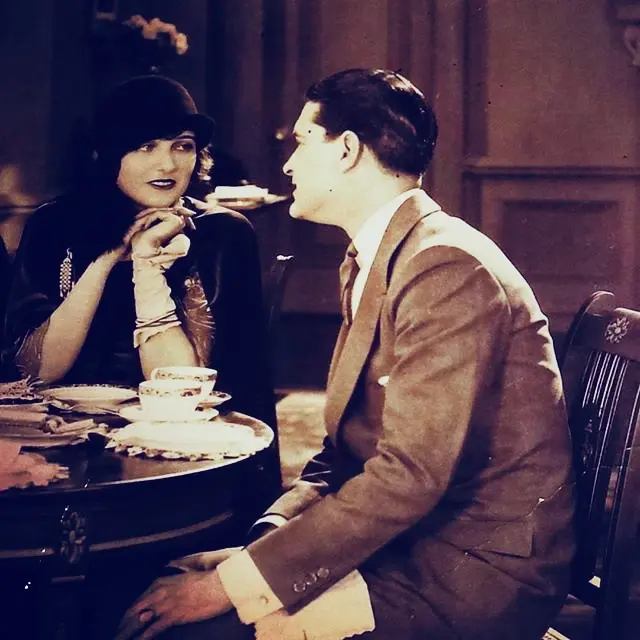
Helen’s journey to the United States is marked by a series of transformative experiences. She encounters Rudolph Solomon, an art collector who desires her as his mistress. The initial refusal is met with a sense of pride and integrity, but the eventual capitulation is driven by a desperate need to secure her financial future. This decision is a pivotal moment, signaling a shift in Helen’s character and her relationship with her own desires.
Attending a party at Solomon’s home, Helen’s world is once again turned upside down. The encounter with Ned, who has learned of the divorce and is searching for her, is a poignant moment of truth. The humiliation and shame she feels at this party are palpable, and her subsequent action—throwing herself in front of an automobile—dramatizes her state of despair.
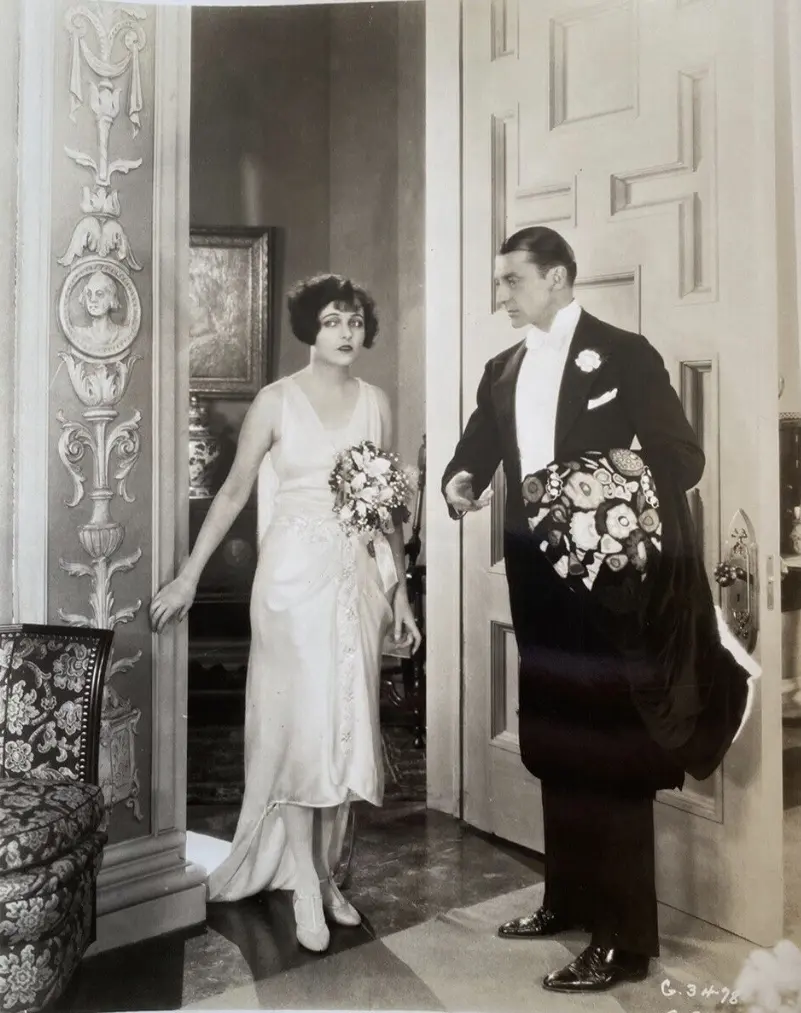
The film’s narrative is rich with symbolism and thematic depth. The automobile scene is more than a suicidal gesture; it is a scream for help, a desperate cry for recognition and redemption. Helen’s character is a reflection of the complex and often contradictory nature of modernity, where traditional values clash with the demands of the new world.
The performances are noteworthy, with Corinne Griffith delivering a nuanced and compelling portrayal of Helen. She captures the nobility of her character even as she struggles with the mundane realities of her life. The supporting cast, including Rockliffe Fellowes and Clive Brook, adds depth and texture to the story, bringing the characters to life with their own layers of complexity.
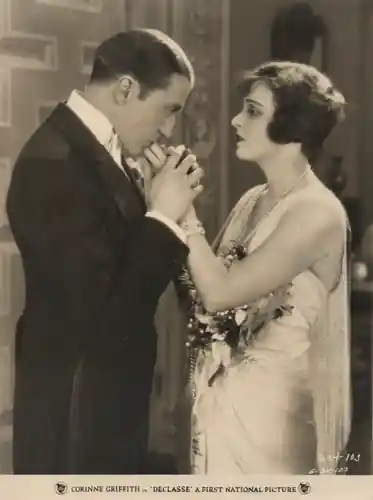
From a technical standpoint, 'Déclassé' is a well-crafted film. The cinematography captures the grandeur of the American landscape and the opulence of Solomon’s home, providing a visual backdrop that enhances the narrative. The score, while not explicitly mentioned, likely adds to the emotional resonance of the film, heightening the sense of drama and pathos.
Comparatively, 'Déclassé' shares thematic similarities with other films of its era, such as 'Fesseln' or 'The Colleen Bawn.' These works also explore the intersection of love, duty, and social expectations, albeit through different cultural lenses. What sets 'Déclassé' apart is its focus on the internal struggles of its protagonist, making it a more intimate and personal drama.
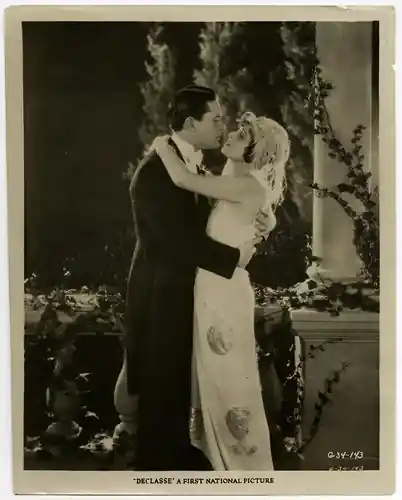
In conclusion, 'Déclassé' is a film that demands to be watched. It is a story of love, loss, and the relentless pursuit of a life that cannot be defined by the strictures of society. Lady Helen Haden’s journey is a powerful testament to the enduring human spirit and its capacity for resilience in the face of adversity.
IMDb —
1923
Community
Log in to comment.