DbcultAccessing Vault...
6.4/10
Senior Film Conservator
A definitive 6.4/10 rating for a film that redefined the boundaries of cult cinema. Gretchen the Greenhorn remains a cornerstone of transgressive art.
There are films that merely tell a story, and then there are those that etch themselves into the very fabric of cinematic history, offering a profound commentary on the human condition, often with little more than flickering light and the expressive power of the human face. Bernard McConville’s 'Gretchen the Greenhorn' belongs firmly in the latter category, a compelling silent drama that, despite its age, resonates with a timeless poignancy. It’s a work that beckons us to delve into the intricate tapestry of early 20th-century life, exposing both its raw beauty and its inherent dangers through the lens of a young immigrant’s struggle.
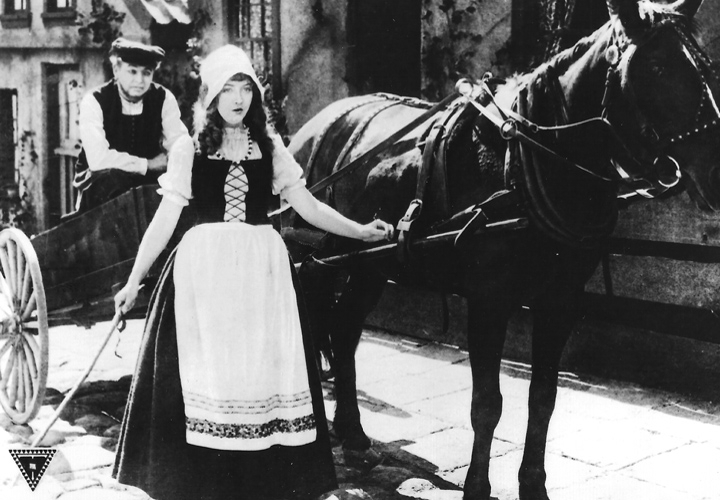
At its core, 'Gretchen the Greenhorn' is an absorbing narrative of displacement and defiance. Our protagonist, Gretchen, portrayed with breathtaking sincerity by the incomparable Dorothy Gish, arrives on American shores from Holland, a land of windmills and tranquil canals, only to be thrust into the cacophonous, often unforgiving sprawl of the modern metropolis. Accompanying her is her father, a character whose well-intentioned blunders, brought to life with a touching mix of pathos and comedic relief by Ralph Lewis, inadvertently pave the way for their subsequent tribulations. Their journey is not merely one of geographical relocation but a stark transition from pastoral simplicity to urban complexity, a common theme in the nascent years of American cinema, echoing in films like The Pearl of the Antilles, which also explores the struggles of new arrivals navigating unfamiliar landscapes.
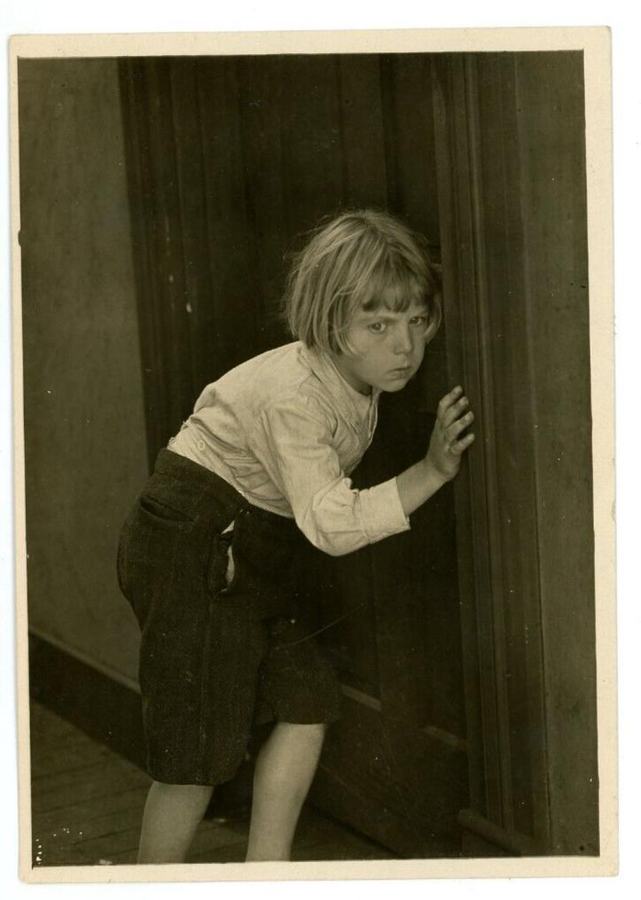
The true conflict ignites when this unsuspecting duo falls prey to a ruthless gang of counterfeiters. The insidious nature of their blackmail scheme is not just a plot device; it’s a chilling reflection of the darker undercurrents of society, where the vulnerable are often exploited for nefarious gains. This criminal element, personified by Gino Corrado and Elmo Lincoln among others, casts a long, menacing shadow over Gretchen’s burgeoning hopes. The film expertly crafts an atmosphere of escalating dread, a sense of impending doom that clings to Gretchen like a shroud, even as she strives to maintain her inherent goodness. The narrative doesn't shy away from depicting the stark realities of urban peril, a stark contrast to the more romanticized portrayals of city life often found in contemporary works.
Dorothy Gish’s performance as Gretchen is nothing short of masterful. In an era where exaggerated gestures and melodramatic expressions were often the norm, Gish possessed a rare subtlety, conveying a spectrum of emotions with an almost ethereal grace. Her eyes, often wide with a mixture of fear and unwavering resolve, speak volumes, communicating the terror of her situation, the depth of her love for her father, and her unyielding spirit. She embodies the 'greenhorn' not as a caricature, but as a fully realized human being, whose naiveté is tempered by an innate strength. This nuanced portrayal elevates the film beyond a simple melodrama, transforming it into a profound character study.
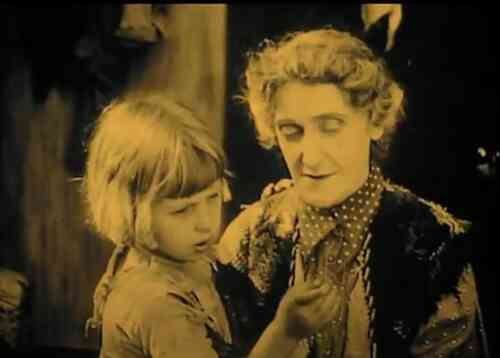
The dynamic between Gretchen and her father is the emotional anchor of the film. Ralph Lewis, as the bumbling yet endearing patriarch, provides a necessary foil to Gretchen’s quiet determination. His comedic timing, often unintentional, serves to underscore the perilousness of their situation; his mistakes are never malicious, merely the unfortunate consequences of a man out of his depth. This familial bond, tested to its limits by external pressures, is depicted with a tenderness that feels remarkably authentic. It’s a testament to McConville’s writing that these characters, despite the conventions of the silent era, feel so genuinely human.
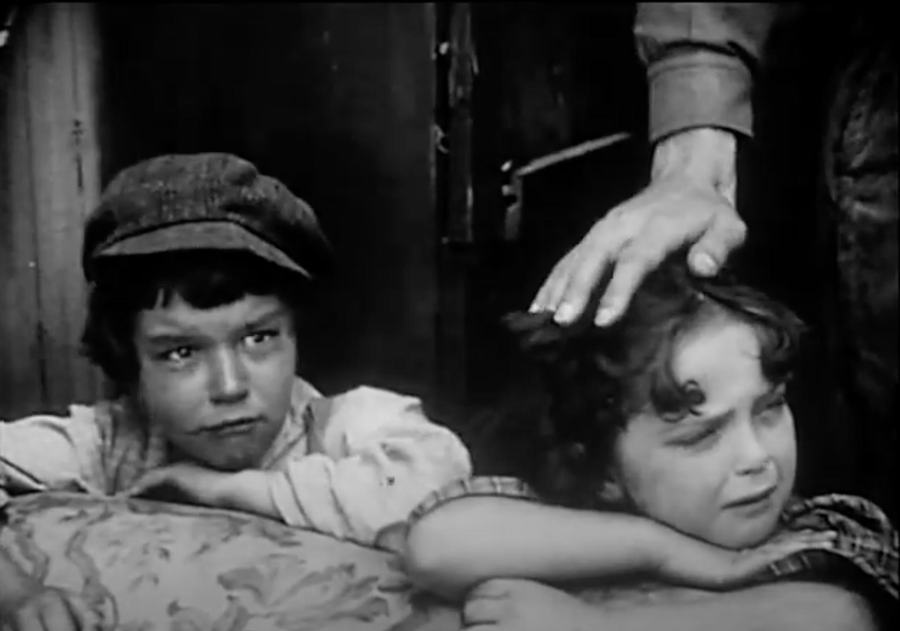
While Gish undeniably commands the screen, the supporting cast contributes significantly to the film’s rich texture. Kate Bruce, Francis Carpenter, 'Baby' Carmen De Rue, and Violet Radcliffe, among others, populate Gretchen's world, some offering fleeting moments of solace, others deepening the sense of threat. Eugene Pallette, a familiar face from countless silent and early talkie films, likely brings his distinctive presence to the shadowy corners of this narrative. The effectiveness of a silent film often hinges on the collective ability of its cast to convey character and motivation without dialogue, and 'Gretchen the Greenhorn' largely succeeds in this regard.
Bernard McConville’s screenplay is the structural backbone of this compelling drama. Known for his prolific output during the silent era, McConville possessed a keen understanding of narrative propulsion and emotional resonance. Here, he masterfully weaves a tale that balances suspense, pathos, and moments of genuine human connection. The plot, though seemingly straightforward, is imbued with layers of social commentary. It speaks to the plight of immigrants, the dangers lurking in the underbelly of urban society, and the enduring struggle between good and evil. McConville's writing, even without a credited director, dictates the visual storytelling, ensuring that each scene serves to advance the plot or deepen our understanding of the characters' predicaments. His work here could be compared to the meticulous plotting seen in something like The Mystery of Edwin Drood, though with a distinct focus on social realism rather than pure detective work.
Although specific directorial credits are sometimes elusive for films of this vintage, the visual language of 'Gretchen the Greenhorn' is unmistakably clear. The cinematography, likely a collaborative effort, utilizes stark contrasts to emphasize the film's central themes. Dimly lit interiors and shadowy alleys underscore the lurking danger, while moments of warmth and domesticity are bathed in a softer, more hopeful light. The pacing, crucial in silent cinema, builds tension effectively, drawing the audience deeper into Gretchen’s desperate fight for survival.
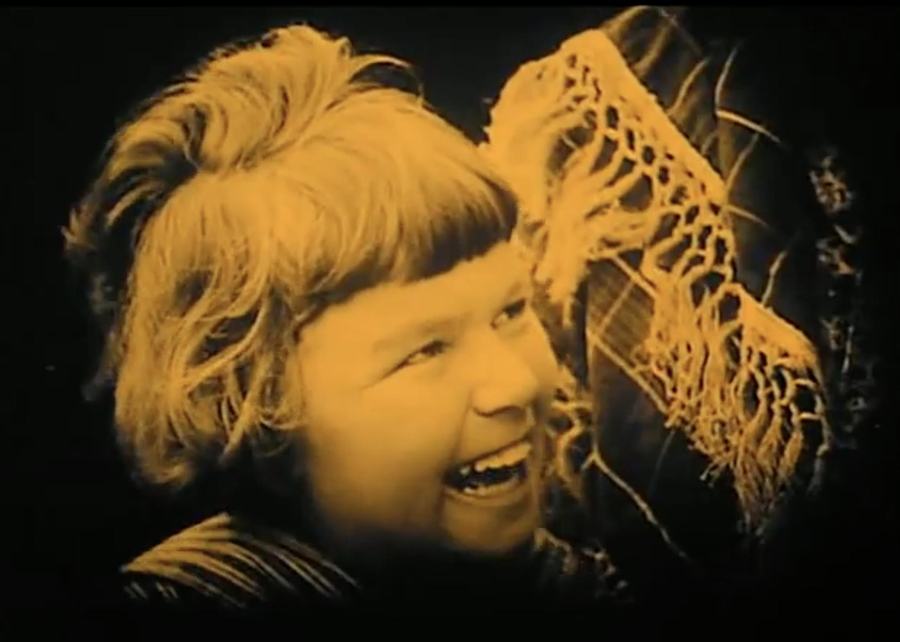
The film delves into several enduring themes. The immigrant experience, particularly the vulnerability and resilience required to assimilate into a new culture, is explored with sensitivity. Gretchen's journey is a microcosm of countless real-life struggles faced by those seeking a new life. Furthermore, the stark contrast between innocence and corruption is a driving force. Gretchen's unwavering moral compass shines brightly against the cynical machinations of the counterfeiters. This thematic resonance is a hallmark of McConville's writing, often exploring the moral ambiguities of society, much like the intricate ethical dilemmas presented in Blind Justice.
Revisiting 'Gretchen the Greenhorn' in the contemporary landscape is not merely an act of historical appreciation; it's an opportunity to engage with a form of storytelling that, despite its lack of spoken dialogue, communicates with astonishing clarity. The film's power lies in its ability to transcend the technical limitations of its era, delivering a narrative that is both emotionally gripping and socially insightful. The expressive performances, particularly Gish’s, ensure that the characters' struggles feel immediate and relatable, even a century later.
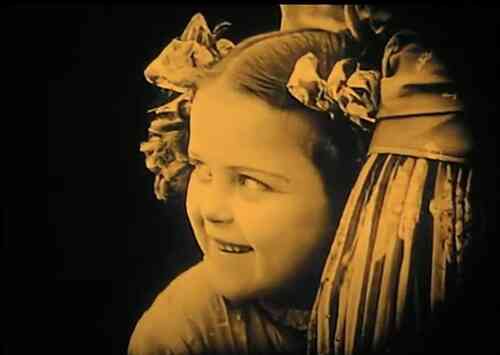
The film’s focus on a female protagonist navigating perilous circumstances also positions it within a fascinating lineage of early cinema. While not overtly feminist in its modern interpretation, Gretchen's agency and determination in protecting her family are undeniably powerful. She is not merely a damsel in distress but an active participant in her own salvation, a characteristic that adds depth to her portrayal. This strong female character facing adversity can be seen in other silent era dramas, perhaps in the vein of The Circular Staircase, where women often found themselves at the center of thrilling and dangerous plots.
Comparisons to other works of the period are inevitable and illuminating. While 'Gretchen' might lack the epic scope of some D.W. Griffith productions, its intimate focus allows for a more penetrating character study. It shares a thematic kinship with films that explore the dark underbelly of society, where innocence is often threatened by powerful, corrupt forces, a theme powerfully explored in The Boss. Yet, 'Gretchen' distinguishes itself through its particular emphasis on the immigrant experience and the quiet heroism of its central figure. It offers a counterpoint to the more sensationalized crime dramas, grounding its narrative in a deeply human struggle for dignity and survival.
In conclusion, 'Gretchen the Greenhorn' stands as a testament to the enduring power of silent cinema. It is a film that, through its compelling narrative, evocative performances, and astute thematic explorations, continues to captivate and provoke thought. Dorothy Gish’s portrayal of Gretchen is a masterclass in silent acting, anchoring a story that is both thrilling and deeply moving. Bernard McConville’s pen crafts a world fraught with danger yet illuminated by the unwavering light of human spirit. For those seeking to understand the foundational narratives of American cinema, or simply to immerse themselves in a gripping tale of courage against corruption, 'Gretchen the Greenhorn' offers a richly rewarding experience. It reminds us that even in the absence of spoken words, the universal language of human emotion and struggle remains profoundly articulate, echoing across the decades with undiminished force.
This film, like many of its contemporaries, serves as a vital historical document, reflecting societal anxieties and aspirations of a bygone era. Yet, its themes of resilience, family, and the search for belonging are as relevant today as they were a century ago. It's a poignant reminder of the struggles faced by new arrivals in any land, and the enduring strength required to forge a new life. 'Gretchen the Greenhorn' is not just a film; it's a historical artifact, a character study, and a timeless drama, all rolled into one compelling, silent masterpiece.
IMDb —
1933
Community
Log in to comment.