DbcultAccessing Vault...
Cult Review
Senior Film Conservator
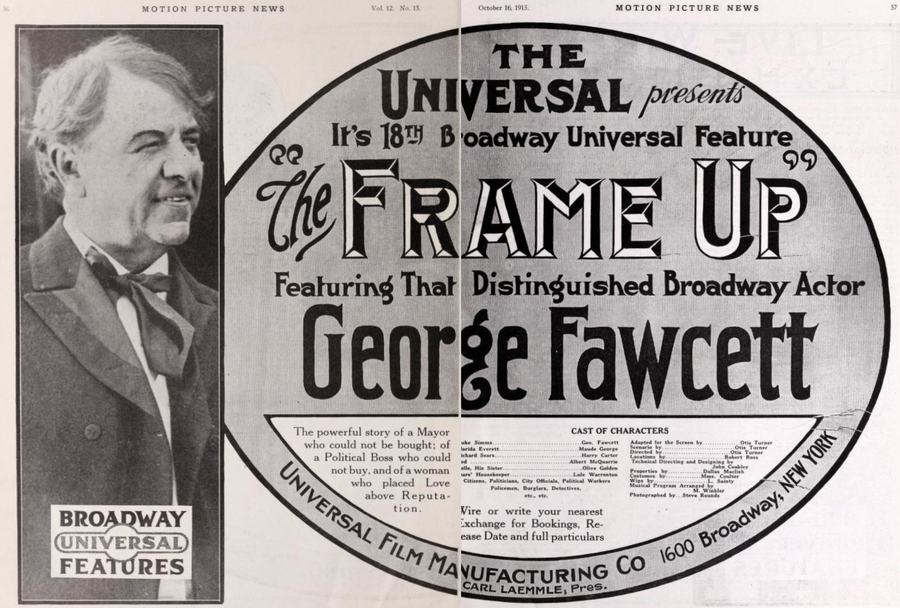
Otis Turner’s The Frame-Up stands as a staggering monument to the moral anxieties of the early twentieth century, a period where the burgeoning urban landscape was often viewed as a petri dish for systemic rot. At the center of this maelstrom is Luke Simms, portrayed with a stoic, almost hagiographic intensity. Simms is not merely a politician; he is a secular saint whose altruism is rooted in the visceral reality of the slums. His penchant for organizing excursions for the destitute children of the tenements serves as a poignant counterpoint to the sterile, boardroom cruelty of his adversaries. Unlike the more whimsical explorations of class found in Beverly of Graustark, Turner’s work here is steeped in a gritty, sociopolitical realism that anticipates the noir sensibilities of later decades.
The narrative engine is ignited by the refusal of Franz Hargraves to succumb to the Electric Company’s demands, a thematic precursor to the modern struggle between public utility and private greed. When Simms is thrust into the mayoral seat, he becomes the ultimate obstacle for Richard Sears, a man whose villainy is articulated not through mustache-twirling theatrics, but through a cold, calculated understanding of human frailty. Sears is the architect of a grand deception, a puppet master who views human relationships as mere leverage. The film’s exploration of this power dynamic is far more sophisticated than the contemporary standard, echoing the psychological depth found in The Case of Becky.
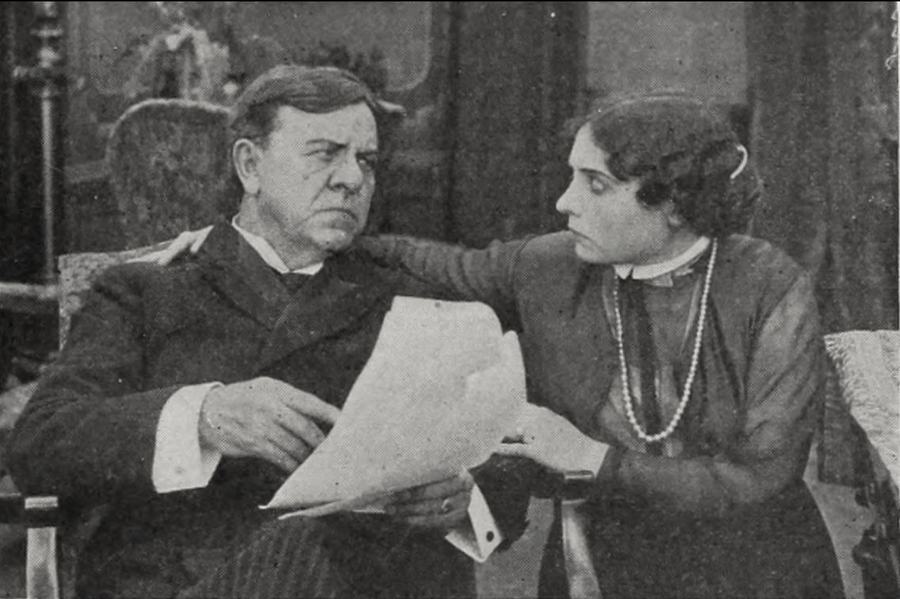
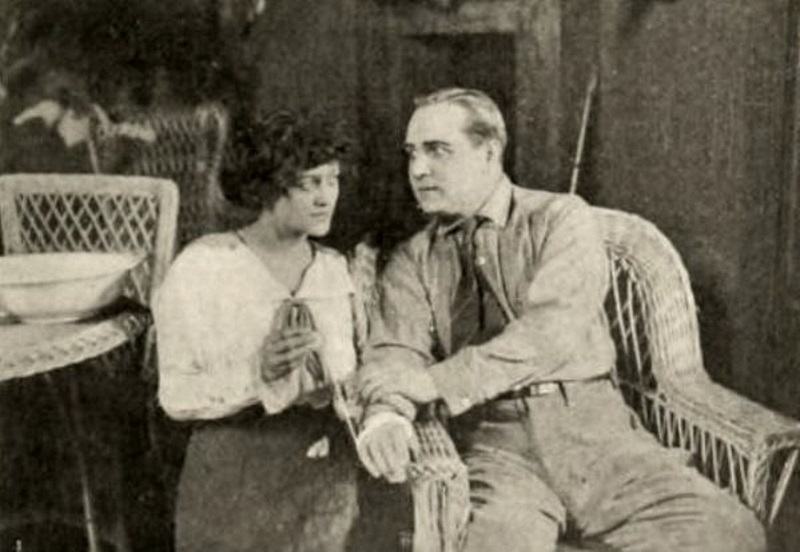
The introduction of Florida Everett provides the film’s emotional pivot. As Sears’ mistress, she is initially presented as a tool of the corruptionists, yet Turner and writer Otis Turner imbue her with a profound sense of existential weariness. She is a woman yearning for the 'decent, wholesome existence' that has been systematically denied to her. Her marriage to Simms is a gambit born of malice, yet it transforms into a crucible of genuine transformation. This arc of the 'fallen woman' seeking grace is handled with a delicacy that avoids the heavy-handed moralizing prevalent in The Sacrifice of Pauline.
The tragedy of Florida is her entrapment between two worlds: the pristine, idealistic life she shares with Simms and the shadow-drenched reality of her past with Sears. When Sears attempts to weaponize her history to force Simms’ hand on a fraudulent ordinance, the film shifts from a political drama into a claustrophobic thriller. The sequence at Ardsleigh Towers is a masterclass in silent suspense, utilizing shadow and spatial orientation to emphasize Florida’s isolation. It is here that the film’s title, The Frame-Up, takes on its most literal and devastating meaning, as the architecture of her life is dismantled by Sears’ vindictive reach.
The climax of the film is a dizzying sequence of mistaken identity and fatal irony. The involvement of Ned Harter—brother to the betrayed Nell—introduces a revenge sub-plot that mirrors the central conflict’s themes of exploitation. Ned’s intervention, specifically his tampering with Sears’ revolver, creates a brilliant narrative device: the empty gun. When Simms pulls the trigger in self-defense, believing he has committed the ultimate sin, the film enters a philosophical space regarding the nature of intent versus action. Simms is haunted by the ghost of a murder he did not technically commit, a psychological burden that rivals the tension in Blodets röst.
The subsequent trial is a showcase for the era’s legal melodrama, yet it transcends the genre through Florida’s courageous testimony. Her decision to 'bare her life' before the court is a radical act of self-exposure, a rejection of the shame that Sears used to control her. This moment of public confession serves as a cleansing fire, stripping away the pretenses of her marriage and forcing Simms to confront the reality of his wife’s past. The jury’s acquittal of Simms is almost secondary to the internal judgment he passes upon himself. His initial resolve to part from Florida, born from a misplaced sense of unworthiness, highlights the rigid moral codes of the time—codes that the film eventually seeks to subvert through Ned’s final, bloody confession.
When examining The Frame-Up alongside its contemporaries, one notices a distinct lack of the sentimentality that often bogged down silent features like The Legacy of Happiness. Turner’s direction is lean, focusing on the kinetic energy of the conflict. The use of location—from the claustrophobic slums to the opulent, yet sterile, interiors of the political elite—creates a visual shorthand for the class struggle. It shares a certain thematic DNA with The Lure of Millions, particularly in its depiction of how capital can corrupt even the most sacred human bonds.
Furthermore, the character of Officer Ryan, the ambitious policeman whose pursuit of Ned leads to the final resolution, adds a layer of procedural realism. His presence suggests a world where justice is often a byproduct of personal ambition rather than moral clarity, a sentiment echoed in A Boy and the Law. This complexity ensures that The Frame-Up remains a vital piece of cinema, offering more than just a simple morality play; it is a nuanced interrogation of the American Dream's darker corners.
The resolution of the film, marked by Ned Harter’s deathbed confession, is both tragic and redemptive. Ned’s sacrifice is the ultimate act of atonement for his sister’s suffering, and it provides the necessary catalyst for Luke and Florida’s reunion. However, the film leaves the viewer with a lingering sense of the cost of such a victory. The 'frame-up' was not just a legal or political maneuver; it was an assault on the characters' souls. The Simms we see at the end of the film is a man forever changed, his innocence replaced by a weary, hard-won wisdom.
In its final moments, The Frame-Up eschews the easy happy ending found in films like Shannon of the Sixth. Instead, it offers a reconciliation rooted in mutual brokenness. Luke Simms’ realization that he is not 'worthy' of Florida, and her subsequent acceptance of him, suggests a partnership defined by shared trauma and shared resilience. It is a sophisticated conclusion for a film of its era, reflecting the burgeoning maturity of the medium. The performances, particularly by Harry Carter as the predatory Sears and Maude George as the conflicted Florida, elevate the material beyond its melodramatic roots, creating a lasting impression of a society in the throes of a moral identity crisis.
Ultimately, Otis Turner has crafted a narrative that resonates with contemporary anxieties regarding political transparency and the exploitation of the vulnerable. Whether compared to the high-stakes drama of The Mystery of the Poison Pool or the intimate struggles in I de unge Aar, The Frame-Up holds its own as a definitive work of silent cinema. It is a film that demands to be seen not just as a historical curiosity, but as a vibrant, breathing piece of storytelling that continues to challenge our perceptions of justice, love, and the price of integrity in a world governed by the 'Electric Companies' of our own making.
IMDb —
1914
Community
Log in to comment.