DbcultAccessing Vault...
Cult Review
Senior Film Conservator
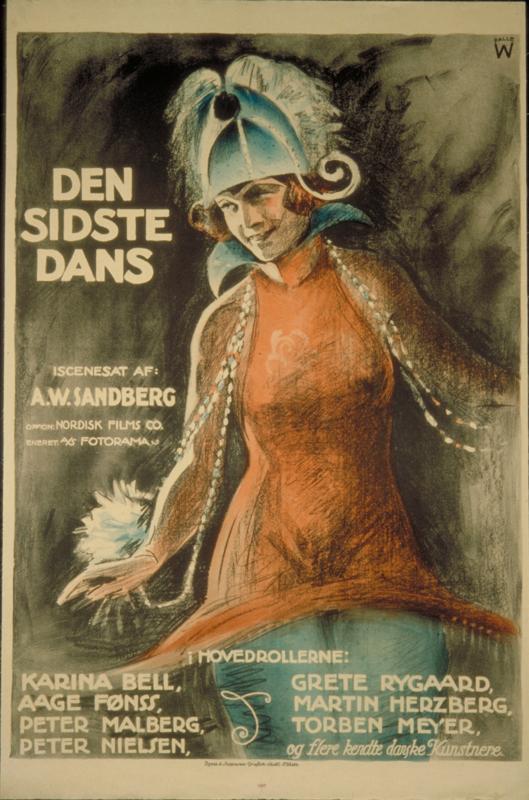
The film Den sidste dans presents a poignant and deeply human exploration of the complexities that arise when two disparate worlds collide. The narrative is set in motion by Søren, the son of a forest warden, who finds himself inexorably drawn to a mesmerizing dancer during a stay in the Danish capital. This chance encounter precipitates a profound transformation, one that challenges the veracity of Søren's convictions and the depths of his passion, setting him on a path of self-discovery that is as captivating as it is fraught with uncertainty.
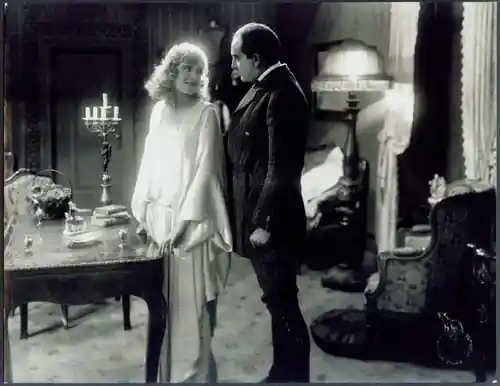
As Søren becomes increasingly enthralled by the dancer, the dichotomy between his bucolic upbringing and her cosmopolitan allure threatens to upend the very foundations of his being. This conflict is skillfully juxtaposed with the societal norms of the time, which dictate stringent expectations regarding the roles individuals should assume and the paths they should follow. The tension that arises from this juxtaposition ignites a maelstrom of emotions, imperiling the tranquility of Søren's provincial life and forcing him to confront the unyielding expectations of those around him.
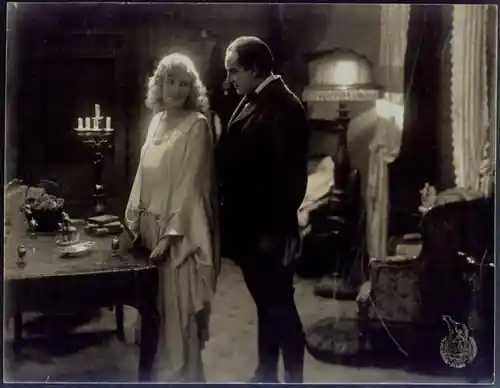
The cinematic portrayal of Søren's journey is underscored by a nuanced exploration of the human experience, one that is replete with moments of tender intimacy and poignant introspection. The dancer, with her enchanting presence and artistic expression, embodies the freedom and spontaneity that Søren's life has heretofore lacked, drawing him into a world of vibrant colors and unbridled emotions. This is starkly contrasted with the muted tones and predictable rhythms of his life in the forest, highlighting the profound impact of their encounter on Søren's perception of himself and his place within the world.
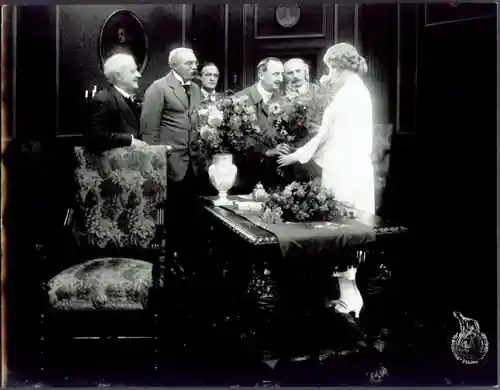
The performances delivered by the cast, particularly Martin Herzberg and Holger Pedersen, bring a depth and authenticity to the narrative, infusing the characters with a richness that makes their struggles and triumphs deeply relatable. The chemistry between Søren and the dancer is palpable, making their love story a compelling and emotional journey that resonates deeply with the audience. The supporting cast, including Aage Fønss, Aage Hertel, and Amanda Lund, adds complexity and texture to the film, underscoring the multifaceted nature of the characters and their interactions.
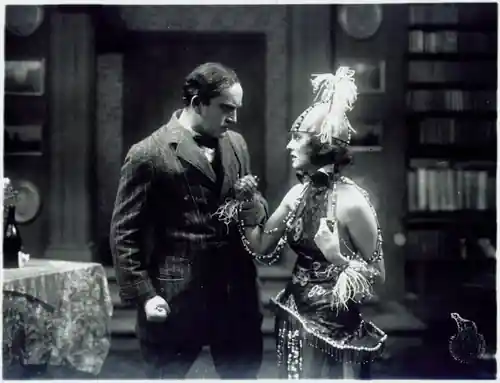
The cinematography of Den sidste dans is noteworthy for its use of lighting and composition to evoke the mood and atmosphere of each scene. The contrast between the vibrant, sea blue hues of the city and the earthy tones of the forest serves to visually reinforce the thematic dichotomies that underpin the narrative, adding a layer of depth and visual interest to the film. This thoughtful approach to cinematography enhances the overall impact of the story, making the world of the film feel immersive and engaging.
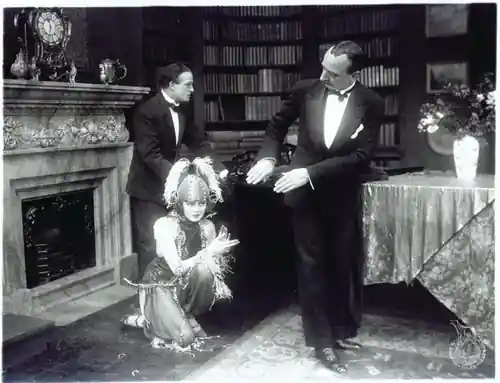
In comparison to other films of the era, such as The Rainbow Girl and The Image Maker, Den sidste dans stands out for its nuanced exploration of the human experience and its thoughtful pacing. While films like $1,000 Reward and The Black Chancellor focus on action and plot twists, Den sidste dans delves into the intricacies of the human heart, making it a compelling watch for audiences seeking a more cerebral and emotionally resonant cinematic experience.
The themes of love, identity, and societal expectations that are woven throughout Den sidste dans are timeless and universal, transcending the boundaries of era and culture. This is evident in the way the film's narrative resonates with the stories presented in other classic films, such as Dante's Inferno and A Romance of the Underworld, which also explore the complexities of human relationships and the challenges of navigating societal norms. The enduring relevance of these themes is a testament to the film's ability to capture the essence of the human experience, making Den sidste dans a work of lasting significance and beauty.
Ultimately, Den sidste dans is a film that will resonate deeply with audiences who appreciate thoughtful, character-driven narratives. With its richly nuanced performances, evocative cinematography, and timeless themes, this 1923 Danish film is a masterpiece that continues to captivate viewers with its poignant and deeply human portrayal of love, loss, and self-discovery. As a work of cinematic art, Den sidste dans is a must-see for anyone interested in exploring the depths of the human experience, and its influence can be seen in films like Polly Put the Kettle On, The Wine Girl, and Love's Redemption, which also delve into the complexities of human relationships and personal growth.
IMDb 6.4
1933
Community
Log in to comment.