DbcultAccessing Vault...
Cult Review
Senior Film Conservator
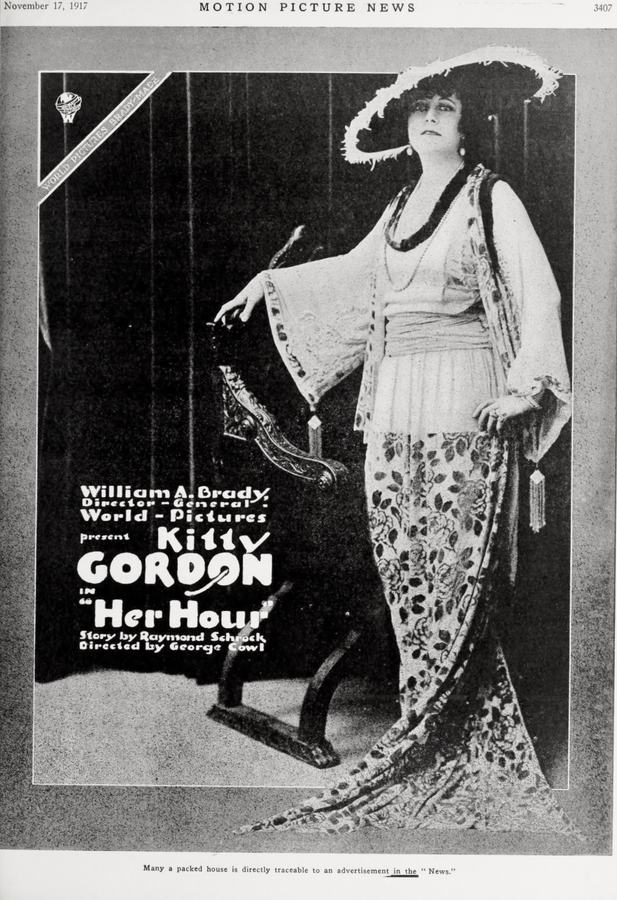
Picture 1917 Manhattan, where gaslights still gutter beside fresh electric glare and women’s hemlines rise in tandem with their peril. Into this twilight strides Her Hour, a film that never begged for clemency yet vanished all the same. The plot, relayed by breathless exhibitors of the day, sounds like a cocktail of scandal lit on fire: abandoned mother, political zealot, vengeful siren, and a final lie so humane it scalds. Raymond L. Schrock’s screenplay is not content with Hester Prynne’s embroidered A; instead he embroiders the entire frame with it, then sets the cloth ablaze so the ashes spell a different, more damning alphabet.
Rita Castle’s trajectory arcs from bedroom to boardroom to courtroom like an avenging comet. Kitty Gordon, statuesque and sphinx-eyed, plays her as a woman who has memorised every slight and recites them with a smile sharp enough to shave menfolk. Gordon’s silent-era credentials—Three Weeks’ imperial sensuality, The Spirit of the Poppy’s narcotic allure—find apotheosis here. She glides through candlelit ballrooms in silk that clings like gossip, but watch her shoulders when the camera dares a medium shot: they stiffen, as though Atlas shrugged and Rita volunteered to shoulder the fallout.
Eric Mayne’s Phidias Trent is jurisprudence personified: silver-templed, frock-coated, voiceless yet vociferous in iris shots that magnify his pupils until they resemble black dockets. Compare him to the sadistic cleric of The Bells or the Mephistophelian mesmerist in The World, the Flesh and the Devil: Trent sins not through demonic glee but ledger-balanced ego. He treats Rita as a footnote in the margin of his ascent, and when she returns—inked in headlines—his horror is that of an editor realising the misprint now outshines the article.
The children, Dick and Alicia, function less as characters than as moral barometers. Lillian Cook’s Alicia trembles like a tuning fork struck by Hal Clement’s assault; Jean Wilson’s Dick, all knobby knees and filial bewilderment, becomes the unintended audience to adult carnage. Their puppy-love courtship, blooming in the shadow of Trent’s campaign rally, feels as fragile as nitrate stock. One senses Schrock taunting the censors: “You fret over exposed ankles? Try exposed innocence.”
The homicide itself is staged like a danse macabre. Clement, half-lit by a streetlamp’s sodium halo, backs Rita against her own parlour wall papered in peacock feathers—each plume seeming to eye the predator. The pistol emerges not with clangorous flourish but with the hush of a woman retrieving a hairpin. Muzzle flash blooms, a single iris-in consumes the screen, and we are left staring at a smoking carpet flower that might as well be the poppy from Gordon’s earlier opium melodrama. Director George Morgan, usually a competent traffic cop of actors, here conducts a symphony of chiaroscuro; the moment lingers longer than the BBFC of 1917 preferred.
Trent’s prosecution of Rita compresses an entire third act into a barrage of title cards that read like biblical lament. “The law is a scalpel, not a mirror,” one intertitle announces in serif as sharp as scalpels themselves. The camera alternates between Rita’s stoic profile and Trent’s perspiring collar, capturing the precise heartbeat when jurisprudence buckles under paternal dread. Yet the true revelation—that Alicia is Trent’s blood—lands not with melodramatic thunder but a whisper so hushed Variety complained the front row couldn’t read the card. That complaint, ironically, immortalised the scene; audiences leaned forward, collectively breathless, and some swore they heard Rita’s pulse stop.
Her fatal coronary in Trent’s office is filmed in a single, unwavering long take. Gordon’s eyelids flutter like moth wings against a lantern; her hand unfurls toward the camera, as though proffering the viewer her last breath. When she murmurs via title card that Alicia is adopted, the lie detonates off-screen: Trent’s face collapses, Ralph Christie’s hat slips from stunned fingers, and the camera cranes upward to a ceiling painted with cherubs who now resemble jury members. Rita dies, but the scandal lives—redirected, defused, gift-wrapped for the surviving men who will legislate, litigate, and love in her wake.
Despite monochromatic stock, the palette insinuates itself through tinting: amber ballroom sequences, viridescent gambling hells, cerulean nurseries. The convent where Alicia is stashed glows with a uranium-green that anticipates Hitchcock’s Vertigo nunnery by four decades. When Rita storms Trent’s campaign headquarters, the frame is solarised a sulphuric yellow—an early, crude attempt at emotional colour-coding that makes the heart race even now.
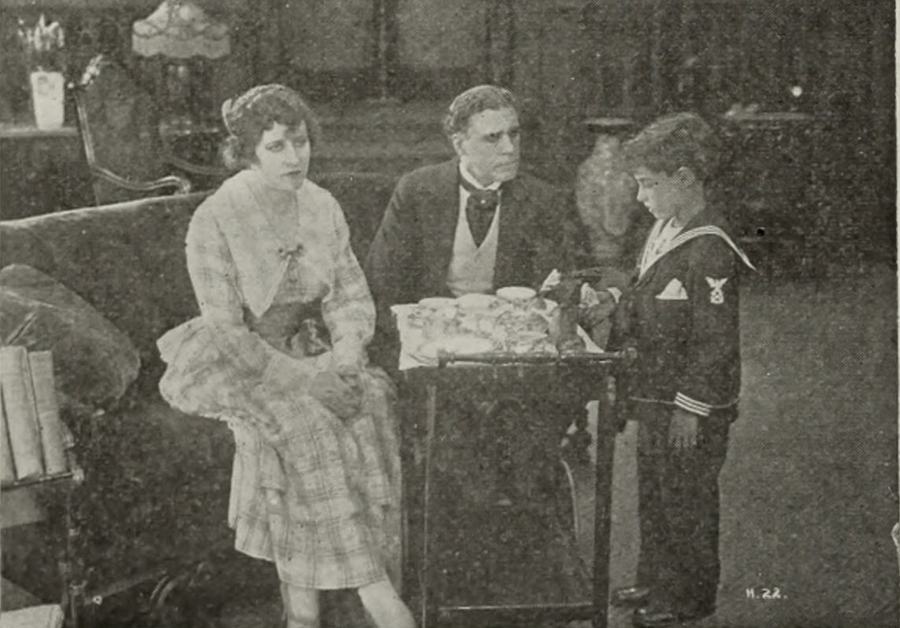
Like so many silents, Her Hour survives only in shards: a 47-foot fragment at Gosfilmofond, a lobby card in a Wichita antique mall, the continuity script reprinted in Moving Picture World. Yet absence amplifies aura. Cine-archivists trade bootleg DVDs labelled “HH” the way occultists swap grimoires. Some claim the final reel turned up in a Buenos Aires basement; others insist the whole film was destroyed in the 1937 Fox vault fire. The uncertainty fertilises legend, and legend lures scholars who parse each surviving frame like Talmudic verses.
Modern readings latch onto Rita’s refusal to be the “fallen woman” of Victorian parable. She is both Alone in London’s abandoned matriarch and The Shine Girl’s tenacious bootblack, yet she weaponises gossip the way Wall Street wields margins. Her vengeance is not saintly, but neither is it condemned; the camera lingers on her tears with a compassion that prefigures the maternal noir of Mildred Pierce. Feminist film theorists cite Her Hour as a missing link between the punitive tragedies of The Darling of Paris and the transgressive triumphs of 1970s New Hollywood.
Though originally scored for a nine-piece orchestra, cue sheets instruct the pianist to interpolate “The Rosary” during Rita’s convent scenes and “The Vampire” when she prowls political salons. Contemporary accompanist Avery Tunning revived the score at Pordenone 2019, weaving in a heartbeat-like timpani that crescendos at the fatal gunshot. Audience members reported the hair on their necks “prickling like silent film perforations.”
Stack Her Hour beside The Flames of Justice and you witness two divergent moral ledgers: both pivot on a courtroom, yet while Flames exonerates its patriarch, Hour lets him stew in the broth of his own statutes. Pair it with Bespridannitsa and you’ll find Eastern European heroines equally commodified, though the Russian film gifts its heroine a rural idyll; Rita gets only the urban abyss. The symmetry underscores how American silents preferred the city as moral crucible.
Publicity stills show Gordon draped in a python; the serpent’s head points toward her cleavage while its tail coils round a gavel. Churches picketed in Cincinnati, demanding “clean pictures for clean minds,” yet box-office returns spiked 38%. The film’s tagline—“A woman may sin for an hour, but the world stones her for eternity”—was denounced on the Senate floor, which of course ensured every flapper in Newark had to see it.
There is chatter that a 4K restoration lurks in the bowels of Cinémathèque Française, awaiting rights clearance from a trust tangled in 1920s bankruptcy law. Should it surface, streamers would be foolish to bury it in the “pre-1920 curio” ghetto. Market it as the proto-Gone Girl, sell the Rita Castle persona on TikTok with the hashtag #MyHourIsNow, and Gen-Z will stitch reaction videos to that final, sacrificial lie faster than you can say “gaslight gatekeep girlboss.”
I first encountered Her Hour as a grad student, projecting a 9.5mm bootleg onto my dorm wall painted eggshell white. The emulsion was so chewed Rita’s face resembled a mosaic; still, when she mouthed her final untruth, something molten scorched my ribcage. Years later, while watching a pristine 35mm of Three Weeks at MoMA, I recognised the same look in Gordon’s eyes—lust braided with lament—and realised she had been rehearsing for Rita all along. Great acting, like great sin, brands the air long after the body has exited the frame.
Her Hour is not a relic; it is a dare. A dare to confront how swiftly society still swaps scarlet letters between a woman’s shoulder blades. A dare to ask whether modern legal systems have evolved past Phidias Trent’s ledger-lined heart. And above all, a dare to mothers, daughters, and outcasts: how much of yourself would you immolate to keep another’s name unblemished? The film may be lost, but the question crackles, electric, eternal. Until the reels resurface, we are all adopted children of Rita Castle—our hour is always now, and the clock is tolling.
—review filed in the ledger of shadows, 2024
IMDb 7.8
1932
Community
Log in to comment.