DbcultAccessing Vault...
Cult Review
Senior Film Conservator
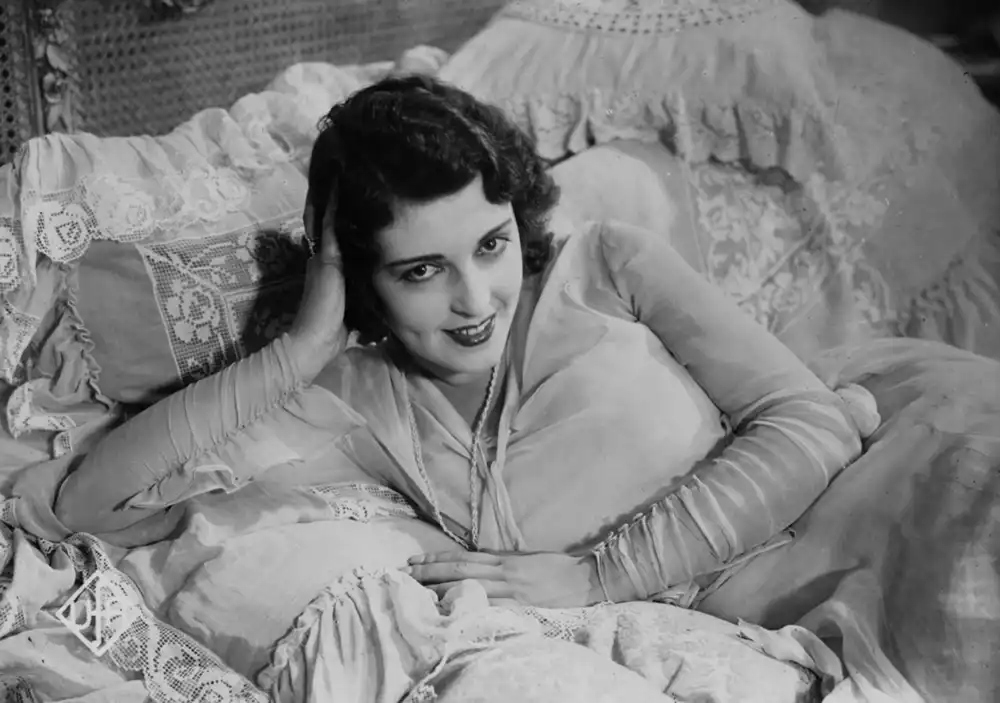
Alright, let's talk about Der Bund der Drei. This isn't your average Friday night movie, definitely not. If you're someone who loves digging into film history, especially the late silent or very early sound era, you'll find something here. But for most casual viewers expecting modern pacing or easily digestible plots, this one's probably going to feel like a bit of a chore. It's for the dedicated, the curious, the folks who don't mind a little cinematic archaeology. 🕵️♀️
Finding a decent print of a 1929 German film, let alone one like this, is a task in itself. But once you settle in, there’s a certain magic to it, even with the scratches and the occasionally fuzzy picture. You're watching something that's almost a hundred years old, and that alone carries weight.
The title, "The League of Three," really sets the stage for a certain kind of story. You immediately expect secrets, alliances, maybe some double-crossing. And the film delivers on that vibe, even if the exact machinations of this "Bund" aren't always crystal clear from our modern vantage point. It’s more about the mood, the suspicion.
Jenny Jugo is just electric here. ✨ Her eyes, the way she holds herself, there's a real intensity. Even without dialogue, or with only sparse intertitles, she conveys so much. You feel her character's urgency, her fear, her determination. It’s a performance that cuts through the decades.
Then you have Max Maximilian, who has this imposing presence. He doesn't have to do much; just standing there, he projects power, or maybe menace, depending on the scene. Kurt Katch, too, has some truly great, unsettling stares. You just know he’s up to no good.
The pacing, as you’d expect for the time, can feel a bit drawn out in places. There are these long, lingering shots where the camera just sits, letting the scene unfold. But then, every so often, you get a quick cut, a sudden shift, and it snaps you right back in. It’s a rhythm that takes some getting used to.
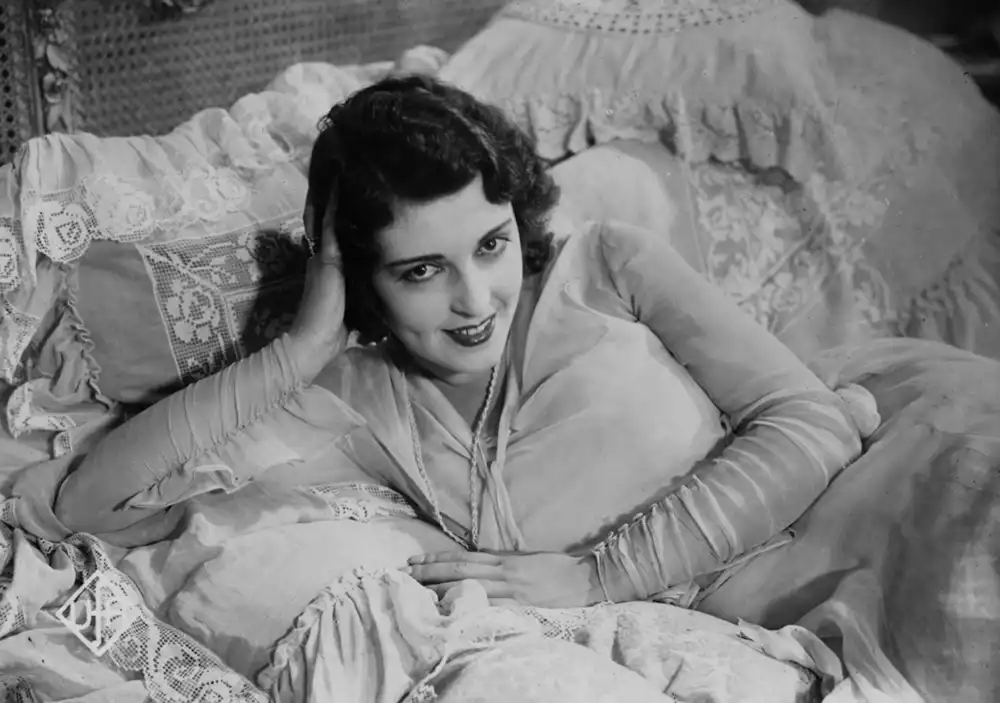
There's this one moment, fairly early on, where the three members of the *Bund* are meeting in a dimly lit room. The way the light catches their faces, highlighting their secrecy, it’s really effective. You don't quite know what they're planning, but you *feel* the weight of it. The silence in those scenes is heavy. 🤫
I found myself really appreciating the sets and the overall atmosphere. They managed to create a sense of a specific time and place, a slightly shadowy, interwar Germany. Even a simple street scene feels authentic, not just a backdrop. It’s the little details, like the costumes or the way people move through the frame.
One thing that consistently caught my eye was how expressive the acting is. It's not over-the-top melodrama like some earlier silent films; it’s more nuanced, but still very much *performed*. You can see the actors really working to communicate emotion without words, or with just a few printed ones.
Viktor Gehring, as one of the leads, manages to convey a sort of quiet desperation. He's not as flamboyant as some of the others, but his internal struggle is clear. You root for him, even when you're not entirely sure what he’s trying to accomplish against this mysterious group.
Honestly, it’s a film that leaves you with more questions than answers sometimes, but in a good way. It makes you think about how stories were told back then, and how much has changed, and how much really hasn't. It's not a perfect film, no, but it’s a fascinating piece of the puzzle.
IMDb —
1924
Community
Log in to comment.