DbcultAccessing Vault...
Cult Review
Senior Film Conservator
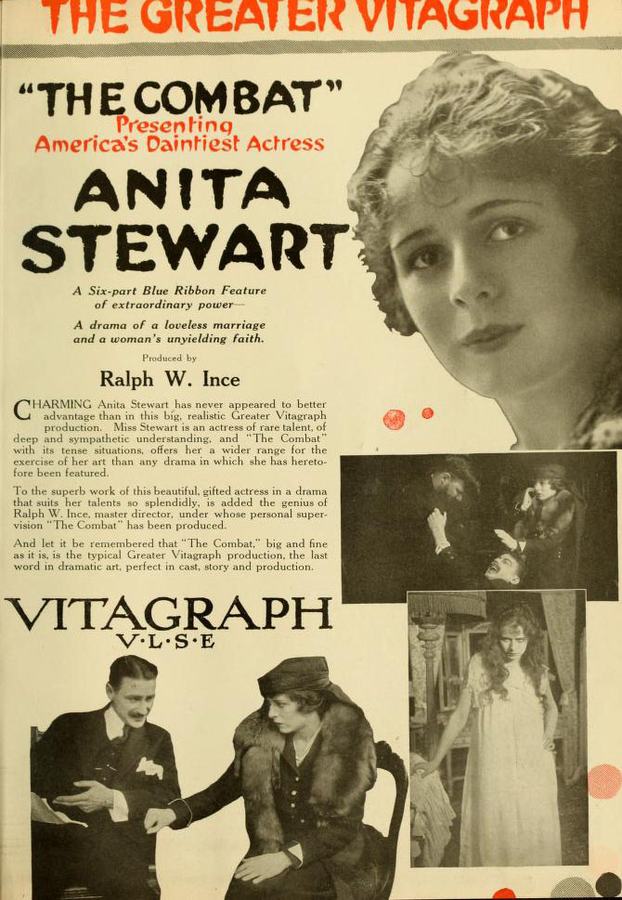
The silent era often functioned as a crucible for the most primal of human anxieties: the loss of status, the betrayal of kin, and the terrifying machinery of an indifferent legal system. In The Combat (1916), directed with a keen eye for atmospheric tension, we find a narrative that bridges the gap between the rugged lawlessness of the frontier and the suffocating social hierarchies of the East Coast. It is a film that demands we look beyond its celluloid grain to see the visceral struggle of a woman caught between two lives, two husbands, and two conflicting definitions of morality.
From the opening frames, Edward J. Montagne’s script establishes a world defined by economic precariousness. Mrs. Fleming is not merely a mother; she is a desperate architect of survival. Her secret financial distress serves as the engine for the entire tragedy. This trope of the 'impoverished aristocrat' was a staple of the era, yet here it feels particularly sharp. Unlike the more whimsical treatments of social climbing found in A Night Out, The Combat treats money as a lethal weapon. The pressure she exerts on Muriel is not just maternal nagging; it is a frantic attempt to stave off the social death that comes with bankruptcy.
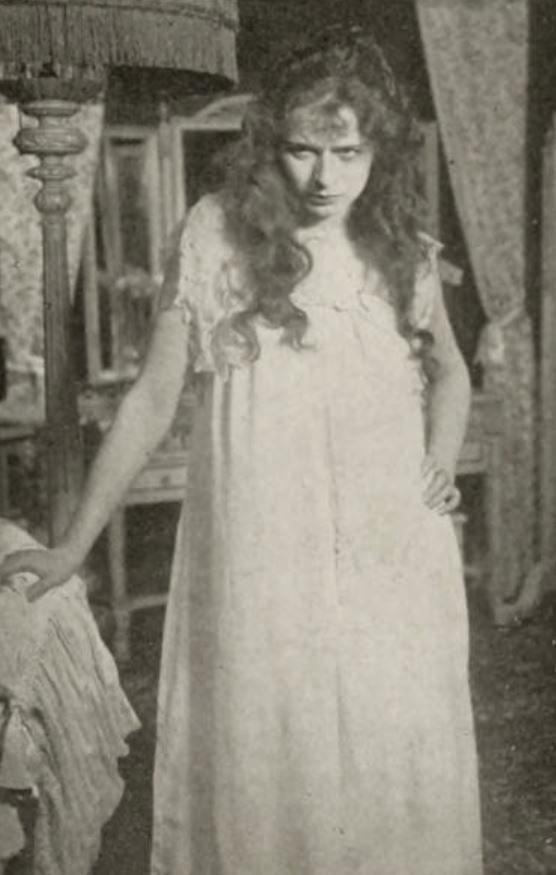
Anita Stewart, the legendary 'Vitagraph Girl,' delivers a performance of remarkable interiority. In a period often criticized for histrionic gestures, Stewart utilizes her eyes to convey a haunting sense of entrapment. When she marries Philip Lewis, her face is a mask of stoic grief—a stark contrast to the youthful exuberance she displays in her early scenes with Graydon Burton. It is a masterclass in the evolution of a character through trauma, reminiscent of the emotional depth found in The Salamander.
The shift to the gold fields provides a visual and thematic counterpoint to the velvet-draped parlors of New York. Here, the film adopts the rugged lexicon of the 'Northwest' genre, echoing the tonal qualities of The Trail of the Lonesome Pine. Richard Turner’s Graydon Burton is the archetype of the earnest laborer, but he is eclipsed by the sheer malevolence of Slade. Winthrop Mendell plays Slade not as a mustache-twirling villain, but as a 'renegade lawyer'—a man who understands the law well enough to subvert it for his own gain.
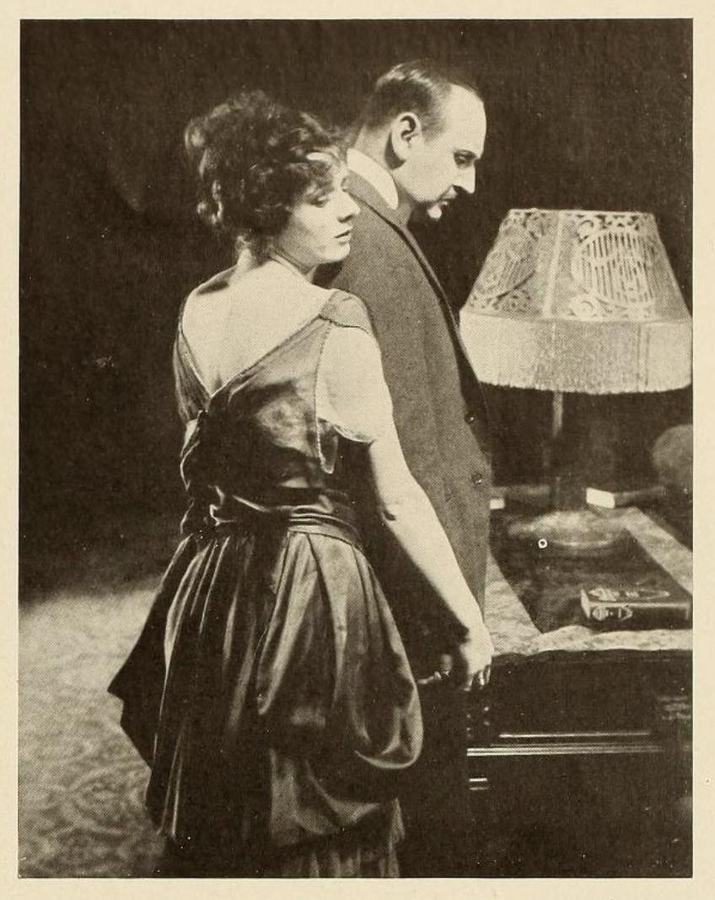
"The murder of Rollins is the film's pivot point. By using Burton’s gun, Slade doesn't just steal gold; he steals Burton’s identity, transforming a hero into a 'hunted outlaw.' This theme of the stolen life permeates the film, as Muriel also finds her identity subsumed by the expectations of her mother and her second husband."
The sequence of Graydon’s escape into the mountains is captured with a surprising amount of kinetic energy for 1916. The wilderness is portrayed not as a sanctuary, but as a purgatory. While films like Die Insel der Seligen might use nature as a site of mythic freedom, The Combat views the mountains as a cold witness to Graydon’s descent into desperation.
As the action returns to New York, the film transforms into a proto-noir. The introduction of the 'spying maid' and the return of Slade as a blackmailing lawyer heightens the sense of claustrophobia. The use of the opera as a backdrop for the theft of the marriage certificate is a brilliant touch of irony—while high art is performed on stage, a sordid crime is committed in the shadows. This duality of public prestige and private rot is a recurring motif, similar to the narrative structures in The Message of the Mouse.
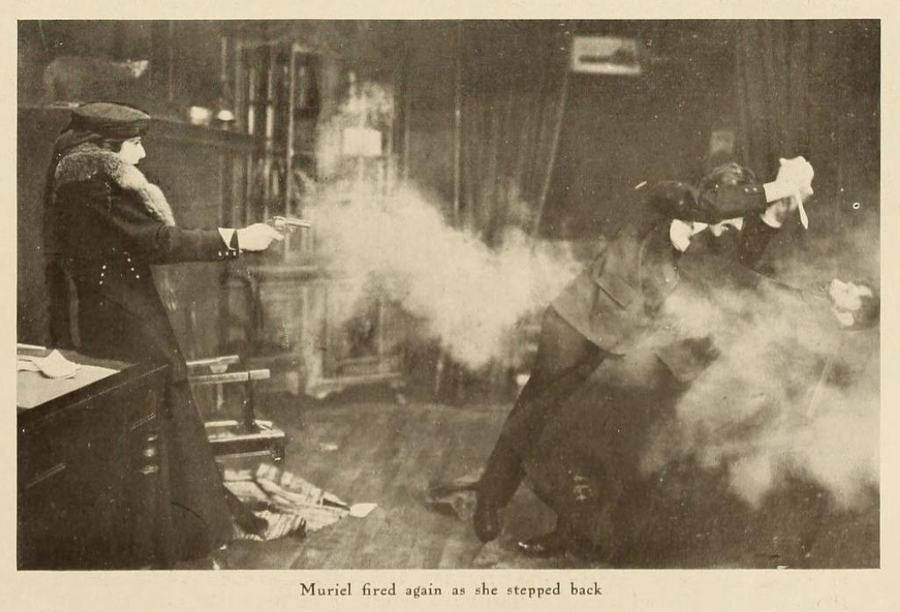
The confrontation in Slade’s home is the film’s most technically accomplished scene. The use of the French window as a framing device allows for a layered composition: Graydon watching from the outside, the threat unfolding inside. When Muriel kills Slade, the film enters a complex moral gray area. It is an act of defense, yet it is shrouded in the secrecy of her past. The 'veiled woman' trope, which would become a staple of courtroom dramas for decades, is utilized here to emphasize the erasure of Muriel’s agency.
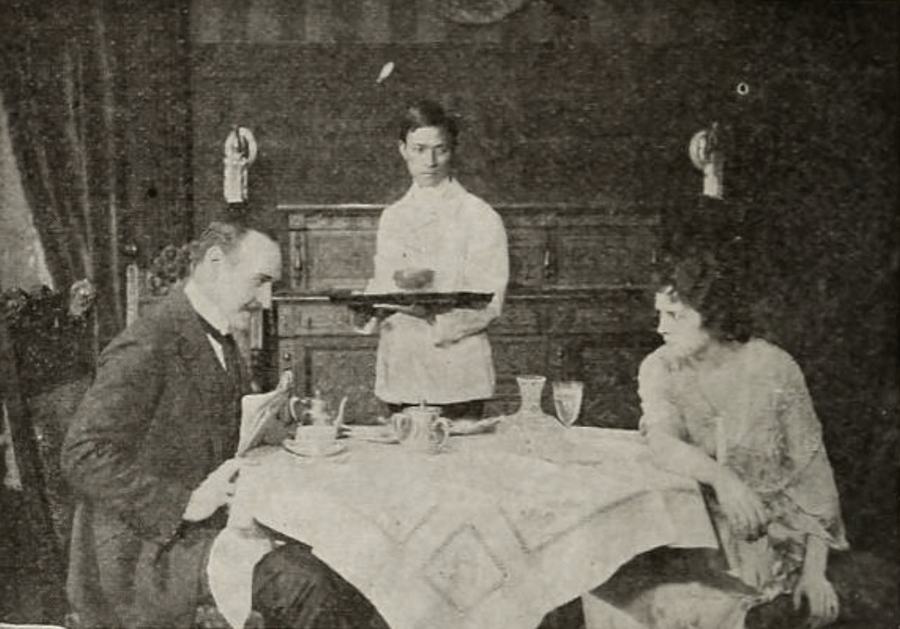
Perhaps the most disturbing element of The Combat is the character of Philip Lewis. As a District Attorney and later a Governor, he represents the pinnacle of legal authority. Yet, his prosecution of Graydon is fueled entirely by 'angered and jealous' impulses. He is a man who knows the truth but chooses to wield the law as a personal vendetta. This cynical view of the justice system is far more sophisticated than many of its contemporaries, such as The Pinch Hitter, which offers a more optimistic view of social mobility and fairness.
The dynamic between Lewis and Muriel in the final act is excruciating. His promise to pardon Graydon only if she maintains her silence is a form of psychological torture. It transforms the office of the Governor into a site of domestic abuse. The film suggests that the 'combat' of the title is not just the physical struggle in the gold fields or the fight with Slade, but the battle for a woman’s soul against the men who seek to own it.
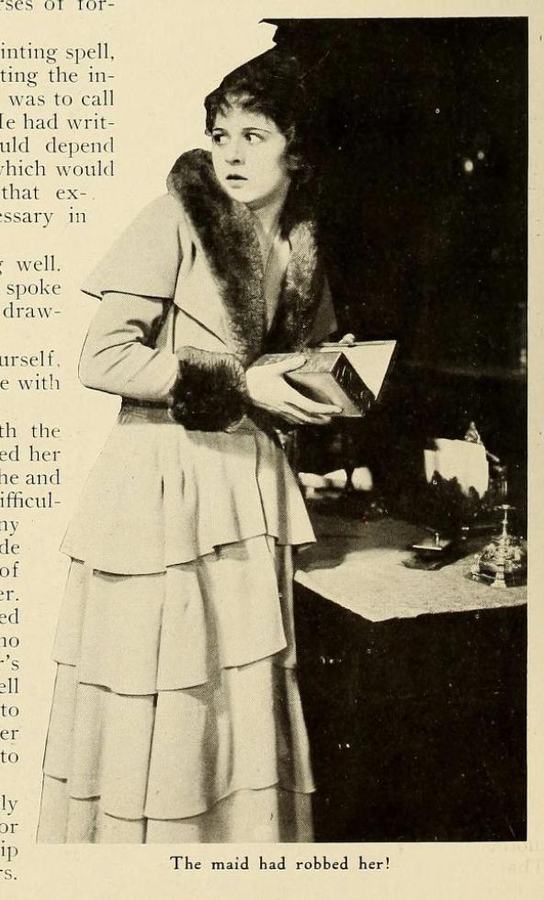
John S. Robertson, who would later direct classics like *Dr. Jekyll and Mr. Hyde*, shows an early penchant for psychological drama here. The pacing is deliberate, allowing the weight of the secrets to fester. The cinematography utilizes shadows to great effect, particularly in the New York segments, creating a visual language of entrapment. While it lacks the frenetic action of The Girl and the Game, it compensates with a brooding atmosphere that feels remarkably modern.
The resolution of the film, involving a near-suicide and a last-minute pardon, might seem like a standard 'deus ex machina' to the casual viewer. However, within the context of the 1910s, this was a radical assertion of the feminine will. Muriel’s determination to end her life is the only thing that finally breaks Lewis’s resolve. It is a grim victory—she must threaten her own existence to secure the life of her true husband. This level of stakes is rarely seen in the more adventure-oriented films like An Enemy to the King.
When Muriel finally rejoins Graydon, there is no sense of a return to innocence. Both characters have been irrevocably altered by their experiences. Graydon has been a 'hunted outlaw' and a convicted murderer; Muriel has been a 'veiled' killer and a coerced wife. Their reunion is not a happy ending in the traditional sense, but a survivalist’s truce with fate. It is this grit that elevates The Combat above its peers, such as The Hidden Spring.
The Combat is a towering example of the Vitagraph Company’s ability to produce sophisticated, multi-layered entertainment. It challenges the viewer to question the stability of the law and the sanctity of the social contract. Through the lens of Anita Stewart’s luminous performance, we see the silent era at its most poignant and provocative. This is not merely a relic of the past; it is a vital piece of cinematic history that prefigures the cynicism of noir and the intensity of modern melodrama. For those looking to understand the evolution of the legal thriller, this film is as essential as Monsieur Lecoq or the intricate mysteries of The Inspirations of Harry Larrabee.
CRITIC'S SCORE: 8.7/10
A harrowing, masterfully acted descent into the darkness of the human heart and the corruption of the state.
IMDb —
1929
Community
Log in to comment.