DbcultAccessing Vault...
6.8/10
Senior Film Conservator
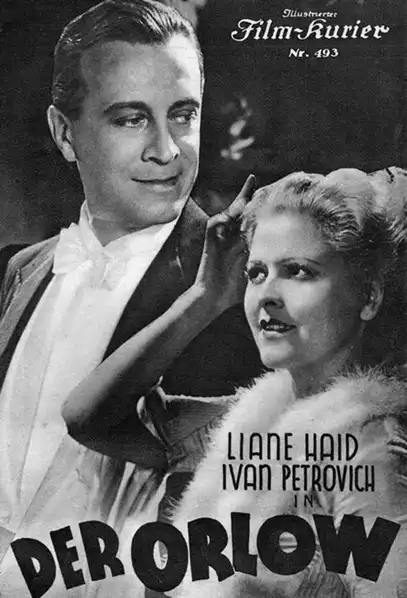
A definitive 6.8/10 rating for a film that redefined the boundaries of cult cinema. Der Diamant des Zaren remains a cornerstone of transgressive art.
Okay, so Der Diamant des Zaren isn't going to set your world on fire today. But if you've got a soft spot for early German talkies, or just want to see a period piece with some curious plot turns, it might be a gentle way to pass an evening. Anyone expecting sharp suspense or sizzling romance will likely find it a bit... sleepy. 😴
This film is one of those old-timers where a Russian singer, Olga (Alexa von Porembsky), in Germany falls for a guy, André (Henry Pleß), she thinks is just a humble factory worker. Surprise! He's actually a grand Duke in disguise. Classic stuff, right?
The whole 'grand Duke hiding out in a car factory' bit is kind of charming, if a little silly. You just have to roll with it. The early scenes of them meeting have a certain innocence, even if the chemistry feels a little… reserved. 🤔
Then, suddenly, we’re dealing with the Orloff diamond. A big, famous jewel that someone decides to try and steal. This is where the plot tries to kick into a higher gear, but it often feels more like a gentle jog.
The actual attempt to steal the diamond is pretty low-stakes, at least in how it’s presented. It’s less 'daring heist' and more 'mild inconvenience.' You almost wish someone would trip over the diamond to make it more exciting.
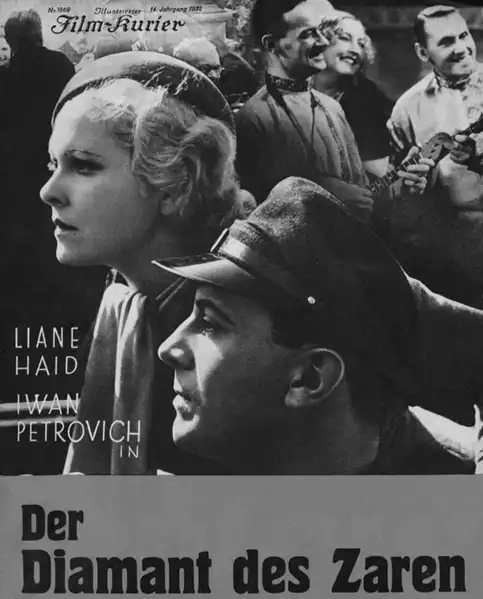
Alexa von Porembsky as Olga has a lovely presence. She carries herself well, even when the script doesn't give her a ton to do besides look worried or sing beautifully. Her singing scenes are actually quite nice, a real highlight.
Henry Pleß as André, the secret Duke, is a bit stiff. You don't quite get the sense of a man burdened by his identity. He just seems like a regular fellow, which I guess is the point, but it lacks a certain *spark*.
One performance that really stood out, even in a smaller role, was Theo Lingen. He plays a hotel porter, I think? He just has this way about him, a quick wit in his delivery, that makes you lean in. Every time he's on screen, the energy picks up a notch. It’s a subtle thing, but it’s there. You can feel the film *breathe* a little more when he’s around.
The sets are what you'd expect from a film of this era. They’re functional, sometimes quite grand, but don’t really demand much attention. The car factory scenes are kinda bland, just lots of machinery doing… stuff. You can almost feel the movie trying to convince you this industrial setting matters to the plot, but it never quite lands. 🏭
The pacing is very much of its time. Things take their sweet time unfolding. Modern audiences, used to quick cuts and constant action, might find themselves checking their watches. It's not *slow* in a bad way, just very deliberate.
There's a scene where Olga is singing at a fancy party, and André is watching her from across the room. The camera lingers on his face for what feels like a *really* long time. You're supposed to feel his adoration, but it just sort of... stretches. You start wondering if the director forgot to yell 'cut!' 😅
The resolution to the diamond caper and the romance feels a little too tidy, a bit rushed after all the slow build-up. It's like they ran out of film and just decided to wrap it all up. All the loose ends are tied with a neat bow, perhaps a little *too* neatly.
Don't get me wrong, it's not a terrible film. It's just not particularly *memorable*. It’s a piece of cinema history, and for that alone, it has some value. It’s a film where the premise is more intriguing than the execution.
It’s a curious watch if you’re into the quirks of early sound films and German productions from that period. Otherwise, you might find yourself drifting off. It's a bit like finding an old, slightly chipped teacup in an antique shop – interesting to look at, but maybe not for everyday use. ☕
IMDb 5.9
1912
Community
Log in to comment.