DbcultAccessing Vault...
5.9/10
Senior Film Conservator
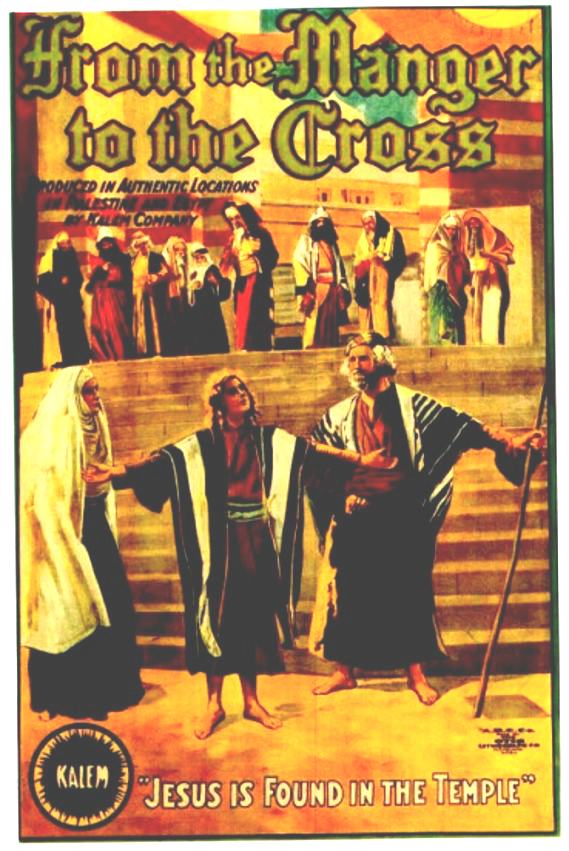
A definitive 5.9/10 rating for a film that redefined the boundaries of cult cinema. From the Manger to the Cross remains a cornerstone of transgressive art.
In the annals of early cinema, few films resonate with the audacious scope and spiritual gravitas of 1912's From the Manger to the Cross. This isn't merely a historical artifact; it's a profound declaration of intent, a testament to the burgeoning art form's capacity to tackle narratives of immense cultural and religious significance. At a time when the very notion of a feature-length film was still being defined, this ambitious production embarked on an unprecedented journey, not just across continents to film on sacred ground, but across the entirety of the New Testament narrative. It presented audiences with a reverent, meticulous, and visually arresting depiction of the life of Jesus Christ, setting a benchmark for biblical epics that would echo through decades of filmmaking. Its deliberate pace and tableau-like structure, far from being a limitation, offered a contemplative space, inviting viewers to engage with scripture in a profoundly new, visual medium. The film remains a cornerstone, a powerful reminder of cinema’s early potential to transcend mere entertainment and aspire to something truly transcendent.
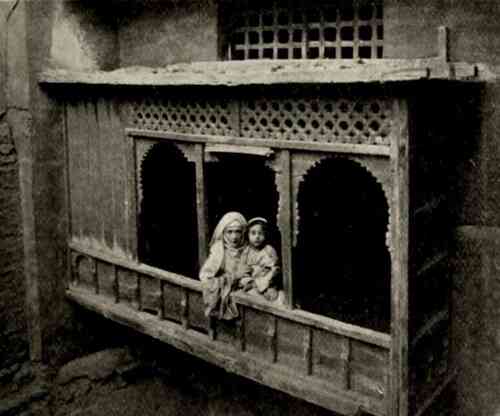
The very existence of From the Manger to the Cross as a multi-reel production in 1912 was, in itself, a cinematic marvel. At a juncture when most films were single-reel shorts, lasting mere minutes, this expansive work stretched to five reels, clocking in at approximately 90 minutes. This was a monumental undertaking, both logistically and financially, signaling a pivotal shift in audience expectations and the industry's burgeoning ambition. It stands alongside other pioneering long-form narratives of the era, such as Australia's The Story of the Kelly Gang (1906) or Russia's Defense of Sevastopol (1911), in pushing the boundaries of what a film could be. However, its subject matter—the entirety of the Christ narrative—lent it a unique weight and cultural importance, distinguishing it from adventure tales or historical dramas. The film wasn't just extending screen time; it was attempting to encompass a spiritual epic, a feat of storytelling that demanded sustained attention and a profound emotional investment from its audience, an entirely novel proposition for many early moviegoers.
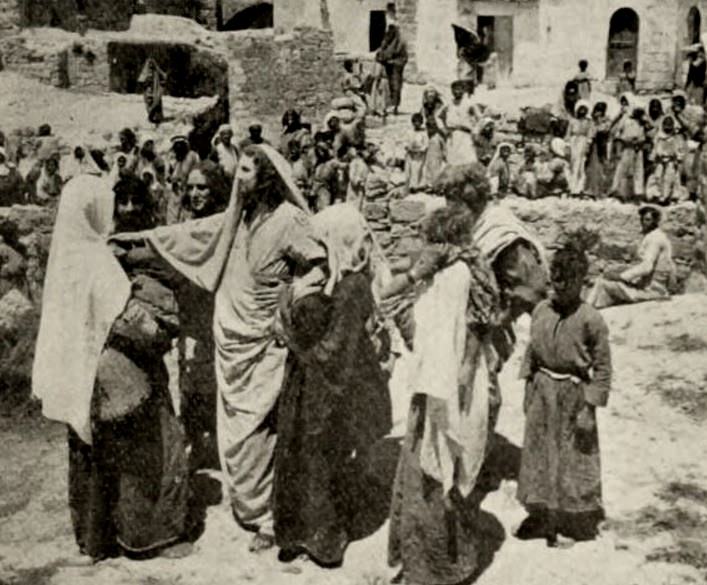
The narrative structure of From the Manger to the Cross is perhaps its most distinctive artistic choice: a deliberate reliance on a series of meticulously composed tableaus, each scene a living illustration of sacred scripture. This wasn't a failure to grasp dramatic tension but a conscious aesthetic decision, mirroring the visual language of religious art and stained-glass windows. Each tableau is an iconic moment frozen in time, allowing for contemplation rather than kinetic engagement. These visual feasts are punctuated by intertitles that directly quote biblical verses, serving not merely as exposition but as an integral, authoritative voice guiding the viewer through the divine chronicle. This approach differs markedly from the more overtly dramatic, even sensationalized, interpretations found in earlier European efforts like Life and Passion of Christ (1905) or The Life and Passion of Jesus Christ (1907), which often employed more theatrical staging and special effects. Here, the reverence is paramount, the storytelling almost liturgical, inviting a meditative engagement with the familiar narratives. The pacing, though slow by modern standards, was designed to allow the audience to absorb the spiritual weight of each scene, transforming the viewing experience into a solemn, almost devotional act. It’s a testament to Gene Gauntier’s vision as a writer that this unique structure held together, offering a coherent and deeply respectful retelling of the Gospel stories.
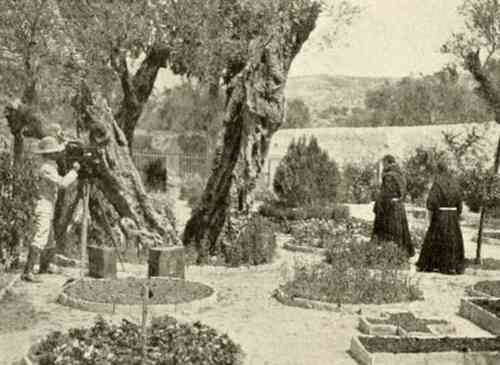
One of the most revolutionary aspects of From the Manger to the Cross was its audacious decision to film entirely on location in Palestine and Egypt. In an era dominated by studio backlots and painted backdrops, this commitment to authenticity was nothing short of groundbreaking. The very landscapes of the Holy Land—the dusty roads, the ancient towns, the vast deserts—became integral characters in the narrative, lending an unparalleled visual veracity to the biblical accounts. This wasn't just about pretty scenery; it was about imbuing the story with a sense of tangible reality, allowing viewers to see the events unfold in the very places they were believed to have occurred. The arduous journey, the logistical challenges of transporting equipment and crew to such remote locations, speak volumes about the production's dedication to its vision. While other films of the era might feature exotic locales, often captured in travelogues like Glacier National Park (1913) or Images de Chine (1912), integrating such extensive on-location shooting into a full-length narrative feature was a pioneering move. It created a sense of immediacy and realism that no studio set could possibly replicate, profoundly impacting audience perception and setting a new standard for historical and religious dramas.
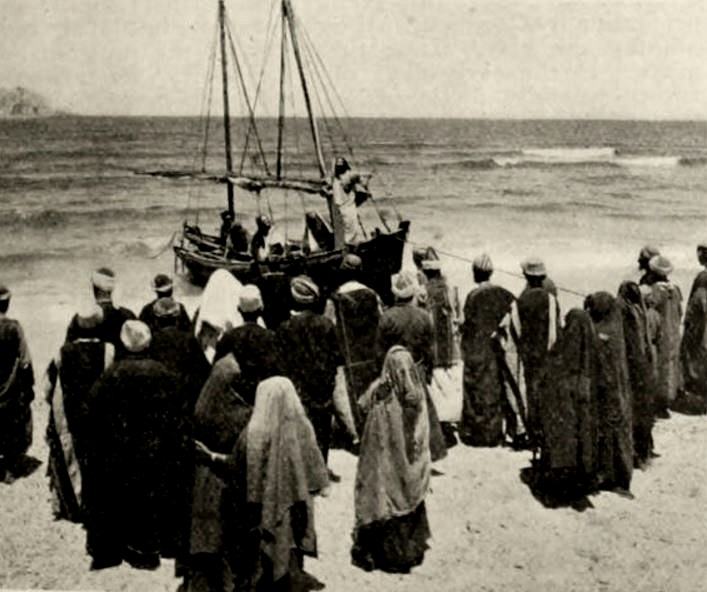
The performances in From the Manger to the Cross, particularly that of R. Henderson Bland as Jesus, are fascinating examples of early cinematic acting. Bland’s portrayal is marked by a dignified solemnity and an almost ethereal stillness, perfectly suited to the film’s tableau aesthetic. He embodies a Christ whose divinity is conveyed through quiet grace and profound presence rather than overt emotional displays. This contrasts sharply with the often melodramatic and exaggerated gestures typical of stage acting, which frequently translated awkwardly to the nascent film medium. Gene Gauntier, who not only played Mary but also penned the screenplay, delivers a performance imbued with maternal tenderness and quiet strength. Her dual role underscores the singular vision behind the film, allowing for a seamless integration of character interpretation and narrative intent. Percy Dyer, as the young Jesus, brings an innocent purity, while Alice Hollister's Mary Magdalene offers a more emotionally resonant, if brief, presence. The actors, operating within the constraints of silent film and the film's deliberate pacing, manage to convey the spiritual weight of their characters through subtle expressions and carefully held poses, transforming the biblical figures into recognizable, albeit idealized, human forms. Their work, though from a different era of performance, stands as a testament to the power of conviction and presence on screen.
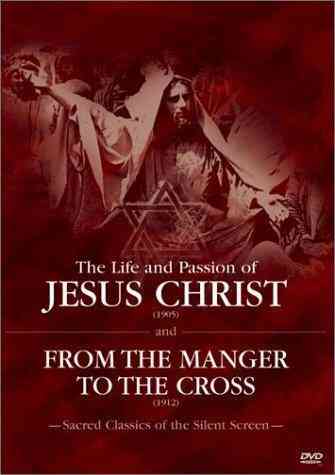
The visual language of From the Manger to the Cross is a masterclass in early cinematic craft, particularly given the technological limitations of 1912. The cinematography, while static by modern standards, expertly captures the stark beauty of the Holy Land, utilizing natural light to imbue scenes with an authentic, almost painterly quality. The absence of elaborate camera movements forces the viewer to focus on the composition within the frame, much like a classical painting. Costume design, while perhaps not striving for absolute historical accuracy, successfully evokes the period and distinguishes characters with clarity. The mise-en-scène is often sparse, allowing the natural landscapes and the gravity of the performances to dominate. This simplicity, far from being a drawback, enhances the film's spiritual directness. Innovations, though subtle, are present in the careful blocking of actors within the frame to create dynamic, albeit unmoving, compositions. The film's reliance on intertitles for dialogue and narration further underscores the visual storytelling, where every gesture, every pose, carries significant meaning. It’s a powerful example of how early filmmakers, with limited tools, could still create deeply impactful and aesthetically coherent works, demonstrating an intuitive understanding of how to translate profound narratives into moving images.
Beyond its technical and historical significance, the enduring power of From the Manger to the Cross lies in its profound thematic resonance and its undeniable spiritual impact. The film meticulously chronicles Jesus's miracles, his compassionate teachings, his profound suffering, and ultimately, his ultimate sacrifice and resurrection. Each tableau serves as a visual sermon, communicating complex theological concepts through simple, yet potent, imagery. The film doesn't preach; it presents, allowing the biblical verses and the visual narrative to speak for themselves. For early 20th-century audiences, many of whom were deeply religious, this cinematic rendition of the Gospels offered a new, immersive way to engage with their faith. It transformed abstract scripture into tangible, moving scenes, fostering a deeper connection to the events and figures central to Christianity. The film became not just entertainment, but a powerful tool for religious instruction and devotion, a shared spiritual experience in the nascent communal space of the cinema. Its reverent tone ensured that even the most devout found it respectful and illuminating, solidifying its place as a cherished work within the religious community and beyond.
The legacy of From the Manger to the Cross is indelible, positioning it as a foundational text in the history of biblical cinema. It proved that feature-length narratives, especially those of a serious and spiritual nature, could captivate mass audiences and be economically viable. Its groundbreaking use of on-location filming in the Holy Land set a precedent for authenticity that would influence countless biblical epics that followed. While later films, benefiting from advancements in technology and narrative sophistication, might offer more dynamic portrayals, this 1912 masterpiece retains its unique charm and historical importance. It represents a crucial step in the evolution of cinematic storytelling, demonstrating that film could be a powerful medium for conveying profound spiritual and historical narratives. Its preservation and continued study are vital, allowing contemporary audiences and scholars to appreciate its pioneering spirit, its artistic choices, and its enduring capacity to move and inspire. It remains a testament to the vision of its creators, particularly Gene Gauntier, who dared to bring the greatest story ever told to the silver screen with such ambition and reverence, laying the groundwork for an entire genre of filmmaking. The film is not merely a relic; it is a living document of cinematic ambition and spiritual devotion, continually inviting new generations to witness its quiet majesty.
To revisit From the Manger to the Cross today is to embark on a journey through time, not just to the dawn of cinema but to a period when the very language of film was being forged. It is a film that demands patience and an appreciation for its unique artistic sensibilities, but it rewards the viewer with an experience unlike any other. Its quiet dignity, its unwavering devotion to its source material, and its pioneering spirit ensure its place as more than just a historical curiosity. It is a work of enduring artistic merit, a powerful demonstration of how early filmmakers, with limited resources but boundless vision, could craft a narrative of profound spiritual significance. The film transcends its technical limitations, offering a moving and reverent experience that continues to resonate, reminding us of cinema's earliest triumphs in bringing the sacred to the screen. It stands as a magnificent, if understated, achievement, a true cornerstone in the grand edifice of film history and a testament to the timeless power of faith rendered in nascent moving images.
IMDb —
1930
Community
Log in to comment.