DbcultAccessing Vault...
Cult Review
Senior Film Conservator
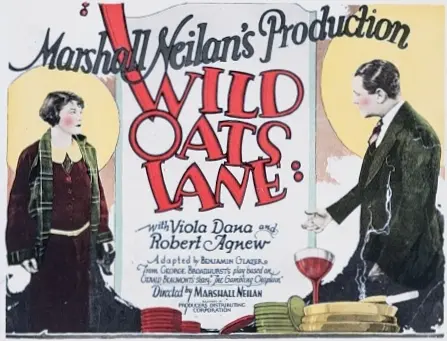
Short answer: Yes, but it requires a keen eye for its historical context and the subtle nuances of its storytelling.
'Wild Oats Lane' is a 1930s crime romance that offers a unique glimpse into a simpler era. While it may not be a cinematic masterpiece, it is a compelling narrative that beautifully captures the essence of a bygone era. This film is ideal for those who enjoy classic cinema and appreciate well-crafted narratives with a touch of romance and redemption.
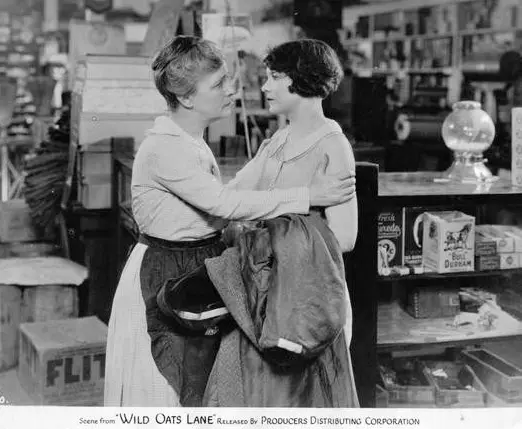
This film works because it effectively portrays the transformative power of love and the complexities of a man's journey from crime to redemption. However, it fails because the pacing can be slow at times, and the characters are not fully developed, which can make the narrative feel somewhat stagnant. You should watch it if you are a fan of 1930s cinema, appreciate a nuanced portrayal of love and redemption, and are willing to endure a slower pace for a more profound storytelling experience.
The acting in 'Wild Oats Lane' is understated and believable, particularly from Robert Agnew as The Boy. His portrayal of a man struggling with his past and a quest for redemption is both touching and authentic. Viola Dana as Marie brings a sense of innocence and resilience to the character, making her journey from prostitution to reformation believable and affecting. However, the supporting cast, including Margaret Seddon and George Barnum, do not leave a lasting impression, and their roles feel somewhat underutilized.
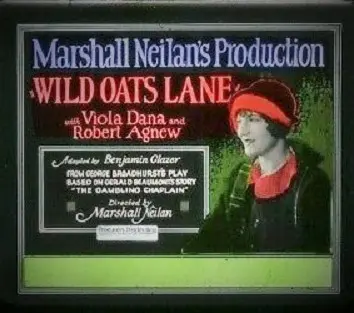
Director George Broadhurst does an excellent job of setting the tone and atmosphere of the film, using subtle lighting and cinematography to enhance the mood of each scene. The use of black and white cinematography effectively captures the essence of the 1930s, and the film's pacing is mostly consistent, though it can feel a bit slow in places. The pacing issue is particularly noticeable in the middle of the film, where the narrative seems to drag a bit. The direction is effective in creating a sense of tension and drama, but it could benefit from a more dynamic editing style to keep the audience engaged.
The cinematography of 'Wild Oats Lane' is a standout element of the film. The black and white photography enhances the film's period feel and creates a moody, atmospheric backdrop that perfectly complements the narrative. Robert Surtees's cinematography is particularly noteworthy for its use of shadows and light, which effectively heightens the emotional tone of the film. The pacing, while generally well-paced, can be a bit sluggish at times. The film's structure is linear, which can sometimes lead to a sense of monotony, especially in the middle sections where the narrative feels less engaging.
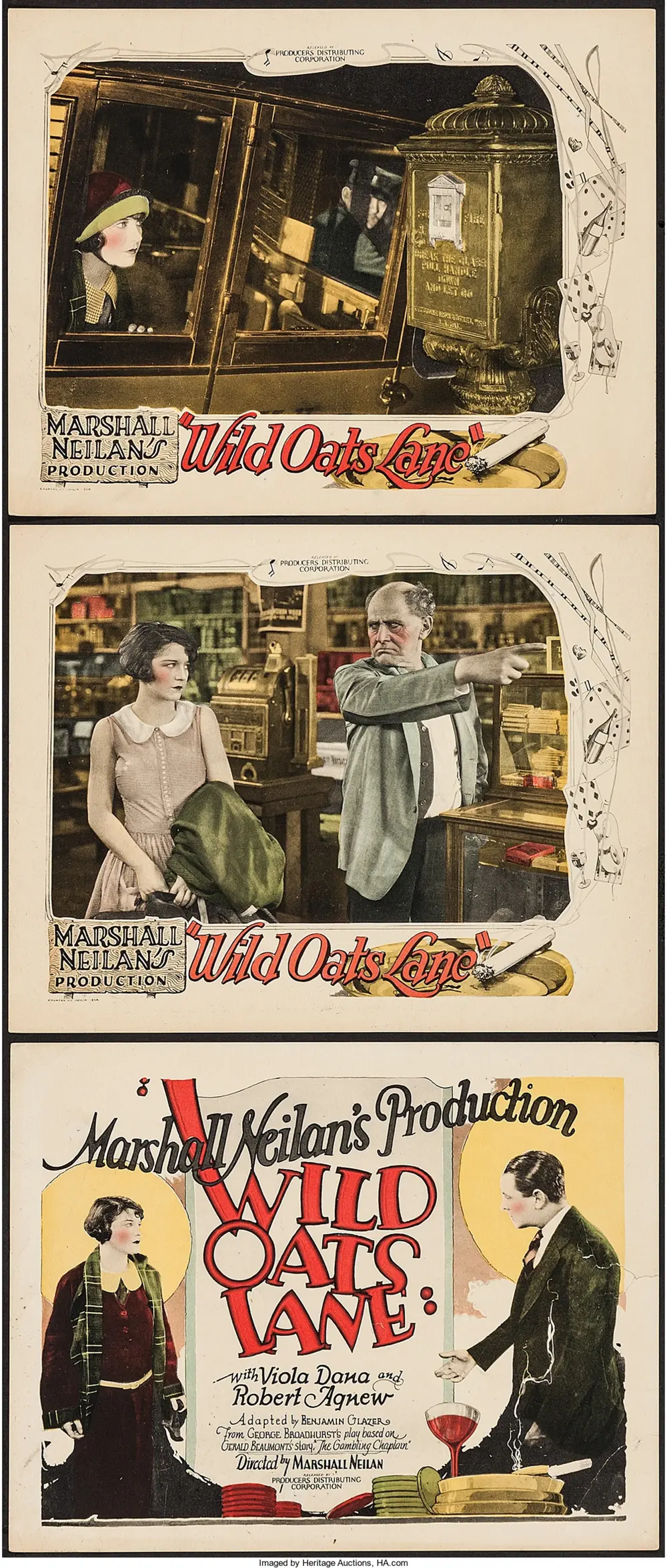
The tone of 'Wild Oats Lane' is primarily somber and reflective. The film deals with themes of crime, redemption, and love, all set against the backdrop of the 1930s. The narrative is driven by a series of events that lead to a gradual transformation of the main characters. While the plot is straightforward, the film's execution is nuanced and thoughtful. The film's pacing can be slow at times, but it is intentional, allowing the audience to absorb the emotional weight of the narrative. The use of flashbacks and present-day scenes effectively juxtaposes the past and the present, adding depth to the characters' journeys.
The role of the priest in 'Wild Oats Lane' is crucial to the film's narrative. He serves as a moral compass and a source of redemption for both The Boy and Marie. The priest's character is well-developed and adds a layer of complexity to the film. His presence in the narrative is essential, as he is the catalyst for the characters' transformations. However, his role could have been more developed, and his motivations could have been explored in more depth. The priest's character is a highlight of the film, but his backstory and role in the narrative could have been more fully realized.
While 'Wild Oats Lane' may not be a cinematic masterpiece, it is a compelling narrative that beautifully captures the essence of a bygone era. The film's use of black and white cinematography and its thoughtful pacing make it a worthwhile watch for those who enjoy classic cinema and appreciate a nuanced portrayal of love and redemption. However, the film's slow pacing and underdeveloped supporting characters may not be to everyone's taste. It works, but it’s flawed.
While 'Wild Oats Lane' may not be a cinematic masterpiece, it is a compelling narrative that beautifully captures the essence of a bygone era. The film's use of black and white cinematography and its thoughtful pacing make it a worthwhile watch for those who enjoy classic cinema and appreciate a nuanced portrayal of love and redemption. However, the film's slow pacing and underdeveloped supporting characters may not be to everyone's taste. It works, but it’s flawed. It is a film that requires patience and a willingness to engage with its narrative on a deeper level. It is a film that is worth watching, but it is not without its flaws.
IMDb 6.5
1933
Community
Log in to comment.