DbcultAccessing Vault...
Cult Review
Senior Film Conservator
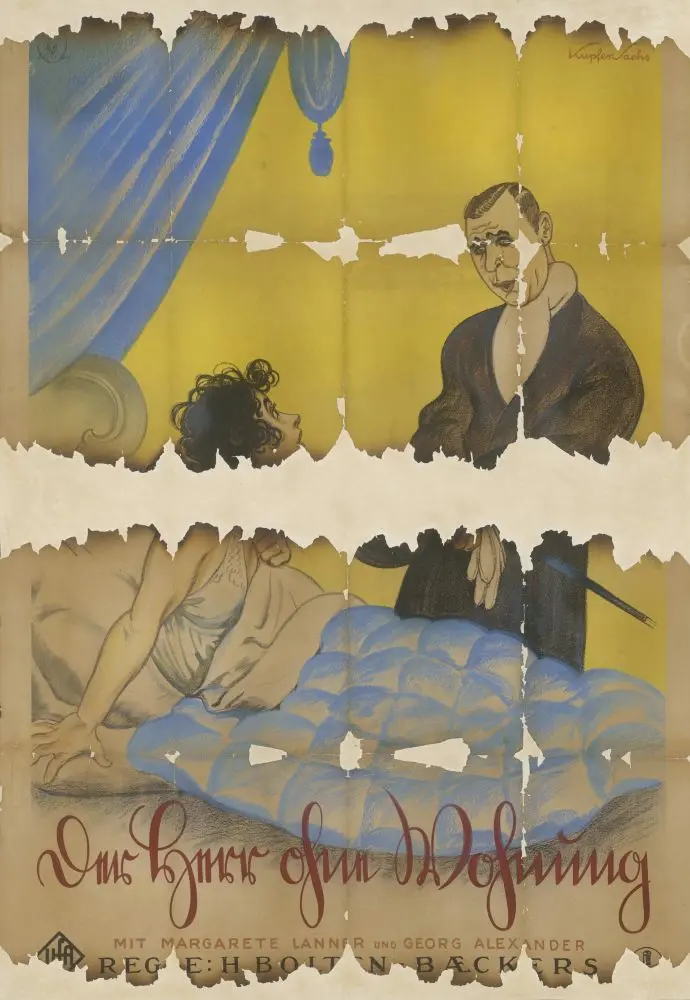
Der Herr ohne Wohnung (The Man Without a Home), a silent film from 1923, stands as a remarkable chronicle of the human spirit in the face of societal and personal adversity. The film, directed by Heinrich Bolten-Baeckers, is a visual and emotional journey through the labyrinthine streets of early 20th-century Berlin, where the protagonist Georg Alexander wanders aimlessly, seeking a place to call his own. His journey is a poignant exploration of identity, loneliness, and the search for meaning in a world obsessed with material possessions and social status.
Georg Alexander, played by the talented Georg Alexander, is a man adrift, his existence defined by the absence of a permanent home. His character is a stark contrast to the bustling, materialistic world around him. Through a series of encounters, Alexander's life becomes entangled with various individuals, each of whom is grappling with their own internal conflicts. Heinrich Gotho, as the enigmatic Herr Schmidt, and Margarete Lanner, as the mysterious Frau Müller, add depth to the film's narrative, enriching the tapestry of human experience.
The plot is a masterful blend of drama and social commentary. As Alexander navigates the social whirlwind, he encounters a diverse array of characters, each with their own story. These interactions are not merely superficial; they are profound examinations of the human condition. The film's setting, a vibrant yet stark Berlin, serves as a backdrop that mirrors the protagonist's inner turmoil. The city's bustling streets and the stark, angular architecture of the period reflect the fragmented nature of Alexander's psyche.
One of the most striking elements of Der Herr ohne Wohnung is its use of visual storytelling. Despite the absence of dialogue, the film relies on powerful imagery, expressive performances, and a well-crafted narrative structure to convey its message. The cinematography, by the talented Richard Ludwig, captures the essence of the era, from the vibrant colors of the city to the somber, monochromatic moments of introspection. The film's pacing is deliberate, allowing viewers to immerse themselves in the narrative and connect with the characters on a deeper level.
The emotional core of the film lies in its exploration of the human spirit. Alexander's journey is not merely about finding a home but about discovering a sense of belonging and purpose. The film raises questions about the nature of identity, the pressures of societal expectations, and the quest for authenticity in a world that often values superficiality over substance. Through its nuanced portrayal of its characters, Der Herr ohne Wohnung offers a profound meditation on the human experience.
In comparison to other silent dramas of the era, Der Herr ohne Wohnung holds its own with notable works such as Algeria and The Common Law. However, it distinguishes itself through its more introspective and character-driven narrative. The film is a testament to the power of silent cinema, where the absence of dialogue allows for a more intimate and emotional connection with the characters.
Technically, Der Herr ohne Wohnung is a remarkable achievement. The film's use of lighting, shadow, and composition creates a visually striking and emotionally resonant experience. The performances are exceptional, with each actor bringing a layer of depth to their role. Heinrich Gotho's portrayal of Herr Schmidt, a man haunted by his past, and Margarete Lanner's performance as Frau Müller, a woman searching for a sense of purpose, are particularly poignant. The film's score, while minimal, enhances the emotional impact of the scenes, adding layers of nuance to the narrative.
In conclusion, Der Herr ohne Wohnung is a cinematic masterpiece that transcends its silent era origins. It is a poignant exploration of the human spirit, a reflection of the societal pressures of early 20th-century Germany, and a testament to the power of storytelling in silent cinema. Whether viewed as a historical artifact or a work of art, this film offers a profound and moving experience. It is a must-see for anyone interested in the rich history of film and a testament to the enduring power of the human story.

IMDb 7.3
1934
Community
Log in to comment.