DbcultAccessing Vault...
Cult Review
Senior Film Conservator
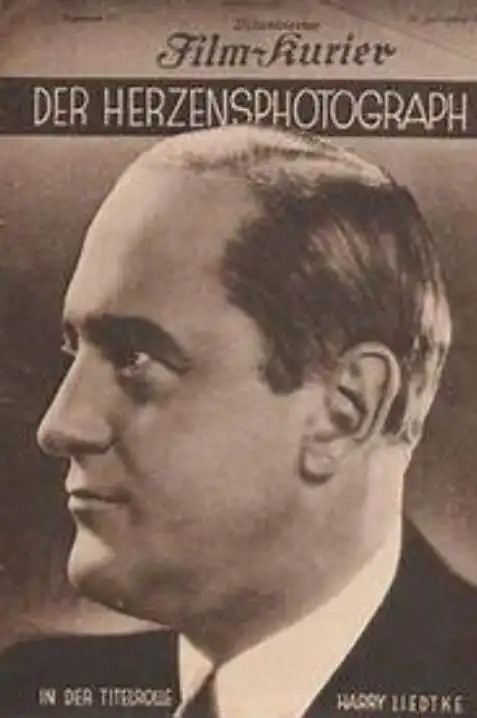
Okay, so Der Herzensphotograph – The Heart Photographer. That's a title that immediately tells you this isn't going to be some gritty noir. No, this one's for the folks who get a kick out of old-school charm and a bit of melodrama without any explosions. If you're a silent film purist, or just someone curious about what people watched back in '29, you might find something sweet here. But if you need snappy dialogue and plots that move at a TikTok pace, you're going to be absolutely bored out of your skull.
The film, at its core, is pretty much what it says on the tin: a story about a photographer who, well, captures hearts. Not literally, of course, but his portraits seem to have a way of entangling people's affections. It's a simple setup for some romantic misunderstandings and yearning glances across crowded rooms.
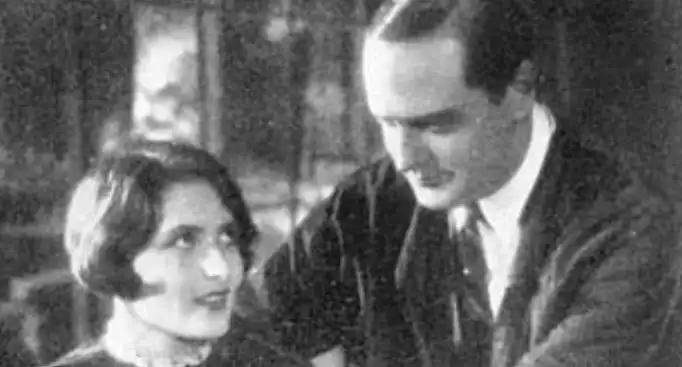
Betty Bird, as the young heroine, is just wonderful to watch. Her expressions, so clear, you almost don't even need the intertitles sometimes. There's this one scene where she's just looking at a photo, and you can practically see her whole little world crumbling. And then, a few minutes later, a tiny flicker of hope comes through. It's really good.
Harry Liedtke plays the charming, perhaps a bit too smooth, photographer. He's got that classic silent film leading man smirk. Sometimes it lands, other times it just feels a little too rehearsed, like he's trying to make sure the audience gets it.
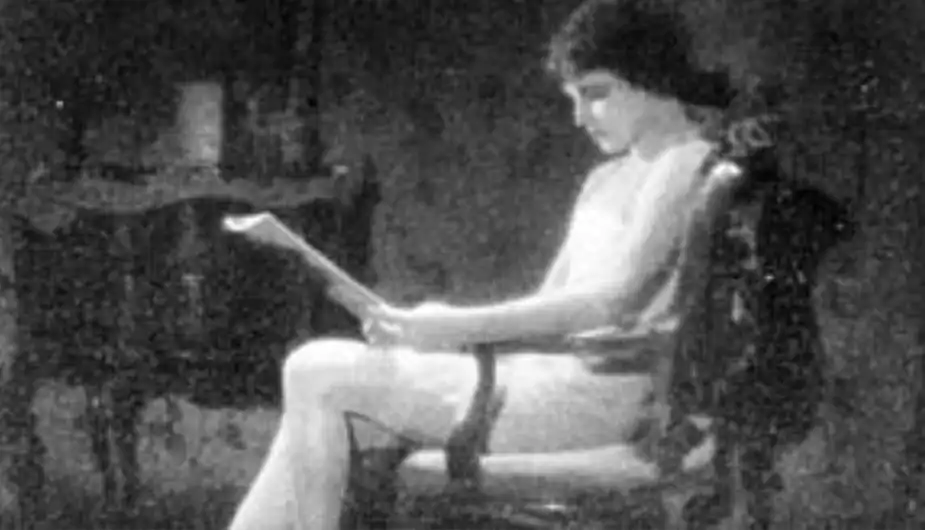
What really stuck with me was the way they tried to show the "heart" aspect of the photography. Not just regular pictures, you know? There's a sequence, pretty early on, where Liedtke's character is developing a portrait, and the film tries to layer in these ghostly, almost shimmering images over the face in the print, suggesting the inner feelings. It's a neat visual trick for its time, if a little clunky now. You can see them really trying to make that idea land, even if the tech wasn't quite there yet. 🎞️
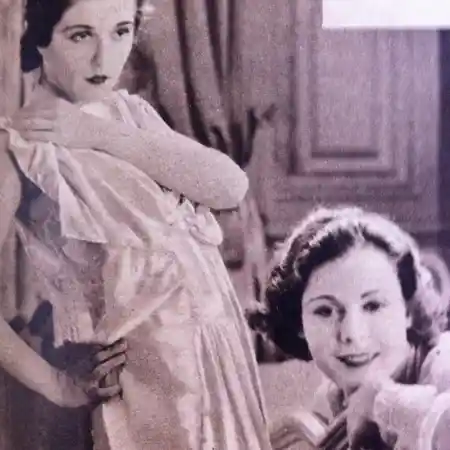
The film has this gentle, almost sleepy rhythm. You know, silent films often do. There are long stretches where it feels like not much is happening, just people walking around beautifully dressed sets. The costumes, by the way, are fantastic. Betty Bird wears this one dress, kind of light-colored with intricate lace details, during a garden party scene. It's so elegant. You just wish you could see it in color.
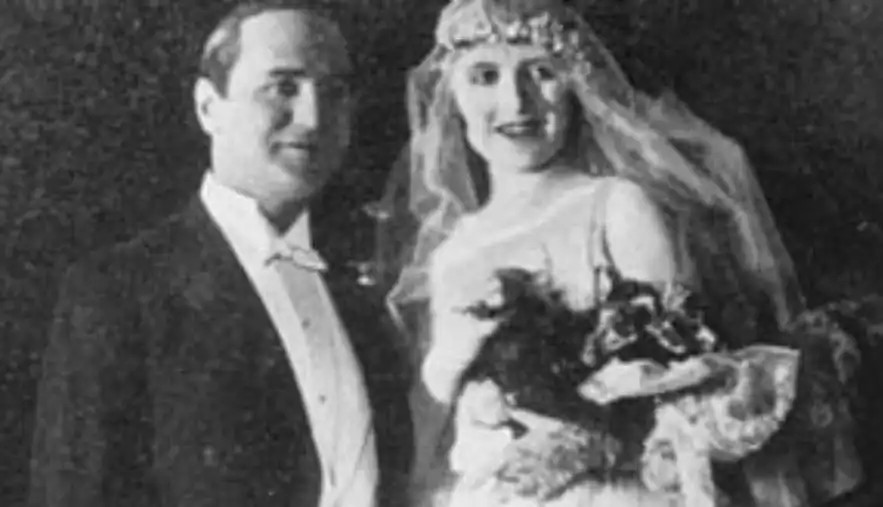
Robert Garrison is in it too, playing a slightly bumbling, well-meaning friend. He gets some of the film's few actual laughs. There's a moment where he tries to discreetly listen in on a conversation, hiding behind a ridiculously small potted plant. It’s a classic bit, and he sells it pretty well.
Honestly, the ending felt a little rushed after all the slow build-up. All the knots in the plot just snap into place in the last ten minutes. You almost feel the movie trying to convince you this moment matters more than it really does. It's not a bad ending, just a very tidy one, perhaps too neat for the emotional journey we'd been on.
You know, thinking about it, the way people interact in these old movies, it's so different. All the intense gazes, the dramatic hand gestures. It's like everyone is performing for the camera even within the story. It makes you wonder how people actually were in 1
IMDb —
1916
Community
Log in to comment.