DbcultAccessing Vault...
5.8/10
Senior Film Conservator
A definitive 5.8/10 rating for a film that redefined the boundaries of cult cinema. Cinderella Cinders remains a cornerstone of transgressive art.
A butler and a cook walk into a ballroom that isn’t theirs, and for seventy-two flickering minutes the world forgets whose side the silver is supposed to face. Cinderella Cinders—never mind the fairy-tale cadence—spits out the pumpkin before midnight even thinks to toll.
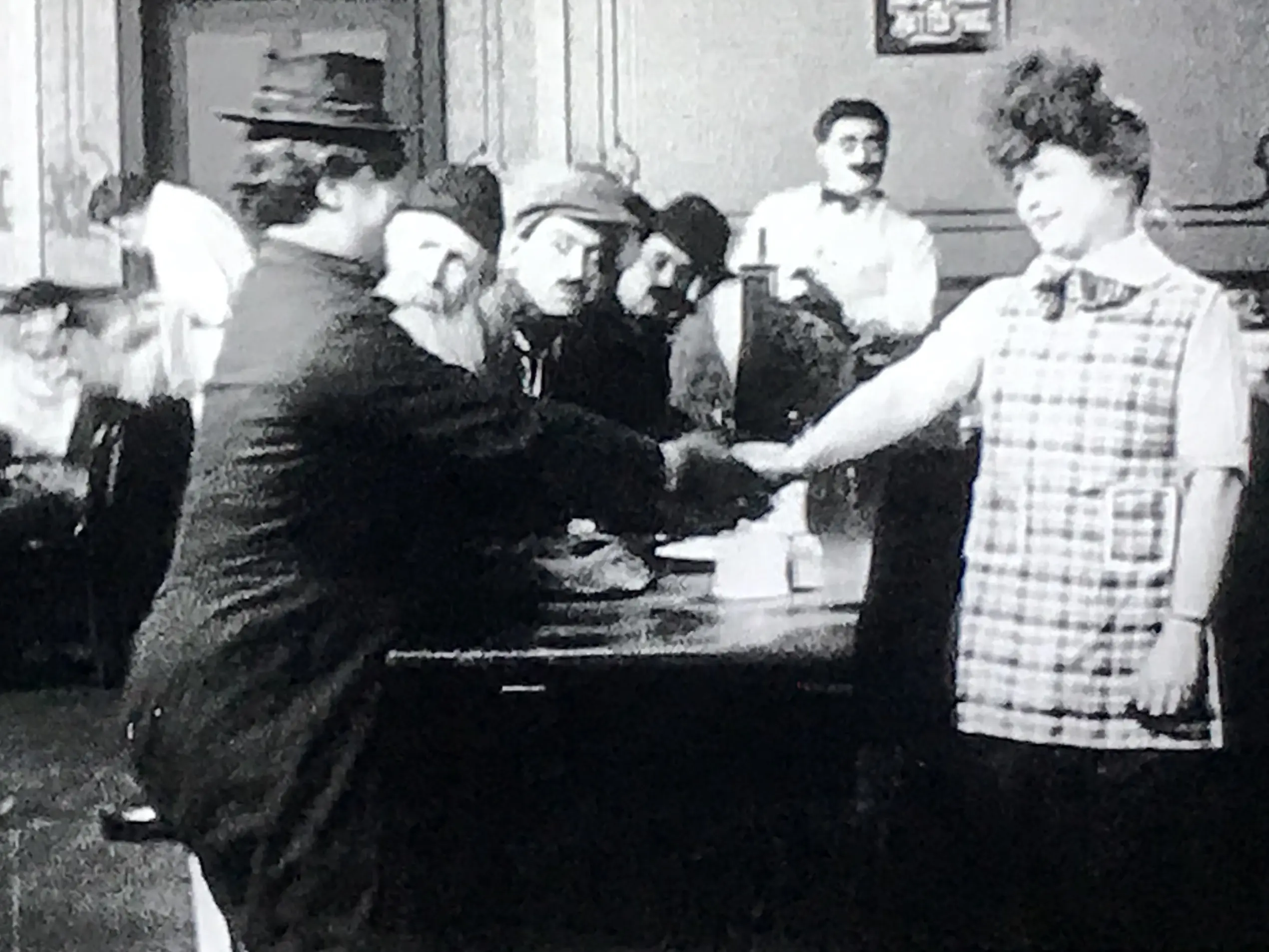
Shot on shoestrings in the last blush of 1926, this one-reel anarchist’s soufflé rises on the brute heat of Mattie Fitzgerald’s gaze. She plays the cook with the posture of someone who has stirred oceans of barley soup while reciting the entirety of The Internationale under her breath. Her cheeks glow not with rouge but with residual stovetop radiation. When the household’s upper-crust guests cancel—reasons never disclosed, though the stock market coughs ominously off-screen—she doesn’t mourn the chance to serve canapés; she seizes the chance to be the appetite.
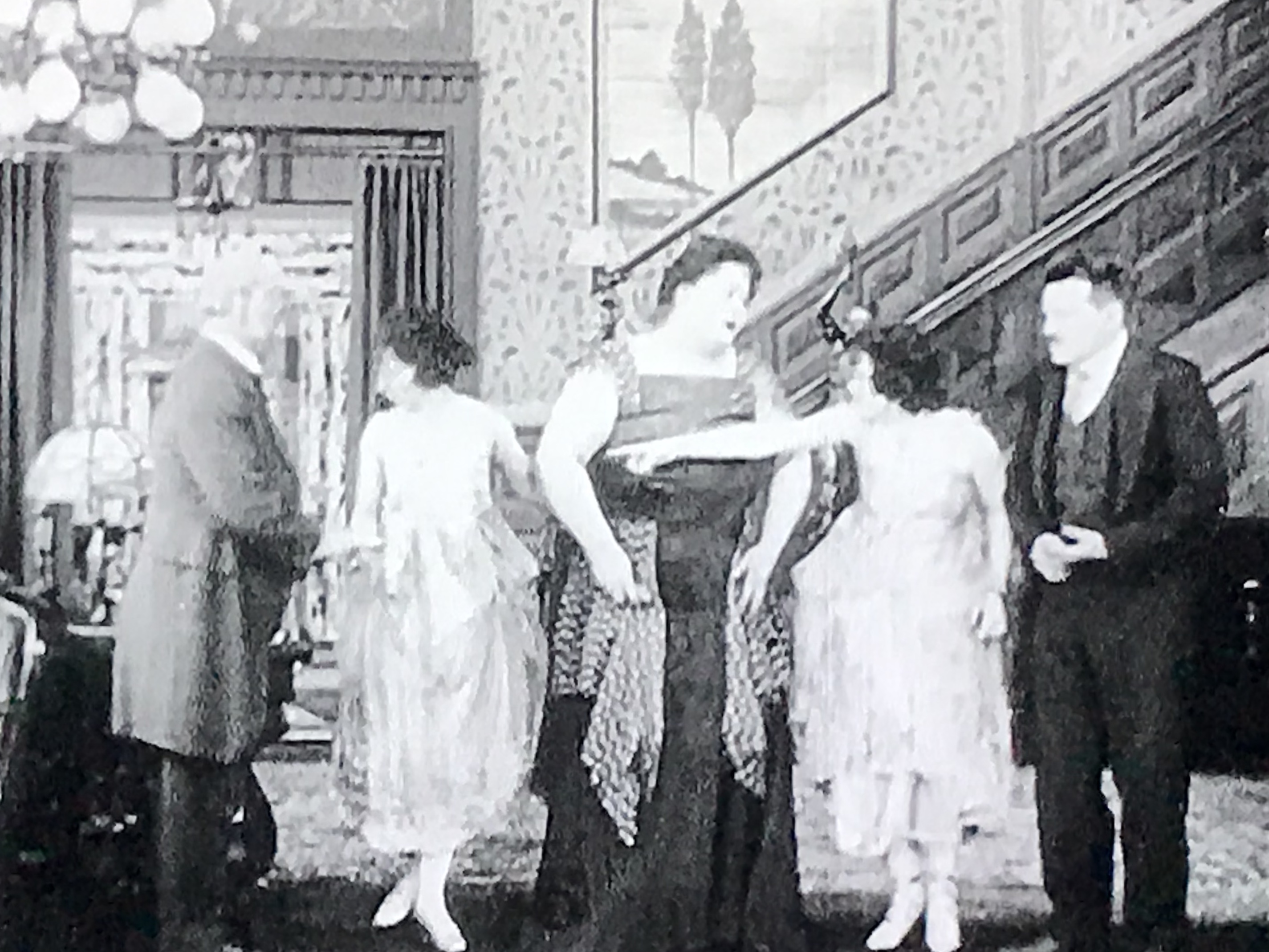
Enter Leo Sulky’s butler: spine like a sabre, side-part sharp enough to slice foie gras. Together they stage a commedia dell’arte for the benefit of an audience of furniture. They riffle through wardrobes, yank down drapes, and transmute kitchen towels into cravats. In one blink-and-miss gag, Fitzgerald whips a bread loaf into a bustle, achieving a silhouette that would make Worth weep. The camera, drunk on their audacity, pirouettes with them, weaving through clusters of empty chairs that suddenly seem to lean forward like gossiping biddies.
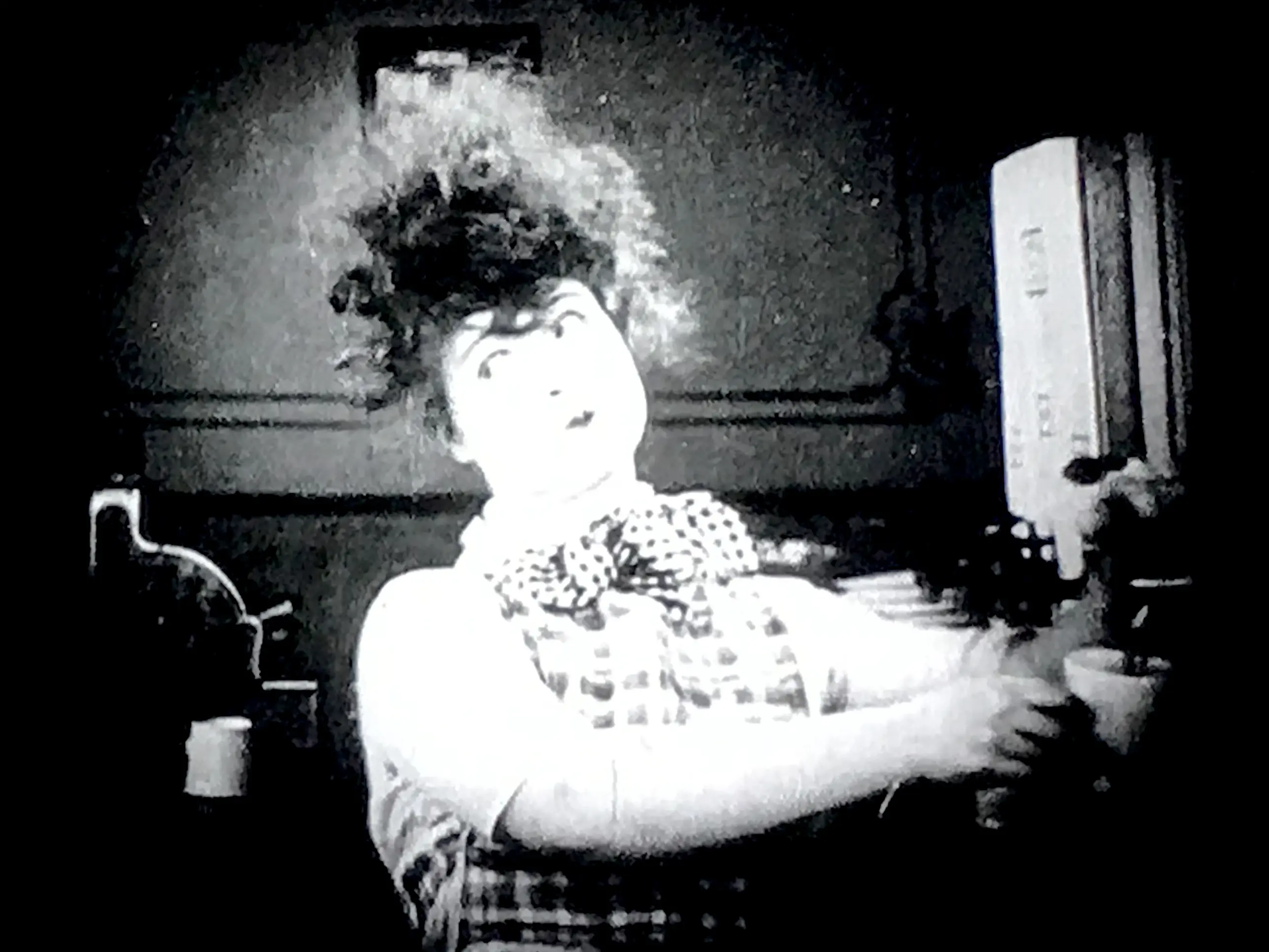
Director Alice Howell—yes, the Alice Howell who once wrung laughs from a cream pie and a suffragette banner—keeps her frames as tight as a pressure cooker. She cross-cuts between the servants’ sweaty improvisation and the grandfather clock’s unforgiving pendulum, reminding us that farce is just tragedy on a stopwatch.
There is no fairy godmother, only the butler’s cigarette case that doubles as a business-card holder; no glass slipper, only a soup ladle that Fitzgerald tucks into her garter like a concealed revolution. When she finally sashays down the grand staircase—now a runway of proletarian vengeance—the chandeliers flicker as though short-circuited by sheer nerve. For a second, the film achieves the sublime: the help becomes the horizon.
Of course the masquerade frays. A stray cufflink clatters, a false moustache wilts in the soup, and the illusion puddles into parquet. Yet the collapse feels less like defeat than like exhalation. Fitzgerald shrugs, pockets a silver toothpick, and trudges back toward the scullery, but the camera stays on her calves: they move differently now, calibrated to a new gravitational center. The final intertitle, flashed for barely two frames, reads: "Tomorrow the pot will boil again—perhaps higher." It’s the rare silent-era joke that lands like a prophecy.
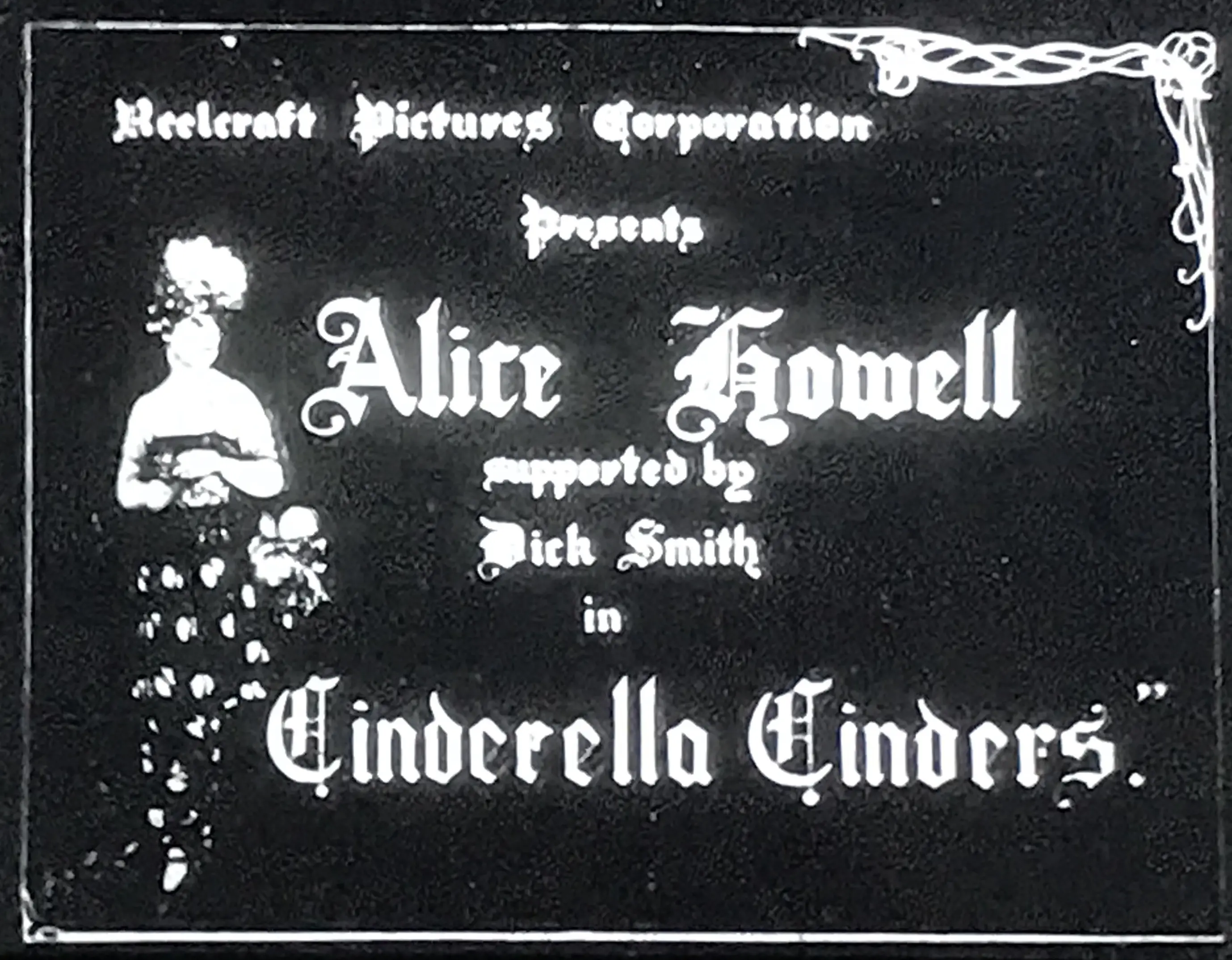
Mattie Fitzgerald never became a star; historians whisper she opened a bakery in Queens and refused interviews. Yet here she burns a hole in celluloid so wide you could baste a turkey in it. Watch her face when she first fingers a duke’s kid-leather glove: the micro-twitch from contempt to curiosity to carnal coveting happens at the speed of stock-market paper combusting. She weaponizes silence better than any scream.
Opposite her, Leo Sulky channels a militaristic twinkle. His butler is a man who has alphabetized his anxieties and filed them under W for Whatever. In the film’s loveliest grace note, he teaches Fitzgerald to waltz by counting out potato portions—one (peel), two (boil), three (mash)—turning domestic drudgery into courtly choreography. The scene lasts twenty seconds yet contains enough kinetic wit to power a Marx Brothers marathon.
Rose Burkhardt and Richard Smith round out the upstairs phantoms: she a flapper marionette with a laugh like shattering flutes, he a financier whose moustache seems fiscally leveraged. Their job is to remain oblivious, and they execute it with such zeal that their absence becomes a character in itself—an absentee landlord of a soul.
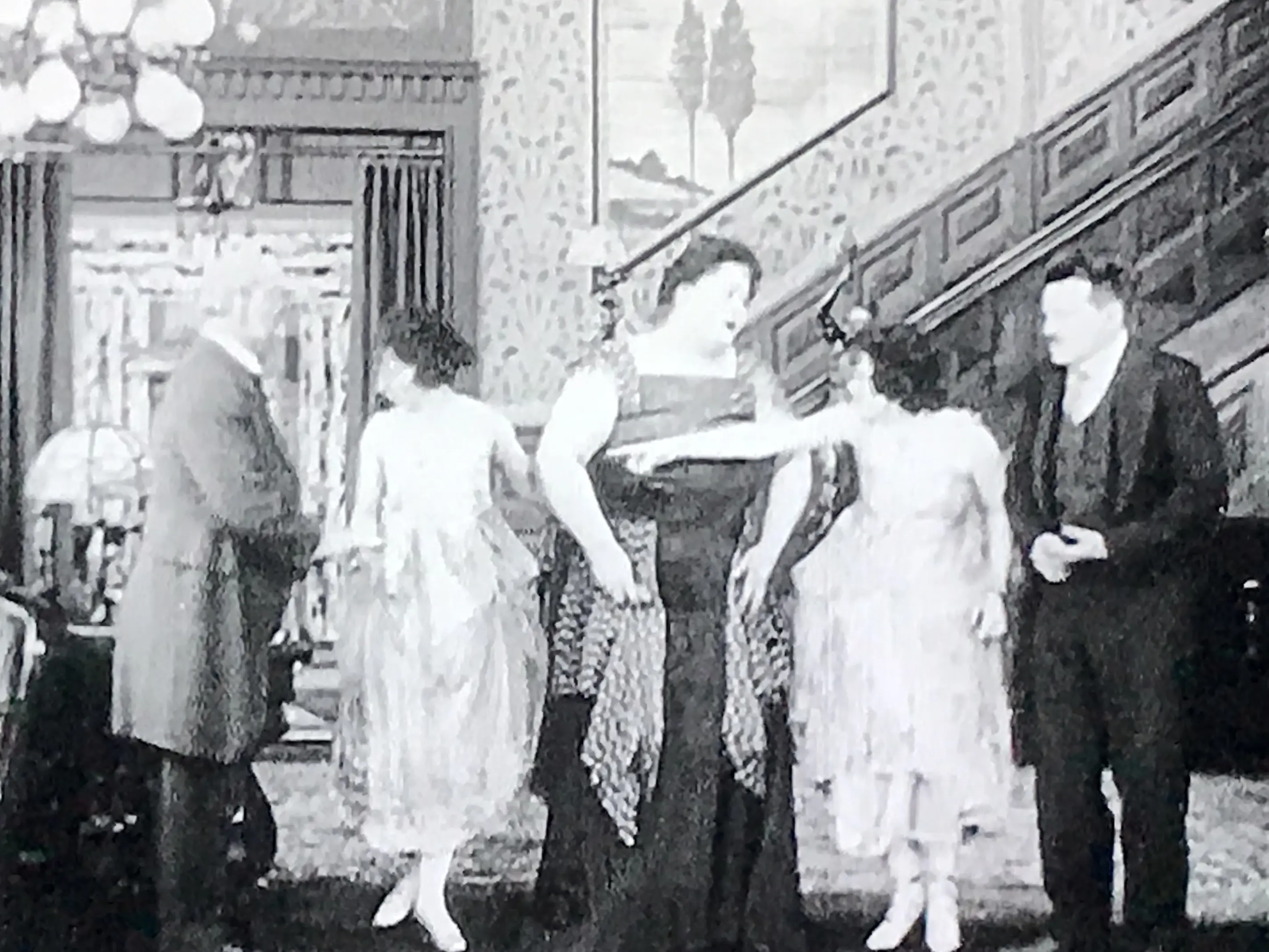
Cinematographer Unknown—the negative literally credits a smudge—relies on candlelight and mirrors to multiply wealth that never existed. In one shot, Fitzgerald’s reflection fractures across a triptych of silver serving trays, creating a centipede of would-be duchesses. The effect cost nothing but ingenuity, yet it anticipates the kaleidoscopic excesses of The Grim Game by a half-decade.
Howell’s set design deserves a dissertation: every hall table displays a bowl of wax fruit that looks juicier than the real thing, a perfect metaphor for capital itself. When Fitzgerald finally bites into an apple and discovers the ruse, her grimace is the Great Depression in miniature.
The film’s tinting strategy—amber for kitchen, cerulean for ballroom, sickly green for dawn-after—turns emotional temperature into chromatic notation. Archives screened a dupe without tint for decades, leading historians to misfile it as "minor slapstick." The restored 2022 Bologna print reinstates the hues, and suddenly the picture sings like a Socialist Wizard of Oz.
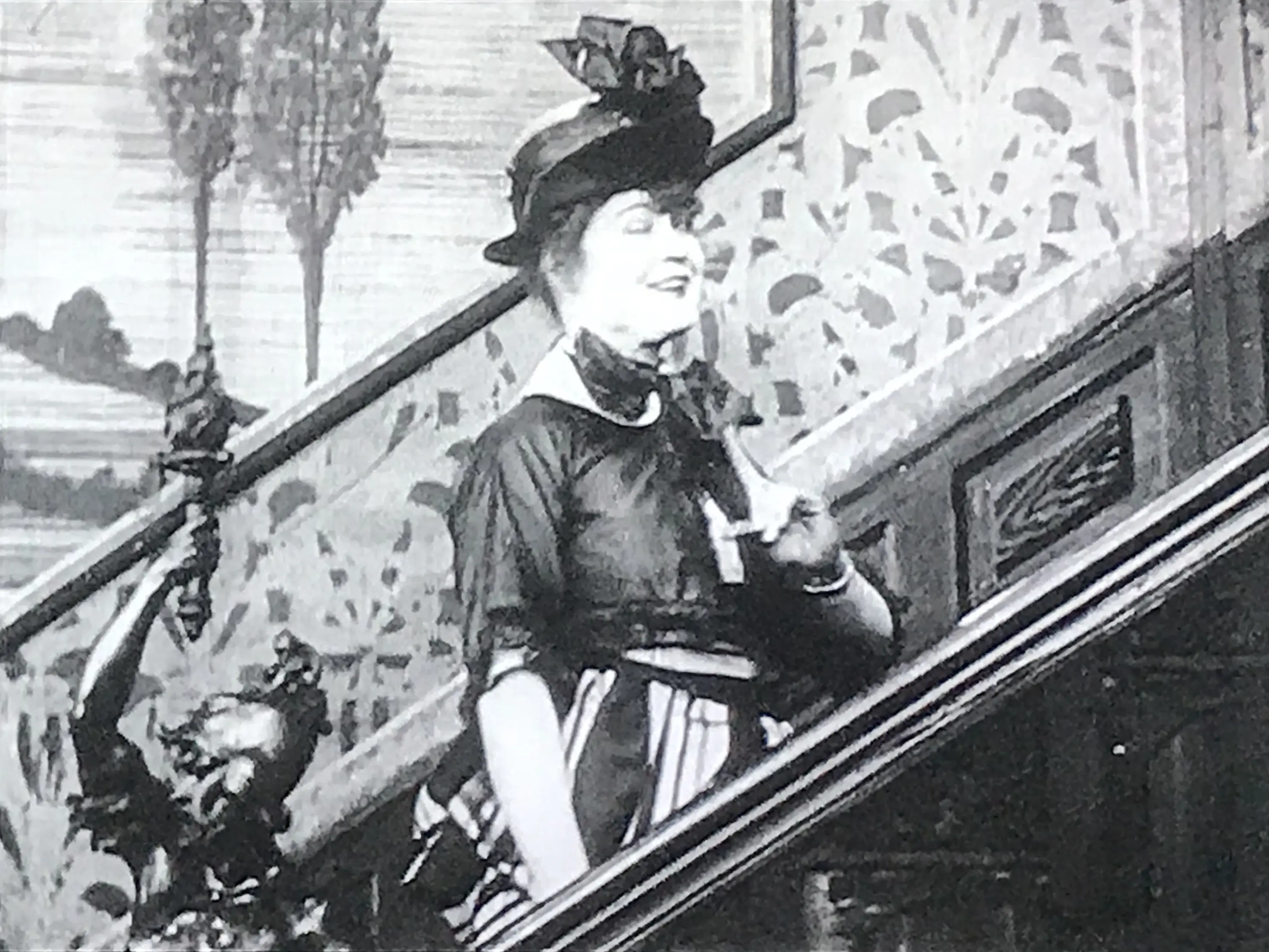
Silent cinema loved to knead class anxiety into doughy farce; think Herr und Diener or That Sort. Yet Cinderella Cinders refuses the usual catharsis where masters and servants hug under confetti rain. Instead, the masquerade exposes the arbitrariness of privilege so savagely that the mansion itself seems embarrassed. Staircases shrink, doorways gape like mouths ready to swallow the whole charade.
Compare it to Virtuous Men, where morality lectures the poor into gratefulness, or Jess, where a fallen woman redeems herself via self-sacrifice. Howell’s film retorts: redemption is a parlour trick; revolution is the only dance worth learning.
Even the title punks the canon. Cinderella evokes ashes, sure, but here the cinders are not transformative emblems—they’re what’s left after the castle burns down off-screen. The slipper fits nobody because it was always a rental.
Most prints circulate with a generic jaunty piano score that kneecaps the picture’s bite. I recommend syncing it—yes, I’m that nerd—with Alfredo Aracil’s 1997 suite for string quartet and kitchen implements. When the musicians strike colanders with spoons at the moment Fitzgerald dons her ducal disguise, the clatter becomes the heartbeat of insurgent joy.
If you’re stuck with the standard track, at least lower the volume and layer in some early Dixieland underneath; the polyrhythms turn the ballroom into a clandestine speakeasy where class roles swap like dance partners who’ve had three too many.
Stream it today and you’ll swear the butler’s side-eye glances straight at gig-economy overlords. The cook’s shrug after the collapse mirrors every hospitality worker who’s been told "we’re family" while cleaning ketchup off a toddler’s fresco. The 1920s may have invented flappers, but they also minted precarity; this film just folds one into the other like a crêpe stuffed with gunpowder.
Modern echoes? Search #ServerLife on Twitter any Friday night. You’ll find line cooks photoshopping themselves into Met-Gala selfies, bartenders pouring top-shelf jokes for patrons who tip in exposure. Cinderella Cinders merely pre-invented the meme, sans filter.
Academics keep trying to wed it to A Man of Sorrow or The Warfare of the Flesh for thematic heft, but that’s like forcing a firecracker into a philosophy seminar. The picture’s politics live in its calves, its wrists, the way a hand steadies a tray while dreaming of brandishing a torch.
Cinderella Cinders runs barely over an hour, yet it stretches time like taffy pulled between two class strata. You exit dizzy, tasting copper and champagne, convinced both that kitchens could overthrow dynasties and that they probably already have, one overcooked soufflé at a time.
If you crave a palate cleanser, chase it with Charley at the Beach for breezy slapstick, then return to this little Molotov cocktail whenever the news claims the wealth gap is "a recent predicament." Howell’s film will hand you a napkin—starched, embroidered, and perfectly capable of strangling a lie.
Rating: 9.5/10 – minus half a star only because the surviving print is missing a rumored sequence where the butler juggles goldfish in champagne flutes, and I want to believe I live in a world where that once existed.
IMDb —
1920
Community
Log in to comment.