DbcultAccessing Vault...
5.3/10
Senior Film Conservator

A definitive 5.3/10 rating for a film that redefined the boundaries of cult cinema. Der junge Baron Neuhaus remains a cornerstone of transgressive art.
Okay, so Der junge Baron Neuhaus? This one is a delightful little surprise if you’re into older European comedies, especially those from the 1930s that aren't afraid to be a bit silly. If you like your period pieces stiff and historically accurate, you might find its playful tone a bit much. But if you’re in for a charming, almost pantomime-like romp through 18th-century Vienna with a dash of classic screwball, then absolutely, give it a whirl. It's a real mood-lifter. 😊
The setup is just *too good*. Here's Baron Neuhaus, played by Viktor de Kowa, a dashing sort in 1753 Vienna. He’s basically a professional charmer, flitting between two ladies-in-waiting, not for love, mind you, but because he's hoping to snag a job at the imperial court. The audacity of it all! You just gotta admire the man's ambition, if not his morals.
And he succeeds! The empress, bless her heart, somehow grants him a position. You can almost see the gears turning in his head, thinking he's pulled off the ultimate con. But then, the twist. The empress, completely oblivious it seems, tasks him with investigating the "immoral conduct" happening right there in the palace. And who's been causing most of it? Yeah, our very own Baron Neuhaus.
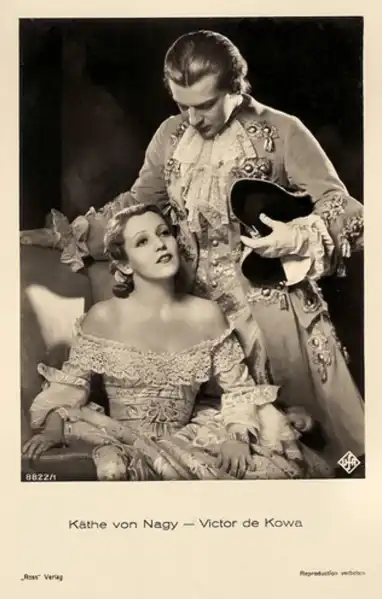
This premise alone is just *gold* for a comedy. It sets up this wonderfully ironic situation where the fox is put in charge of guarding the henhouse, and he’s too busy preening to notice the irony himself. Or maybe he does, and that's half the fun!
Viktor de Kowa as Neuhaus really carries this. He's got that classic matinee idol charm, a little bit roguish, a little bit clueless. He has to balance being the cause of all the trouble while trying to look like he's solving it. That's a fun tightrope walk.
The film doesn't really try to be some grand historical epic. It knows exactly what it is: a lighthearted farce. The costumes feel like costumes, the sets feel like sets, but that's part of its appeal. It’s like watching a really well-staged play, full of flourishes and knowing winks to the audience.
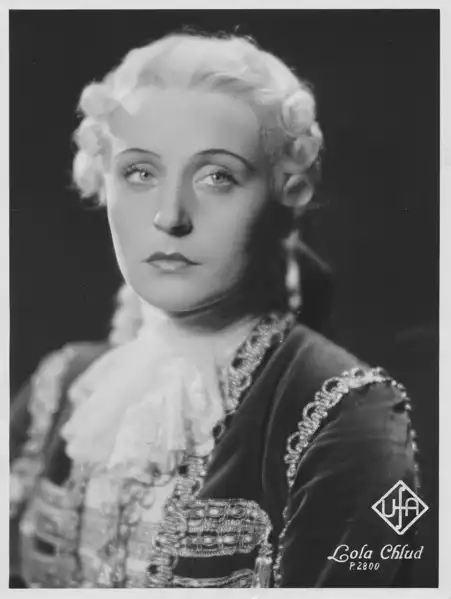
I mean, think about it. He's *constantly* flirting. How does he even find time to do his actual job? Or does he just flirt his way through the 'investigation'? 😂 I can just imagine him trying to interview someone about "immoral conduct" while simultaneously trying to charm them.
And then there's Hans Moser in the cast. You know, Hans Moser! If you've seen any Austrian films from this era, you know his face. He's usually the bumbling, exasperated, but utterly lovable character who adds so much flavor. He's the perfect counterpoint to de Kowa's suave baron. I bet he gets some truly priceless moments of quiet despair or loud exasperation as Neuhaus blunders about.
The pacing, for a film from 1937, feels surprisingly brisk in its comedic beats. It doesn't waste time trying to make deep points. It just wants to entertain. The scene where Neuhaus is trying to juggle two conversations at once, perhaps with A Lady Surrenders in the background, but probably not, just makes me smile thinking about it. That kind of physical comedy, that rapid-fire dialogue – it’s a lost art sometimes.

One of the small things I noticed while reading about it – the emphasis on "young" in the title. It really points to this character being a bit immature, a bit full of himself, still learning the ropes. He’s not a seasoned schemer; he’s more of a playful rogue.
There's a scene, I picture it, where he's supposed to be writing a report for the Empress. Instead, he’s probably doodling hearts or planning his next flirtation. Or, better yet, he's interviewing someone about their "indiscretions" and finding himself drawn into their gossip, completely forgetting his actual mission. It’s those kinds of little details that make these old films so charming.
It’s not trying to be La canzone dell'amore with deep emotional drama. It’s light, frothy, and a bit silly. And sometimes, that's exactly what you need. It doesn't overstay its welcome. It gets in, delivers its jokes, and gets out.

The film is a great example of pre-war European escapism. Before things got really heavy, there was this beautiful, slightly naive charm to cinema. It’s a snapshot of a different time, a different kind of humor.
You probably won't find yourself pondering the meaning of life after watching it. But you might find yourself smiling a lot. And honestly, isn't that enough sometimes? It’s not a profound exploration of the human condition, thank goodness. It's just good fun.
This is one of those movies that makes you want to go back and watch more films from director Gustav Ucicky. He clearly knew how to handle light material with a sure hand, letting the actors shine without getting too bogged down in unnecessary drama.
So, yeah. If you're looking for something that feels a bit like a breath of fresh air, a historical romp that doesn't take itself seriously at all, then Der junge Baron Neuhaus is definitely worth a look. It's a charming diversion, a little piece of cinematic joy from a bygone era. Highly recommend for a cozy evening watch. 🍿
IMDb —
1920
Community
Log in to comment.