DbcultAccessing Vault...
Cult Review
Senior Film Conservator
There’s a particular kind of magic that emanates from the silent era, a cinematic language spoken through gesture, expression, and the stark interplay of light and shadow. Among the often-overlooked treasures of this period, Ludwig Trautmann’s Der König ihres Herzens emerges as a deeply resonant piece, a testament to the enduring power of human emotion rendered without the aid of spoken dialogue. This film, a poignant exploration of duty versus desire, loyalty versus longing, stands as a quiet titan within the German romantic drama landscape of its time. It’s a narrative that, despite its vintage, speaks volumes about the human condition, echoing through the decades with a clarity that many contemporary works struggle to achieve. The sheer artistry involved in conveying such complex emotional landscapes through purely visual means is a masterclass in storytelling, demanding an active engagement from the viewer that transcends passive consumption.
At its core, Der König ihres Herzens unfurls the tragic romance of Helena, portrayed with breathtaking nuance by Senta Horst. Helena is not merely a protagonist; she is an embodiment of an entire social stratum grappling with the relentless march of modernity, her noble lineage now a fragile veneer over an increasingly precarious financial reality. Horst imbues Helena with an internal luminescence, a quiet strength that belies her outward vulnerability. Her eyes, often downcast yet capable of flashing with defiance or melting with profound tenderness, become the primary conduit for her character’s tumultuous inner world. We witness her initial, almost ethereal connection with Count Viktor von Richter, played by Oevid Molander, an artist whose bohemian spirit and burgeoning talent offer a stark contrast to the rigid societal expectations pressing down upon Helena. Molander’s portrayal of Viktor is one of passionate idealism, a man whose art is not merely a profession but an extension of his very soul, particularly when inspired by his beloved Helena. Their early scenes together are imbued with a delicate intimacy, a stolen series of glances and hushed gestures that convey a world of unspoken devotion, a testament to the powerful, almost spiritual bond they share.
The narrative swiftly introduces the formidable counterpoint to this tender romance: Baron Heinrich von Altenberg, brought to life with a compelling gravitas by Ludwig Trautmann. Trautmann, who also penned the screenplay, crafts a character of immense, almost monolithic presence. The Baron is not a simple villain; he is a force of nature, a pillar of the establishment, representing an unyielding practicality and a world of undeniable security. His suit for Helena’s hand is not born of a fleeting fancy but a calculated decision, offering her family a lifeline from impending ruin. Olga Engl, as Helena’s Aunt Ingrid, acts as the pragmatic orchestrator of this potential alliance, her performance a masterclass in subtle manipulation born of genuine concern for her niece's future, albeit a future defined by societal rather than emotional imperatives. Engl's nuanced portrayal ensures that Aunt Ingrid is not a caricature, but a woman trapped by her own era's strictures, believing she acts for the greater good. The pressure on Helena mounts, a suffocating weight that traps her between the dictates of her heart and the inescapable demands of familial duty. This tension is palpable throughout the film, a simmering undercurrent that threatens to erupt at any moment, creating an almost unbearable suspense that keeps the audience utterly captivated.
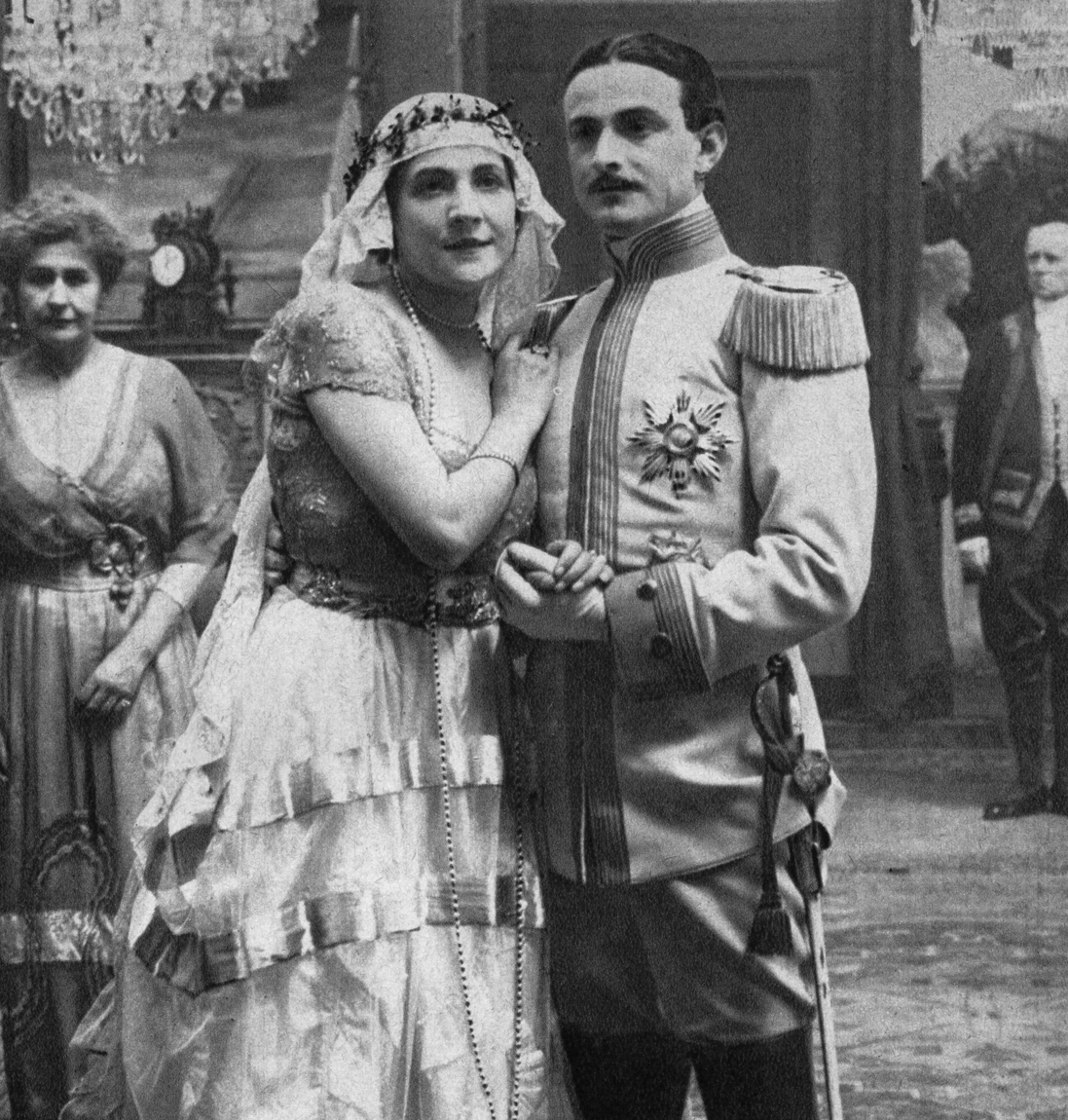
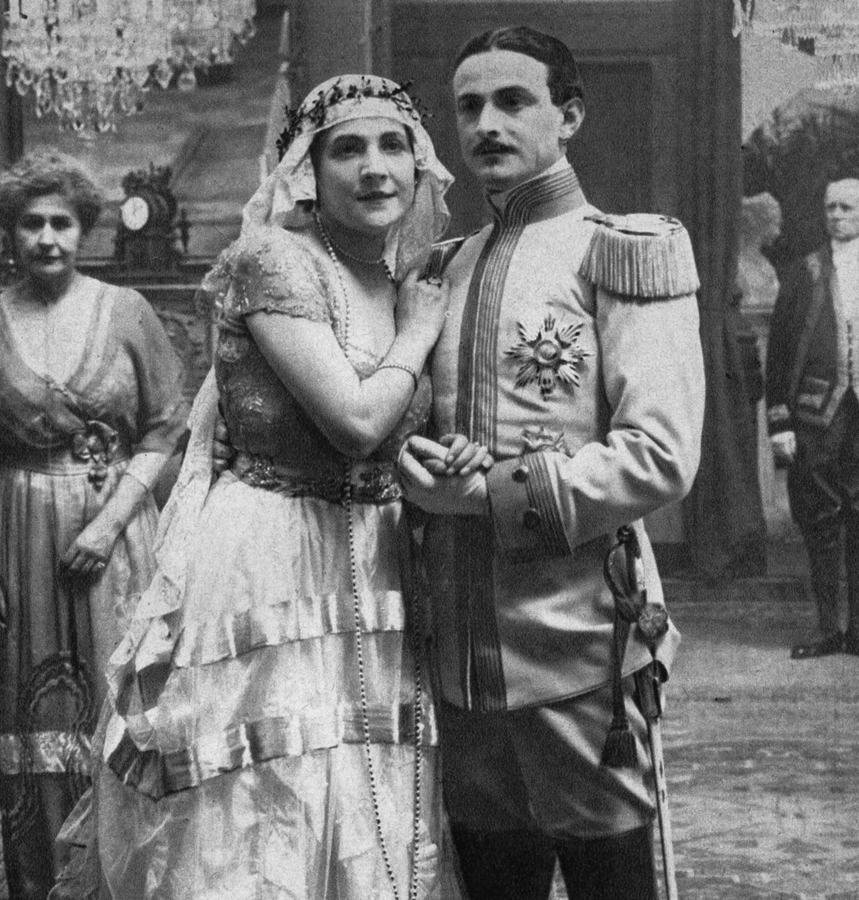
The pivotal moment arrives with the revelation of a dire family debt, a financial precipice that threatens to plunge Helena and her kin into destitution. It is here that Senta Horst’s performance truly ascends to a transcendent level. Her silent agony, the internal debate etched across her features, as she contemplates the ultimate sacrifice, is heart-wrenching. The decision to forsake her true love, Viktor, and accept the Baron’s proposal is not made lightly; it is a profound act of self-abnegation, a testament to her unwavering loyalty to her family. The wedding sequence itself is a masterstroke of visual storytelling. It is devoid of the usual celebratory fanfare, instead imbued with a somber, almost funereal atmosphere. Helena, adorned in her bridal finery, appears less like a bride and more like a sacrificial lamb, her eyes reflecting a profound, unspeakable sorrow. The contrast between the opulent setting and her inner desolation is stark, a powerful visual metaphor for her gilded cage existence. The film expertly uses mise-en-scène to underscore this emotional chasm, with grand, imposing sets often dwarfing Helena, emphasizing her isolation even amidst luxury.
Following the marriage, the narrative shifts, exploring the bitter harvest of Helena's choice. Her life as the Baroness is one of material comfort but spiritual emptiness. The magnificent estates, the lavish balls, the endless parade of social engagements — all serve as a backdrop to her quiet despair. Horst conveys this with remarkable subtlety; there are no grand outbursts, no overt displays of unhappiness, but rather a slow, almost imperceptible fading of her vivacity. A wistful glance out a window, a lingering touch on a locket containing Viktor's miniature, a melancholic sigh when alone – these small gestures speak volumes. Meanwhile, Viktor, devastated by Helena’s apparent betrayal, channels his profound heartbreak into his art. Molander portrays Viktor’s transformation from a hopeful, if struggling, artist into a renowned master with compelling conviction. His canvases, now imbued with a raw, intense emotionality, become powerful visual elegies to his lost love, his suffering transmuted into beauty. The film suggests that true art often springs from profound personal experience, a theme explored with eloquent simplicity. This period of the film, while slow-burning, is crucial for establishing the irreversible consequences of Helena's decision, allowing the audience to truly feel the weight of her sacrifice and Viktor's enduring pain. It echoes the quiet desperation found in films like The Bridge of Sighs, where personal choices lead to long-lasting sorrow.
The cinematic techniques employed in Der König ihres Herzens are remarkably sophisticated for its time. The cinematography, while constrained by the technology of the era, is often breathtaking. Close-ups are utilized sparingly but effectively, drawing the audience into the characters' most intimate moments of joy and anguish. The use of shadow and light, a hallmark of German Expressionist cinema that would soon flourish, is already evident here, creating a palpable sense of mood and foreboding. The editing maintains a deliberate pace, allowing scenes to breathe and emotions to register fully, rather than rushing through pivotal moments. The absence of spoken dialogue forces a heightened reliance on visual storytelling, and the actors rise to this challenge magnificently. Their pantomime is not exaggerated but finely tuned, a delicate ballet of gestures and expressions that communicate entire paragraphs of subtext. The film's musical score, though not part of the original silent presentation, would have been improvised by live musicians, playing a crucial role in amplifying the emotional resonance of each scene, guiding the audience through the narrative's peaks and valleys. One can imagine a skilled pianist or orchestra weaving a tapestry of sound that would elevate the visual drama to an even greater emotional intensity.
A particularly powerful aspect of the film is its exploration of societal constraints and the often-unseen sacrifices demanded of women in that period. Helena’s choice is not merely personal; it is a reflection of the limited agency afforded to women, particularly those of a certain class, whose destinies were often intertwined with the financial fortunes of their families. Her story resonates with a universal truth about the compromises people are forced to make for the sake of others, a theme that remains relevant even today. The film avoids simplistic moralizing, instead presenting a nuanced portrayal of a woman caught in an impossible situation. The Baron, initially perceived as an antagonist, eventually reveals layers of complexity. Ludwig Trautmann’s performance ensures that the Baron is not a one-dimensional tyrant but a man who, despite his wealth and power, is emotionally unfulfilled, perhaps even lonely. His quiet observations of Helena’s enduring sorrow, his gradual realization of the depth of her sacrifice, are subtly conveyed, leading to an unexpected, almost redemptive arc for his character. This humanization of all principal figures, even those seemingly opposed, elevates the film beyond mere melodrama into something more profound and psychologically intricate.
The film’s climax, a chance encounter at one of Viktor’s now-celebrated art exhibitions, is a masterclass in understated drama. The years have passed, etching their marks on all three protagonists. Helena, though still beautiful, carries the weight of her unfulfilled life. Viktor, renowned but haunted, still bears the scars of his lost love. The Baron, a silent observer, is confronted by the raw, undeniable truth of their enduring connection, laid bare in Viktor’s art, which often features Helena’s likeness, albeit subtly disguised. The emotional tension in this scene is almost unbearable, a silent symphony of regret, longing, and unspoken truths. It is here that the Baron, in an act of profound, almost tragic magnanimity, finally acknowledges the true 'king of her heart.' His decision, whether through a final selfless act of release or a tragic turn of events that frees Helena, is handled with a delicate touch, emphasizing the profound impact of her sacrifice on all involved. The specific nature of his 'release' is left open to interpretation, adding to the film's enduring mystique – perhaps a quiet understanding that allows her to leave, or a final illness that removes him from the equation, leaving her free but burdened by the memory of his unexpected kindness. This ambiguity is a strength, inviting the viewer to contemplate the complexities of love, duty, and redemption. This poignant resolution, though bittersweet, offers a sense of closure, albeit one tinged with the melancholic beauty of what was lost. The reunion of Helena and Viktor is not a joyous explosion of relief but a quiet, almost reverent coming together, their love reborn but forever marked by the passage of time and the weight of choices made under duress. It speaks to the idea that some wounds, even when healed, leave indelible scars, enriching the narrative with a profound sense of realism and emotional depth. It's a far cry from the more overtly triumphant endings of films like Hearts of Oak, opting instead for a more nuanced, reflective conclusion.
In comparing Der König ihres Herzens to other films of its period, one can see its unique place. While it shares the melodramatic sensibilities of many silent dramas, it distinguishes itself through its psychological depth and the nuanced performances of its cast. Unlike the more overt social critiques found in some contemporary works, this film delves into the internal struggles of its characters with a profound empathy. It doesn’t preach, but rather invites contemplation on the nature of happiness, sacrifice, and the often-cruel hand of fate. The film's artistic integrity and emotional honesty set it apart. It avoids the sensationalism that sometimes plagued lesser melodramas, opting instead for a quiet intensity that resonates long after the final frame. The visual storytelling techniques, the masterful use of body language and facial expression, elevate it beyond mere plot mechanics. The film is a powerful reminder that the silent era was far from unsophisticated; it was a period of immense creativity and innovation, where filmmakers and actors alike pushed the boundaries of visual communication. It demonstrates how deeply human stories can be told without a single spoken word, relying instead on the universal language of emotion and gesture. This film, truly, is a forgotten masterpiece that deserves renewed attention, a beacon of early German cinema that continues to illuminate the complexities of the human heart. Its enduring appeal lies in its timeless themes and its masterful execution, proving that some stories need no dialogue to speak directly to the soul. It leaves one pondering the true meaning of devotion, sacrifice, and whether one can ever truly reclaim what has been lost to the relentless currents of time and circumstance. The echoes of Helena’s heart, forever torn between duty and desire, reverberate with a haunting beauty, cementing Der König ihres Herzens as a significant cinematic achievement.
IMDb 5.8
1924
Community
Log in to comment.