DbcultAccessing Vault...
Cult Review
Senior Film Conservator
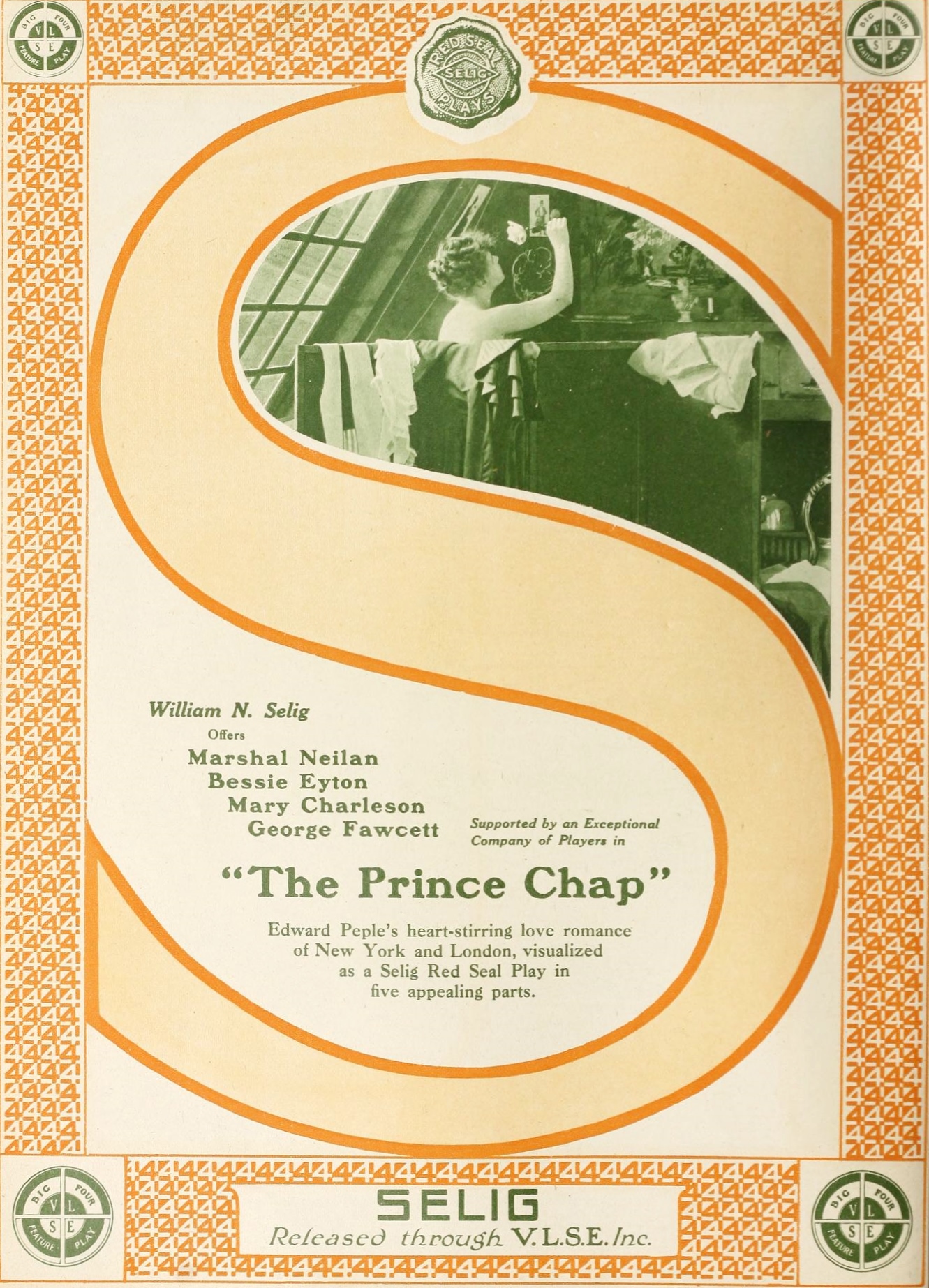
Stepping back into the flickering shadows of early cinema, one often discovers narratives that, despite their antiquated presentation, resonate with an astonishingly modern emotional complexity. Such is the case with 1920's The Prince Chap, a silent film that, at its heart, grapples with a profoundly human dilemma: the intricate, often messy, intersections of love, duty, and the unexpected blossoming of affection. It’s a delicate dance, choreographed on the silver screen by director Marshall Neilan, that invites us to ponder the very nature of familial bonds and romantic longing.
At its core, The Prince Chap is a story steeped in the quiet turmoil of an artist named William Peyton, portrayed with a compelling blend of sensitivity and internal struggle by Marshall Neilan himself. An English painter, Peyton finds his tranquil, if somewhat solitary, existence upended by the return of an old flame, Alice Travers, played by Camille D'Arcy. Her reappearance stirs dormant desires, challenging the equilibrium of a life now inextricably linked to the young woman he has raised since childhood: Margaret, brought to life with luminous grace by Mary Charleson. Margaret, once a child of circumstance taken under Peyton's wing, has blossomed into a woman whose devotion to her adoptive father transcends the conventional boundaries of filial affection, evolving into something far more profound and, for Peyton, ethically complicated.
The central conflict is a masterclass in emotional subtlety, a testament to the power of silent acting to convey deep psychological states without a single spoken word. Neilan’s portrayal of Peyton is particularly captivating. He isn't a villain, nor is he merely indecisive; he is a man genuinely torn, grappling with the weight of his past affections clashing head-on with the undeniable, if unconventional, love that has grown in his present. The film explores the nuances of this internal battle, the subtle glances, the hesitant gestures, the moments of quiet contemplation that reveal a soul in profound disquiet. It's a portrayal that asks us to empathize with a man navigating a moral and emotional minefield, where every choice promises both solace and heartbreak.
The societal implications of such a love are not lost on the narrative. In an era where familial structures were rigidly defined, the blurring of lines between father and lover would have been scandalous. Yet, the film treats Margaret's affection for Peyton not as a transgression, but as a natural, albeit challenging, progression of deep emotional connection. It dares to suggest that love can grow in unexpected gardens, fostering a quiet rebellion against the strictures of convention. This exploration of taboo, handled with such delicate restraint, elevates The Prince Chap beyond a simple melodrama, positioning it as a thoughtful commentary on human desire.
Mary Charleson, as Margaret, delivers a performance that is both fragile and fiercely determined. Her character's journey from an innocent, dependent child to a woman deeply in love is rendered with exquisite sensitivity. Charleson masterfully conveys Margaret's burgeoning feelings through nuanced expressions and body language; her eyes, in particular, speak volumes, reflecting a longing that is pure yet undeniably complicated. The audience witnesses her transformation, understanding the depth of her devotion and the quiet pain she endures as she realizes the complexity of Peyton's affections. Her portrayal is the emotional anchor of the film, eliciting profound empathy and making her struggle palpable. It's a testament to the power of silent acting, where every gesture, every tilt of the head, carries immense narrative weight, drawing the viewer into her inner world without the need for dialogue.
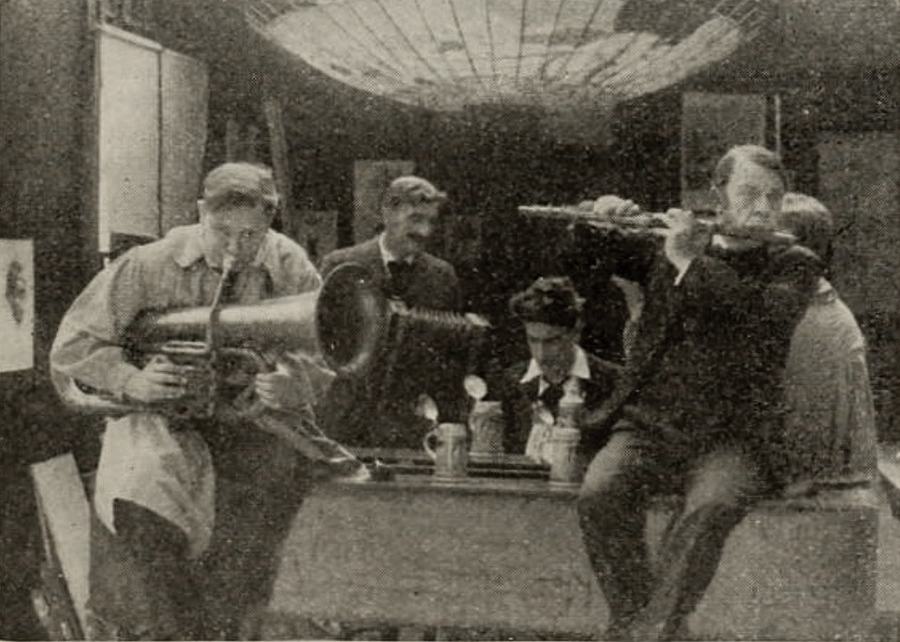
Margaret's character arc is particularly compelling when viewed through the lens of early 20th-century female protagonists. Unlike many damsels in distress, Margaret possesses an inner strength that allows her to confront her feelings and, eventually, her reality. Her agency, though constrained by the era's social norms, shines through. This quiet resilience makes her a memorable figure, demonstrating that even within the confines of a love triangle, a woman's emotional journey can be rich with self-discovery and quiet defiance. Her struggle resonates with the intense emotional conflicts seen in films like Marta of the Lowlands, where female characters often navigate tumultuous personal landscapes with a fierce inner resolve.
Camille D'Arcy's Alice Travers serves as the catalyst for Peyton’s internal crisis. Her presence is a potent reminder of a past that promised a different life, a conventional romance that, for reasons left somewhat to the imagination, never fully materialized. D'Arcy imbues Alice with a sophisticated allure, a woman who embodies the kind of relationship society would deem appropriate for Peyton. Her return isn't malicious, but rather an innocent re-entry that inadvertently throws Peyton's world into disarray. The tension between Alice and Margaret, though often unspoken, is palpable, a battle of past versus present, societal expectation versus unconventional love. D'Arcy's performance is crucial in providing a credible counterpoint to Margaret's earnest affection, making Peyton’s choice all the more agonizingly real.
Beyond the central trio, the film benefits immensely from a robust supporting cast who flesh out the world of The Prince Chap. Charles K. Gerrard, Fannie Cohen, Margaret Fawcett, George Fawcett, Bessie Eyton, and Cecil Holland each contribute to the film’s rich texture, providing the societal backdrop against which the main drama unfolds. George and Margaret Fawcett, in particular, often played roles that anchored silent dramas with a sense of grounded realism, and their presence here likely provides a moral or social compass, reflecting the conventional wisdom of the time. These characters, though perhaps not central to the emotional maelstrom, are vital in establishing the social fabric and the unspoken rules that govern the protagonists' choices, much like the ensemble cast in a complex social drama such as Bought and Paid For, where societal pressures are intricately woven into personal narratives.
Marshall Neilan, pulling double duty as director and lead actor, orchestrates the film with a keen eye for visual storytelling. Silent cinema, by necessity, relied heavily on evocative imagery, subtle symbolism, and the expressive capabilities of its performers. Neilan understands this intrinsically, crafting scenes that are not merely functional but emotionally resonant. The use of close-ups to capture the nuances of a character's internal state, the deliberate pacing that allows moments of quiet introspection to breathe, and the thoughtful composition of shots all contribute to a powerful cinematic experience. The English settings, whether grand or intimate, are beautifully captured, providing a picturesque yet subtly restrictive backdrop for the unfolding drama.
The visual language of The Prince Chap is a testament to the sophistication of filmmaking in its early decades. Rather than merely documenting the plot, the cinematography, lighting, and set design actively participate in conveying mood and meaning. The contrast between light and shadow, for instance, might be employed to underscore Peyton's internal conflict, illuminating his moments of clarity while shrouding his indecision. This deliberate artistic choice ensures that the narrative is communicated not just through action, but through an immersive visual tapestry, a characteristic often shared with other thoughtful dramas of the era, where atmosphere played a pivotal role in storytelling.
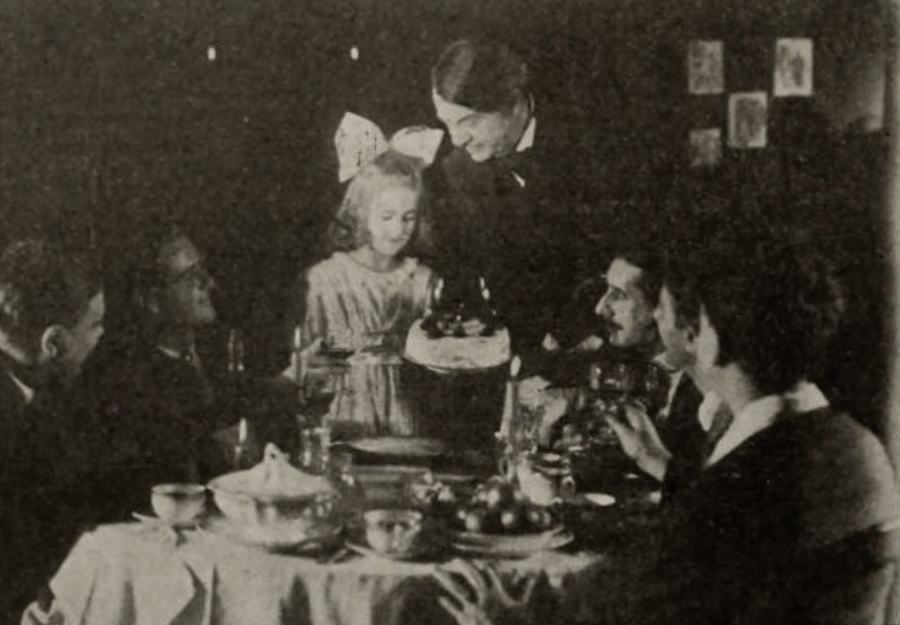
The strength of The Prince Chap also lies in its well-structured narrative, adapted from a play by Edward Peple and brought to the screen by writers Edward Peple and Gilson Willets. The screenplay masterfully translates the theatrical origins into a cinematic experience, maintaining the emotional intensity and character depth while adapting to the visual medium. The dialogue, though absent audibly, is implicitly rich, communicated through intertitles and, more importantly, through the actors' compelling performances. The writers craft a story that avoids easy answers, instead delving into the moral ambiguities that make human relationships so fascinating. Their ability to construct a plot that feels both intimate and universal is a significant factor in the film's enduring appeal. The thematic depth, much like in a compelling moral drama such as The Two Edged Sword, relies on a narrative that thoughtfully explores the complexities of human ethics and personal sacrifice.
Watching The Prince Chap today offers a fascinating window into the social mores and anxieties of the early 20th century. The film subtly critiques the rigidity of societal expectations regarding love, family, and appropriate relationships. The very premise—an adopted daughter falling in love with her guardian—would have challenged conventional morality, yet the film handles it with a sympathetic lens, inviting the audience to consider the validity of love in all its forms. This willingness to explore unconventional emotional landscapes, while still ultimately resolving within the bounds of what was acceptable for the era, speaks to a nascent cinematic bravery.
The concept of duty versus personal desire is a recurring motif not just in this film, but across many dramas of the period. We see echoes of this struggle in other films that explore the sacrifices demanded by love or circumstance, such as The White Sister, where a woman’s devotion leads her to a life of spiritual service, or even, in a different vein, the challenges of upbringing and social standing found in stories like Little Lord Fauntleroy, though the emotional stakes are vastly different. The Prince Chap, however, grounds these grand themes in the intimate, poignant struggle of one man's heart, making it relatable across generations.
Ultimately, The Prince Chap is more than just a historical curiosity; it is a compelling piece of cinematic artistry that speaks to universal human experiences. Its careful character development, emotionally charged performances, and thoughtful direction combine to create a drama that feels remarkably contemporary in its psychological depth. The film reminds us that the complexities of the human heart, the difficult choices between past loves and present affections, and the subtle dance of duty and desire are timeless themes that transcend the limitations of spoken dialogue or technological advancement.
For enthusiasts of silent film, or indeed anyone interested in the enduring power of dramatic storytelling, The Prince Chap offers a rich and rewarding experience. It is a testament to the skill of its creators and performers that a narrative from a century ago can still evoke such profound empathy and provoke such thoughtful contemplation on the nature of love and the human condition. It stands as a quiet, yet powerful, reminder that some stories, like true affection, simply refuse to fade with time.
IMDb 6.3
1934
Community
Log in to comment.