DbcultAccessing Vault...
5.9/10
Senior Film Conservator
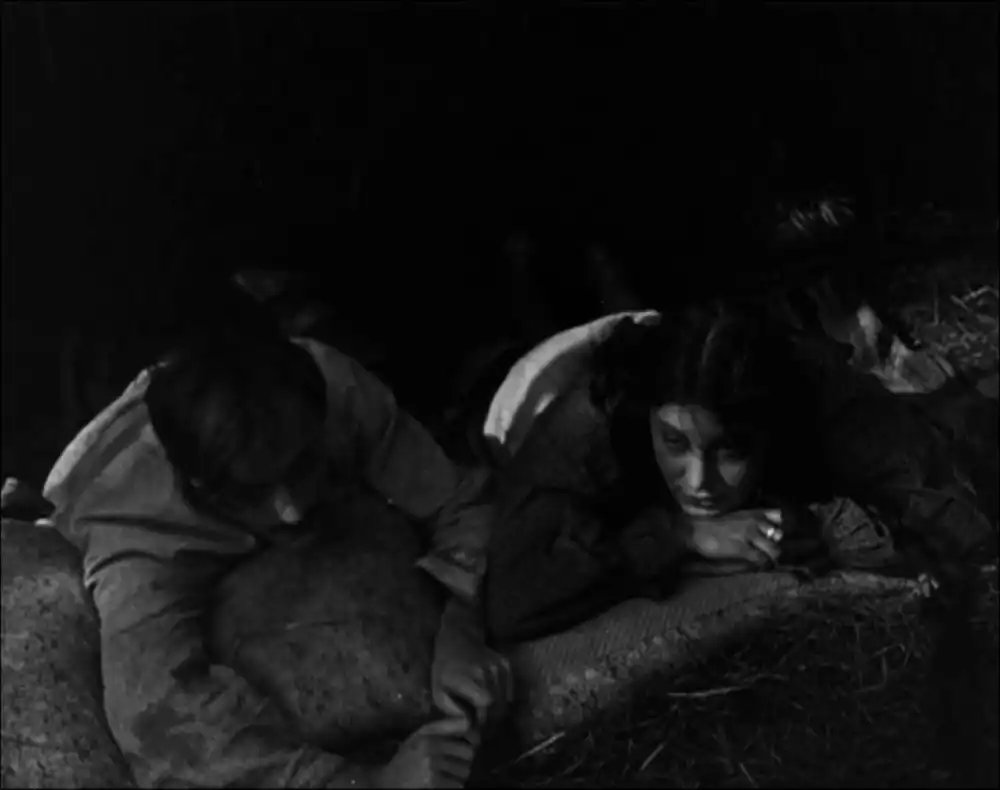
A definitive 5.9/10 rating for a film that redefined the boundaries of cult cinema. Krasavitza Kharita remains a cornerstone of transgressive art.
You should only watch Krasavitza Kharita if you are the kind of person who likes digging through archives or has a weird obsession with how people in 1918 decorated their living rooms. Most people are going to find this incredibly slow and probably a bit confusing because the print quality is so grainy. But if you’re a film nerd who wants to see the early days of Russian melodrama before everything changed, it’s worth a look for the vibe alone.
It’s definitely not for you if you need things like 'pacing' or 'dialogue that isn't on a card every five minutes.' You’ll probably hate it if you aren't already into silent cinema.
The plot is pretty simple, even if the title cards try to make it sound like a grand tragedy. There is a lot of looking out of windows and sighing deeply while holding a lace handkerchief. It’s that specific kind of gloom you only get from this era of filmmaking.
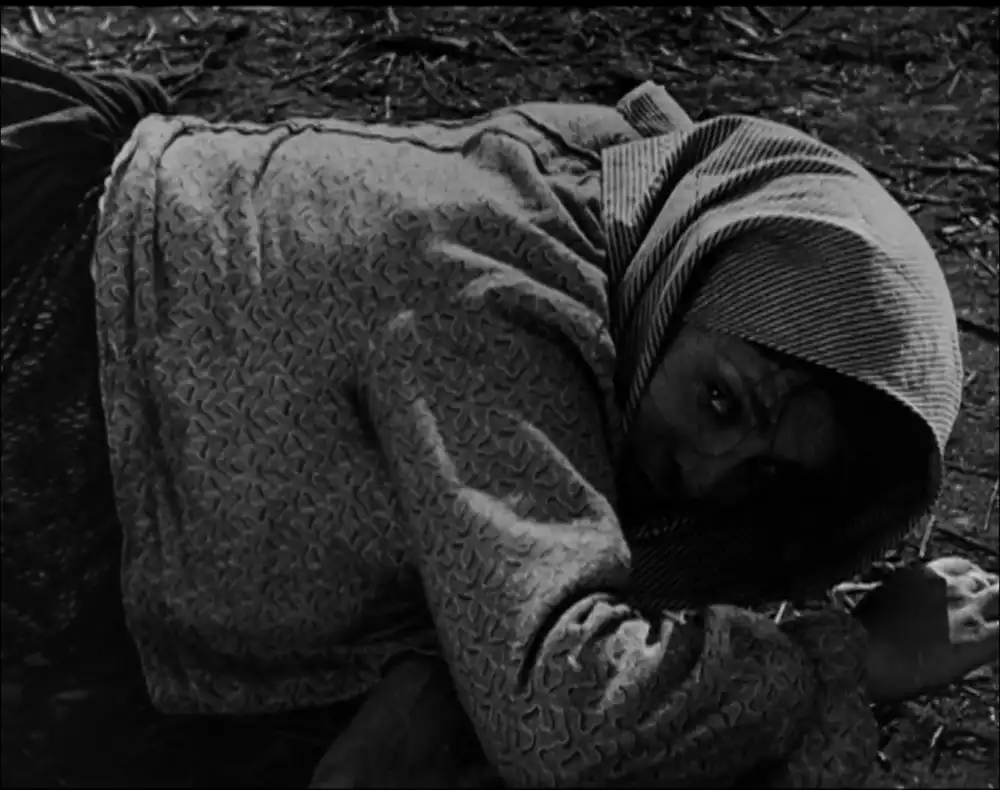
I noticed that N. Sokolova has this way of tilting her head that makes her look like she’s constantly listening for a distant train or maybe a ghost. It’s actually kind of mesmerizing if you stop trying to follow the story and just watch her face. Her eyes catch the light in a way that feels intentional, but also a bit spooky.
The sets are heavy and feel very real. Everything looks like it weighs a ton—the velvet curtains, the massive wooden chairs, and even the hats the women wear. It’s a very solid world, which is funny because the film itself feels so fragile and flickery.
It reminded me a bit of the atmosphere in The Eternal Strife. Everyone in these movies seems to be carrying the weight of the entire world on their shoulders while trying to have a cup of tea.
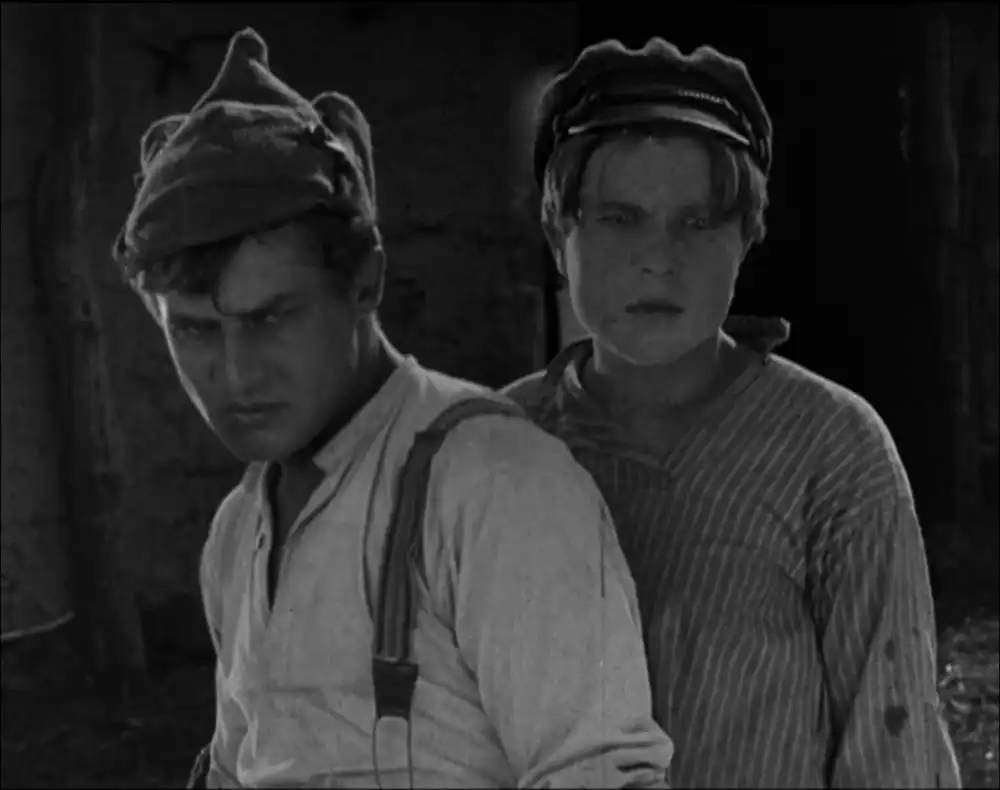
There is a scene where Oksana Podlesnaya enters a room and just stands there for what feels like a full minute. Nobody moves. I actually thought my player had frozen, but then she blinked. It’s a bold choice to just let the camera run on a person doing nothing.
I found myself looking at the wallpaper more than the actors in a few scenes. The patterns are so busy and intricate that they almost vibrate on the screen. It makes the rooms feel very crowded even when there’s only one person in them.
The writing by Ippolit Sokolov and Lev Sheffer is... well, it’s dramatic. The title cards are doing a lot of the heavy lifting for the emotions. Sometimes they are so flowery they don't even make sense, talking about the 'wilting lilies of the soul' instead of just saying someone is sad.
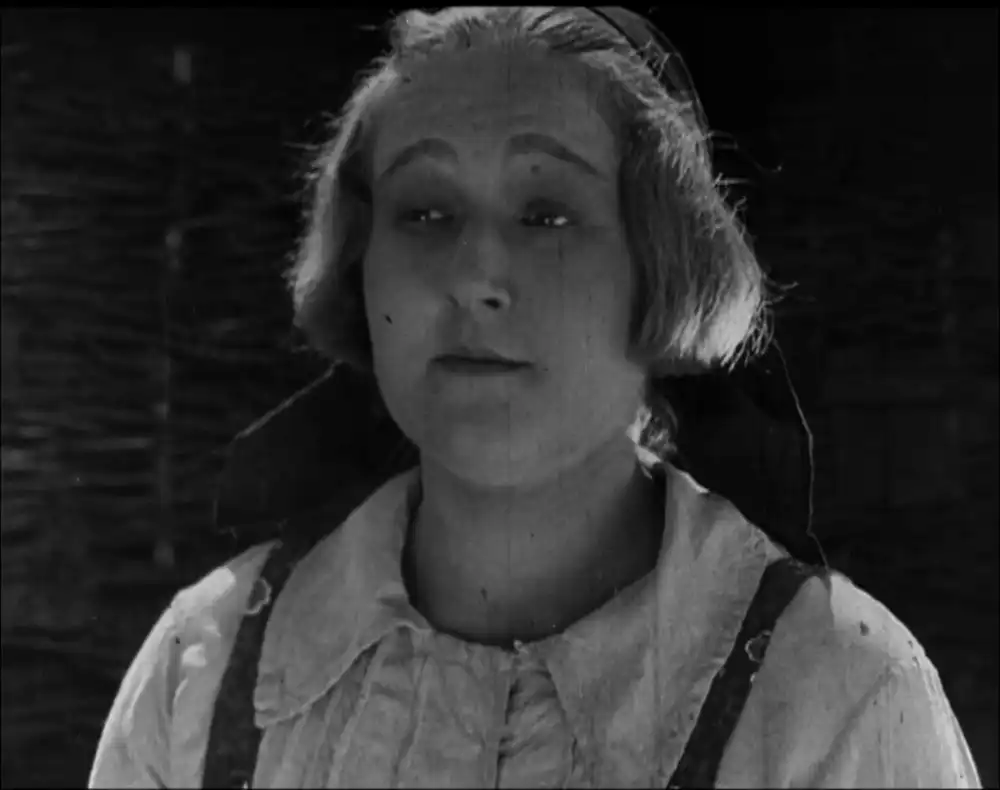
Compared to something like The Little 'Fraid Lady, this movie feels much more grounded in that old-school Russian misery. It’s not exactly a 'fun' watch, but it has a soul to it.
I wonder if the actors were actually cold on set. You can almost see the chill in the way they hold their shoulders tight and wrap their coats around themselves. It adds a layer of realism that I don't think was even supposed to be there.
There is one guy, A. Otradin, who has the most incredible mustache I’ve seen in a silent film. It is perfectly curled and seems to have its own personality. Every time he showed up, I stopped reading the cards and just stared at his face. It was very distracting in a good way.
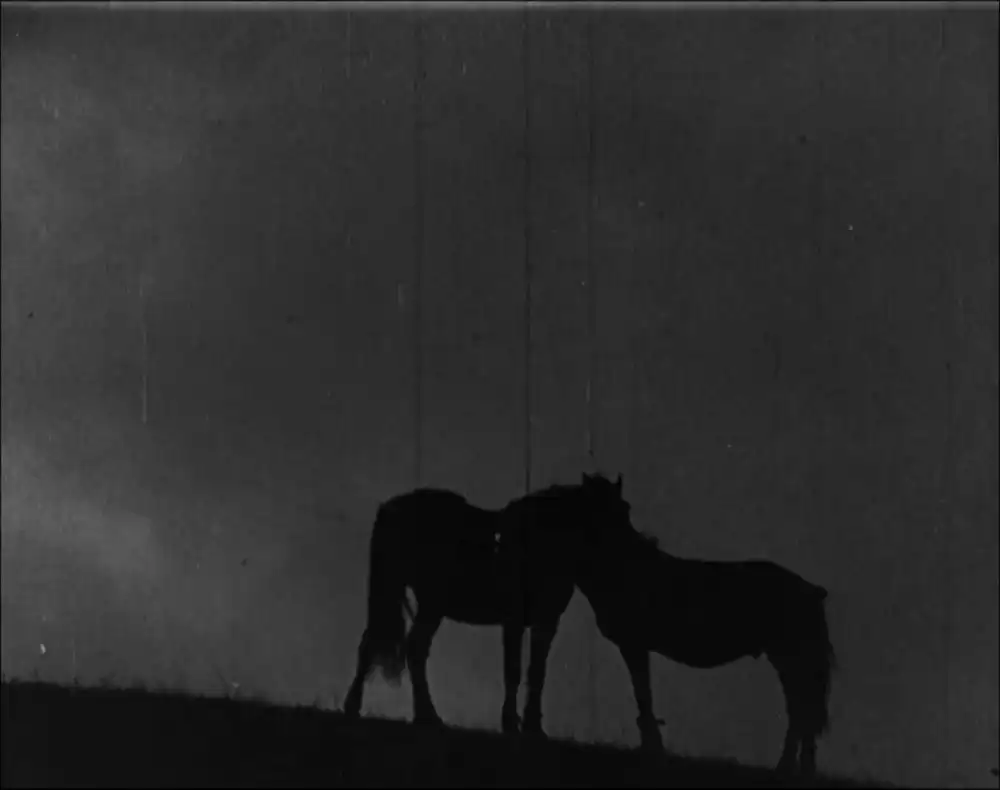
The lighting is pretty basic throughout. It’s mostly just 'bright' or 'shadow,' with not much in between to help the mood. This makes the actors' faces look like white masks sometimes, which is a bit unsettling if you’re watching it late at night alone.
I really liked the costumes, though. Sokolova wears this one dress that looks like it’s made of about a thousand beads and spiderwebs. She walks like she’s afraid she might snap in half if she moves too fast. It’s very elegant but looks incredibly uncomfortable.
If you’ve seen White Slippers, you know how these dramas usually go down. Someone loves someone they shouldn't, someone else gets angry, and everyone ends up looking very, very tired by the end. Krasavitza Kharita doesn't really break any new ground here, it just follows the rules of 1918.
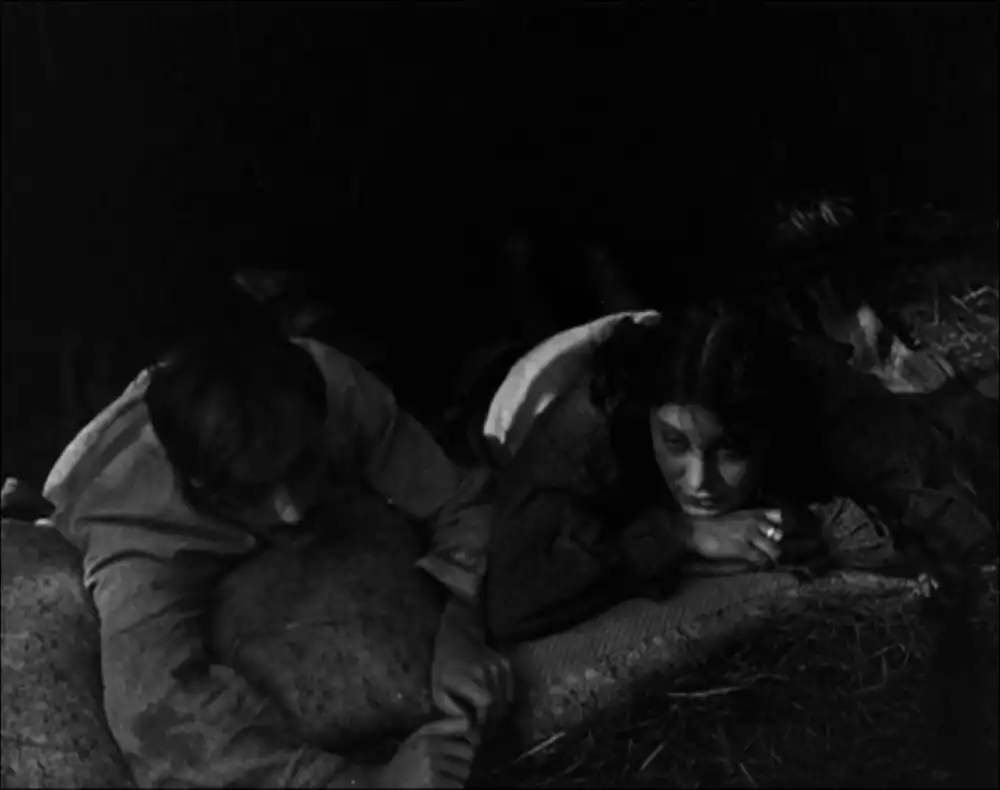
Is it a masterpiece? I don't think so. But it’s a weird little window into a world that doesn’t exist anymore. I caught myself checking my phone during a particularly long sequence involving a letter. Why does it take them so long to read a single piece of paper? ✉️
They look at the envelope. They look at the stamp. They look at the ceiling for divine intervention. Just open the thing already! But I guess that’s just the charm of these old flicks.
They had all the time in the world back then, or at least the movies acted like they did. If you need something with a bit more pep, you should probably go watch It's a Great Life instead. That one actually moves at a decent pace.
This movie is more like a long, slow exhale. It’s pretty, in a tragic sort of way, and it feels very personal despite the grand language of the title cards. I liked the ending, mostly because it felt like they finally let the characters rest.
The version I saw had a piano score that was way too loud. It didn't really match the quietness of the scenes on screen. It’s funny how a bad score can really mess with a silent film’s vibe. You’re trying to feel the 'beauty' and the piano is just slamming away like it's a chase scene.
Anyway, it's a short watch if you can actually find it. Just don't expect it to change your life. It’s just a mood. A very specific, very old, very Russian mood that I'm glad I experienced once.
I probably won't watch it again, but I'll definitely remember that mustache. It was truly a work of art. 👨🏻𝦅
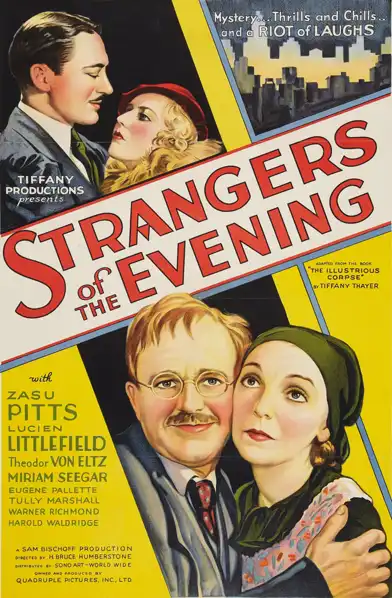
IMDb 5
1932
Community
Log in to comment.